Extreme Heat Warnings and Potential New Heatwave
Last week, extreme heat warnings were issued across England and Wales as temperatures reached record-breaking highs. Although temperatures have since dropped from those peaks, indications suggest another heatwave may be developing as July commences.
Some weather forecasts predict that temperatures could rise again to the low to mid-30s Celsius in England and Wales next week. However, there remains uncertainty regarding the severity of the heat.
"Although a return to heatwave conditions is looking increasingly likely for some areas, the likelihood of such extreme high temperatures or high levels of humidity as last week is currently low," Met Office deputy chief forecaster Tony Wisson said.
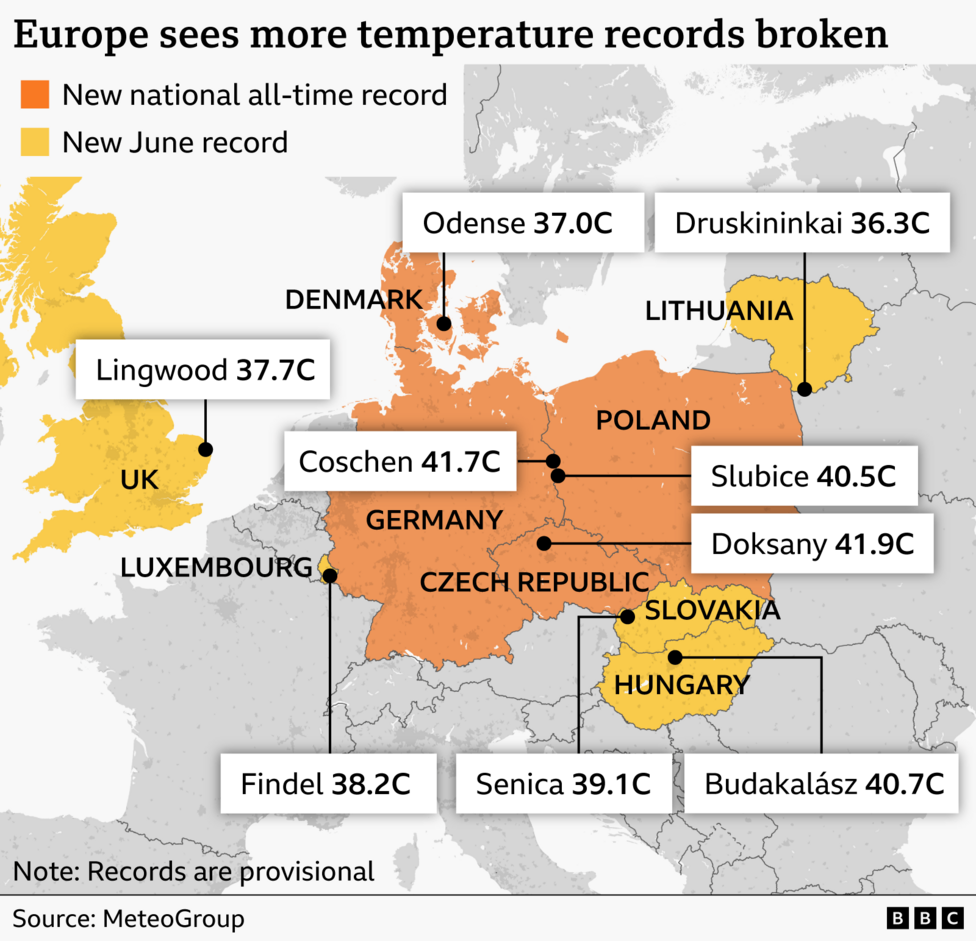
A provisional new UK heat record for June was set at 37.7°C (99.9°F) in Lingwood, Norfolk, on Friday, surpassing the previous June record of 35.6°C recorded in 1957 and equalled in 1976.
National temperature records were also broken in at least eight European countries during the past week, with red extreme heat warnings still active across eastern Europe.
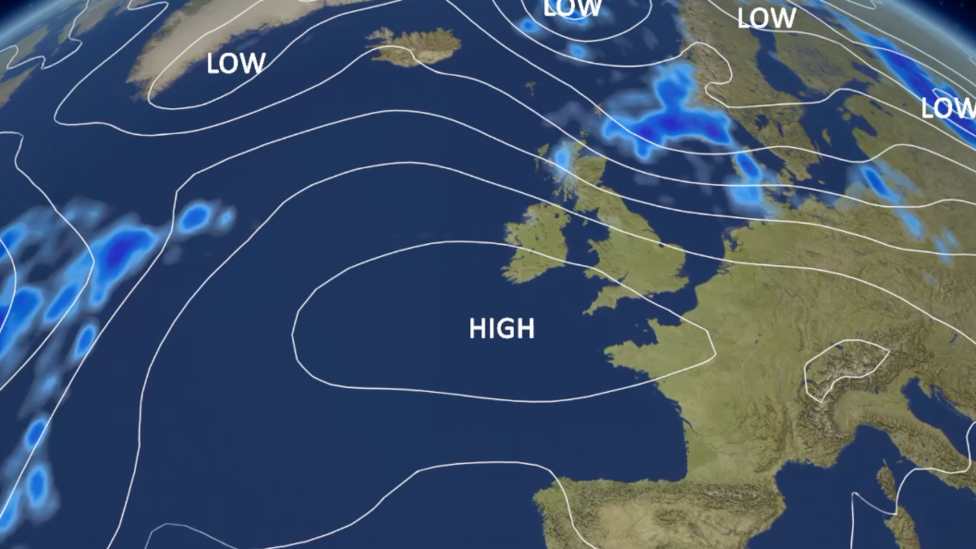
High pressure is expected to move in from the south-west later this week, which will bring warmer weather once again.
Summer Outlook
As July begins, the UK enters the hottest month of summer in terms of average maximum temperature. Forecasters from the Met Office and BBC Weather's data supplier released their summer outlook on 1 June, indicating an "increased chance of heatwaves and heat-related impacts."
Above-average temperatures are anticipated in July and August, with "significant bursts" of heat expected across the UK and Europe.
High pressure will gradually move from the south-west across western Europe and into England and Wales by the end of this week.
Temperatures could rise into the mid to high 20s Celsius across the Midlands, eastern, and south-east England. Into next week, temperatures may increase more widely across England and Wales, potentially reaching official heatwave status.
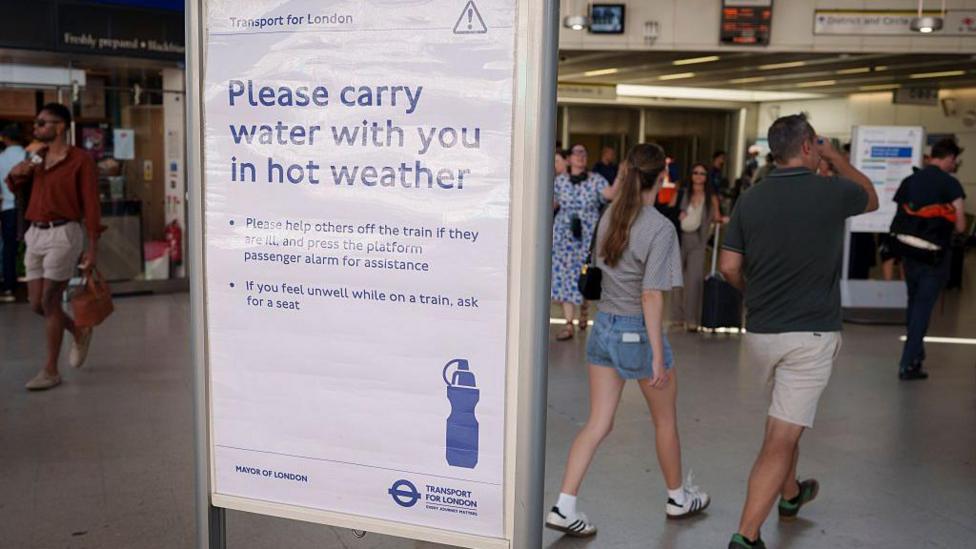
It remains too early to determine how hot temperatures might become or whether extreme heat warnings and impacts similar to last week's record heatwave will recur.
Forecasters utilize various weather models that provide a range of forecast temperatures, updated approximately twice daily. This approach helps assess uncertainties and the likelihood of specific temperature outcomes rather than relying on a single forecast.
European Records
Several European countries, including the Czech Republic, Germany, Poland, and Denmark, recorded their hottest days on record during the past week.
The World Health Organization has linked more than 1,300 excess deaths since 21 June to the heatwave, with around 1,000 of these occurring in France, where numerous local June and all-time temperature records were broken.
The total number of deaths is expected to rise as data and reports from all European countries are compiled.
National all-time and June temperature records have been broken across Europe over the last week.
The extensive high-pressure system responsible for the intense heatwave, also known as a "heat dome," has shifted eastward across Europe.
Red extreme heat warnings remain in place across Poland, Slovakia, Romania, Serbia, and Croatia, where temperatures are forecast to reach the high 30s Celsius.
Temperatures are widely expected to be 8 to 12°C above average for the end of June.
In western Europe and the UK, temperatures are likely to remain above average this week for some areas, but the extreme heat experienced last week is not expected to return.
Gradually, eastern Europe is expected to experience relief as temperatures decrease throughout the upcoming week.
Stay informed with the latest local forecasts.
Get in Touch
How did you cope during the recent heatwave? How did you adjust your daily routine?
Boiling Point: The Week of Extreme Heat
The final week of June 2026 saw record-breaking temperatures across parts of the UK and Europe. While many enjoyed the sunshine, the heat caused disruptions to trains, schools, and emergency services.
- Are we in for a summer of serial heatwaves?
- Are 'heat spikes' becoming more common?
- Has the British summer changed beyond recognition?