Ukrainian refugees living in the UK face potential homelessness after the government announced a dramatic reduction in financial support for their hosts, cutting monthly "thank you" payments from £350 to £100 starting in January 2027. The decision also slashes local authority funding by 44%, reducing per-arrival contributions from £5,900 to £3,300. The changes affect the Homes for Ukraine scheme, which has provided accommodation for 181,000 of the 234,000 Ukrainians who have sought refuge in Britain since Russia's invasion in February 2022.
The Ministry of Housing, Communities and Local Government announced the cuts in a written statement on 15 September 2026. According to the official parliamentary statement, the £350 monthly host payment will continue only until 31 December 2026, after which the reduced rate takes effect. The government has also confirmed that unaccompanied minors will remain on current funding levels, and hosts supporting refugees on the Ukraine Permission Extension visa will receive reimbursement at £100 per month for a maximum of 18 months.
Why are hosts and refugees worried?
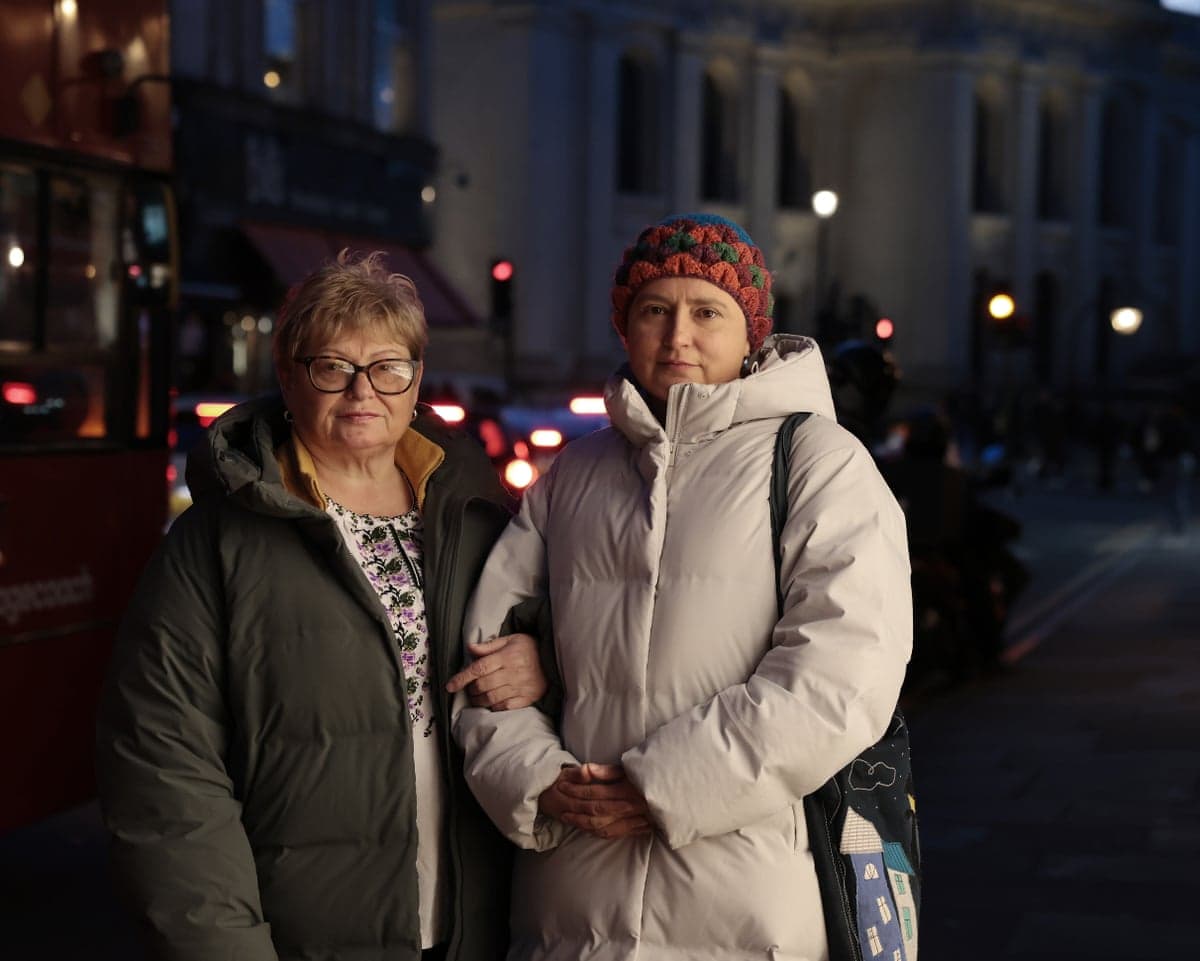
Hosts and refugees fear the funding cuts will force accommodation arrangements to end, leaving vulnerable people without shelter. Tetiana, a 73-year-old Ukrainian refugee who has been hosted for two years and four months, expressed devastation at the announcement. She said:
"I feel that this financial change could impact on my host's ability to host me. If the hosting comes to an end, I don't know where I will go and how I can start again. I can't work because of my age and because I have mobility problems. I fled from Kharkiv, which is close to the Russia frontline, so I can't go back to Ukraine. I don't know what I will do. I'm at a loss about what my options will be. This change has created a lot of uncertainty for me. I don't know how I would be able to pay rent if hosting finishes for me."
A host in Greenwich, who has been sponsoring a refugee since May 2022, expressed similar concerns about the scheme's future. He said:
"I was dismayed to learn that thank you payments are reducing to just £100. I lost my job within months of becoming a sponsor and these payments have become an absolute lifeline even though I did not volunteer for this scheme for the money. I genuinely worry about the consequences of this change for Ukrainians in the UK."
Nataliya Rumyantseva, who is hosting her mother—the first Ukrainian to arrive in the UK after the war began—warned that the changes could have severe consequences. She said:
"When refugees arrive here from Ukraine, they are shellshocked and need time to adapt and learn the language. If hosting changes to become a more commercial rental arrangement, I think that's cruel."
What alternatives is the government proposing?
The government has suggested that hosts can transition to landlord status and charge refugees rent, effectively converting the voluntary sponsorship scheme into a commercial arrangement. A host in Cardiff, who is supporting a Ukrainian enrolled on a course of study, rejected this option as inadequate. He said:
"The situation feels like a cheap shot from the government. We, in good faith, opened our home to someone in need. That person, in good faith, planned for a life in the UK. And the government, in what seems like very bad faith, saw an easy way to claw money back from people who aren't in a position to stop them."

According to the updated GOV.UK guidance for sponsors, hosts must be willing to provide accommodation for at least six months and cannot charge rent under the current scheme rules. The proposal to shift hosts into a landlord role would fundamentally alter the nature of the programme from a community-led sponsorship model into a rental arrangement.
What is the broader context for refugee support in the UK?
The funding cuts come amid growing pressure on local authorities managing refugee housing costs. In September 2026, Glasgow's next council leader called for government action on refugee homelessness expenses, which are projected to reach £74 million by 2027-28, with almost 43% of recent homelessness applications coming from refugees or those with leave to remain. The government has also introduced other cost-recovery measures: it plans to require refugees to repay £10,000 for asylum support once they begin earning, according to new asylum rules announced in June 2026.
The Homes for Ukraine scheme was launched in March 2022 as an emergency response to Russia's invasion, using a community-led sponsorship model that enabled UK residents to offer accommodation directly. The scheme has been a significant component of Britain's humanitarian response, supporting more than 181,000 refugees. The government stated it has invested more than £1.81 billion in the programme overall.
What does the government say about the changes?
An MHCLG spokesperson defended the decision, stating:
"The UK's commitment to supporting Ukrainians is unwavering and the Homes for Ukraine scheme remains open. As the scheme has evolved from an initial emergency response into a more established programme, these changes are designed to secure the scheme's long-term future while maintaining support for sponsors, guests and councils."
The government has also confirmed that local authorities will continue to receive multi-year tariff funding for eligible minors at £10,500 in the first year and £6,100 in subsequent years, providing some continued support for younger refugees.
What happens next?
The new funding arrangements take effect on 1 January 2027. Hosts currently receiving £350 monthly will see payments drop to £100 from that date unless they transition to landlord status. Local authorities will experience a significant reduction in per-arrival funding, potentially affecting their ability to provide support services. The changes will apply to all new arrangements and existing sponsorships unless hosts choose to become commercial landlords, a transition that many current sponsors say they cannot afford to make.
Key Facts
- Monthly host payments fall from £350 to £100 from 1 January 2027, a 71% reduction
- Local authority funding per arrival drops from £5,900 to £3,300, a 44% cut
- The scheme has supported 181,000 of 234,000 Ukrainian refugees in the UK since February 2022
- Unaccompanied minors will retain current funding levels under the new rules
- Hosts can convert to landlord status and charge rent, but current scheme rules prohibit this arrangement