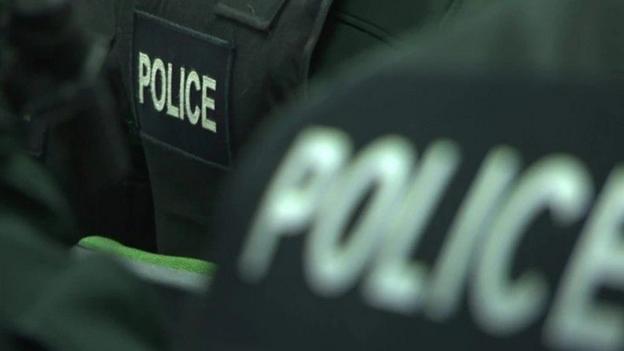
Two male Police Service of Northern Ireland (PSNI) officers have been dismissed after an investigation found they recorded videos and photographs of 18 vulnerable people they had been dispatched to assist. According to BBC News, the officers captured images of elderly, intoxicated and at-risk individuals between 2016 and 2021, with some footage shared on WhatsApp alongside sexualised and demeaning commentary. Police Ombudsman Jacqui Durkin characterised their conduct as "utterly despicable" and said it had seriously damaged public confidence in policing.
The investigation began in 2021 when Officer A was accused of initiating a sexual relationship with a woman he encountered during his duties. When his home and workplace were searched and electronic devices examined, officers discovered a far broader pattern of abuse. One particularly disturbing case involved a woman with learning difficulties who was filmed in her bed and questioned about her sex life when officers visited her home following a welfare concern report. The Irish News reported that this woman later took her own life.
Officer A had recorded videos and photographs of individuals who had requested police assistance, reported crimes, were intoxicated or were considered at risk of self-harm. The recordings took place across multiple settings: inside people's homes, in hospitals and within police vehicles. Five videos on Officer A's phone showed an elderly and apparently vulnerable man filmed in his home and from a police car, with the officer making mocking comments about the man's living conditions and sex life. Two additional videos captured women involved in a neighbour dispute, one of whom was intoxicated. Officer B photographed two vulnerable women and shared the images with Officer A along with messages containing derogatory language about them.
Some of the material was shared beyond the police service. Officer A distributed a series of messages to a member of the public that revealed confidential details of police enquiries, demonstrating what Durkin described as "scant regard" for the sensitivity of the information involved.
What did the Ombudsman find?
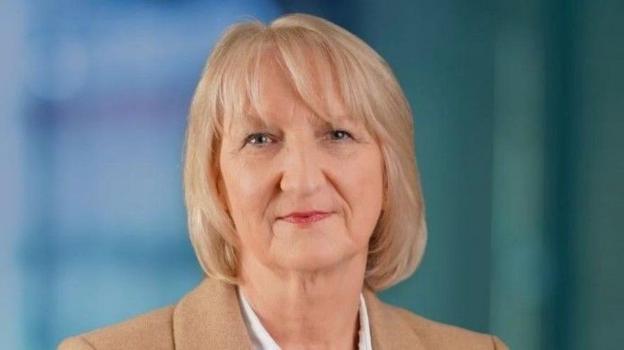
Durkin stated that almost all of the people affected by the officers' actions were vulnerable, with some extremely so.
"These now former officers showed no respect for people's privacy or dignity at their time of need and seriously undermined their trust and confidence in policing. One also shared a series of messages with a member of the public, showing scant regard for the confidentiality of police enquiries. They were unworthy of the role of police officer and it is only right that they have been dismissed from the PSNI."
The Ombudsman submitted files to the Public Prosecution Service (PPS) concerning potential misconduct in public office by Officer A and potential data protection offences by both officers. However, the PPS directed that neither should face prosecution. According to the Derry Journal, the PPS cited insufficient evidence to provide a reasonable prospect of conviction, and noted that potential Communications Act offences were time-barred due to the length of time that had elapsed.
The Ombudsman's investigation also uncovered a broader institutional problem. The Derry Journal reported that 74 officers, including Officer A, had accessed police body-worn video without a legitimate reason, and the PSNI took management action against all 74.
What action was taken against the officers?
Officers A and B were both dismissed from the PSNI following the investigation. Officer C, who had received a clip of a vulnerable person from Officer A and sent it back, received a final written warning. Officer D, who was present when Officer A recorded a video but stated they were unaware of the recording, faced no action.
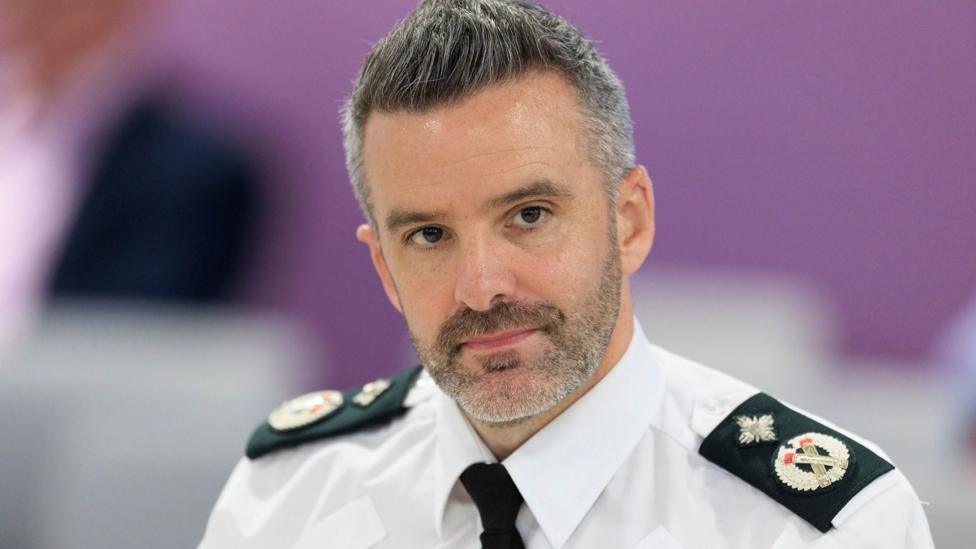
Deputy Chief Constable Bobby Singleton said the conduct fell far below acceptable standards.
"The behaviour described by the ombudsman falls far below the standards the public is entitled to expect from police officers. It represented a serious breach of trust, particularly affecting people who were entitled to care, compassion and professional support at times of acute vulnerability."Singleton added that the force was sorry that individuals who sought police assistance had been let down in this way.
How have political leaders responded?
Justice Minister Naomi Long told BBC Radio Ulster's Nolan Show that she "felt angry and let down and disappointed" by the officers' actions.
"To humiliate and degrade individuals who are vulnerable and in need of support is just indefensible and despicable."Long welcomed the dismissals, stating that the officers were not fit to serve as PSNI officers and had brought the force into disrepute.
The minister expressed concern about the impact such cases have on public confidence in policing. She acknowledged that the timeline of events—spanning from 2016 to 2021—had made prosecution challenging for the PPS, but emphasised that the most important outcome was that the officers were no longer serving in the police.
Long also condemned the conduct more broadly, describing it as "abhorrent, wholly unacceptable and completely indefensible."
"There is no place in our police service for officers who behave in this way. It does not represent the bravery, decency and compassion that the majority of police officers display in their jobs."
Policing Board vice-chair Mukesh Sharma described the officers' conduct as "shameful and disgusting."
"These officers showed a callous disregard to people at their most vulnerable and breached the trust placed in them from those seeking help. Their actions are the antithesis of the professionalism that we rightly expect from police officers serving the community."
What did the Public Prosecution Service say?
In a statement, the PPS said that the decision not to prosecute was made on the basis that "there was insufficient evidence to provide a reasonable prospect of conviction." The service noted that proceedings for data protection offences were "already statute barred" due to the time elapsed between the alleged offences and when the PPS received the files. The PPS emphasised that while prosecutions were not pursued, this "does not diminish the gravity of the professional misconduct identified." The service encouraged anyone who has experienced criminal or professional misconduct to report their concerns.
Key Facts
- Officers A and B recorded videos and photographs of 18 vulnerable people between 2016 and 2021, including a woman with learning difficulties filmed in her bed and questioned about her sex life.
- Some material was shared on WhatsApp with derogatory and sexualised commentary, and Officer A shared confidential police information with a member of the public.
- The investigation began following an allegation that Officer A had abused his position by forming a sexual relationship with a woman he met during his duties.
- Both officers were dismissed; Officer C received a final written warning and Officer D faced no action.
- The Public Prosecution Service declined to prosecute, citing insufficient evidence and time-barred offences, though it acknowledged the gravity of the professional misconduct.