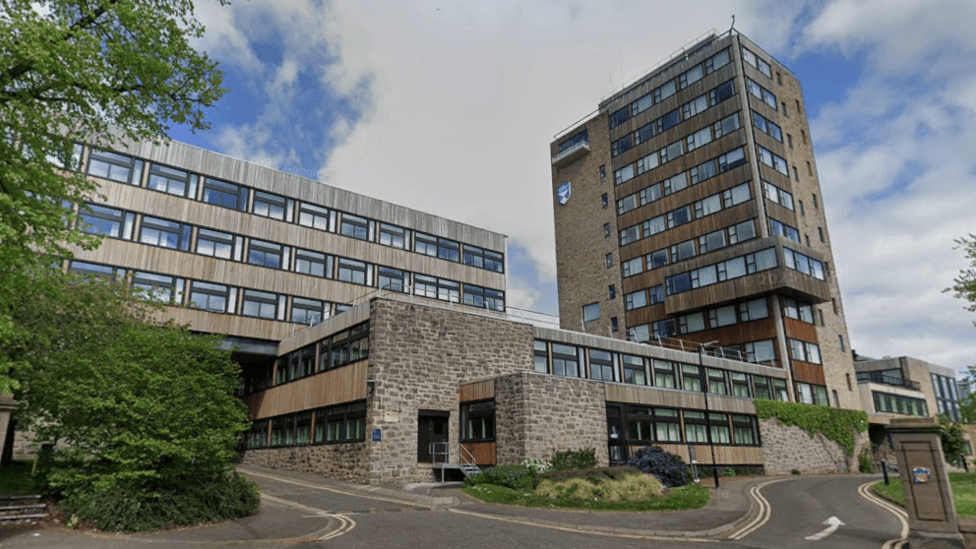
Dundee University has concluded a protracted dispute with the University and College Union (UCU) over compulsory redundancies, reaching an agreement that prioritises voluntary departures and suspends industrial action through the end of 2024.
According to BBC News, the union has suspended all strike action related to the dispute following the accord, which was approved by the university's governing body on Tuesday. The institution had announced in June that it required a further £20m in cost reductions.
The two-year dispute originated when the university disclosed a £30m deficit. Since then, 675 staff members have departed through voluntary redundancy schemes, while the institution has received £40m in emergency funding from the Scottish government and £22m from the Scottish Funding Council. According to Scottish News, the UCU calculated total job losses at more than 800 when accounting for departures beyond the 675 voluntary redundancies.
What does the agreement include?
The accord establishes a final enhanced voluntary redundancy scheme (VR2) and commits the university to avoiding compulsory redundancies "wherever possible." The union has agreed to withdraw judicial review proceedings relating to previous decisions by the governing body and associated governance matters.
Under the VR2 scheme, eligible staff in at-risk groups will receive terms aligned with academic compulsory redundancy arrangements. The proposal includes a 12-month notice period and statutory redundancy pay, but participants would work six months of notice and receive the remaining six months as a payment in lieu of notice (PILON), enabling earlier departure while maintaining parity with previous voluntary redundancy arrangements.
Following the latest round of cuts announced in June, which initially proposed 187 job losses, the figure fell to 154 by August. According to BBC News reporting, 149 staff had applied for voluntary redundancy after these cuts were announced, with the university offering voluntary redundancy to 85 people and new positions to eight others. The university has also created 38 new roles that could provide redeployment opportunities to staff at risk.

What protections does the agreement provide?
The accord includes a moratorium on any further institution-wide voluntary or compulsory redundancy programmes until August 2028. The union retains the right to resume strike action if the university implements compulsory redundancies during this period.
In return, Dundee UCU has committed not to "initiate, support, endorse or pursue industrial action, including action short of a strike" relating to voluntary or compulsory redundancy programmes until August 2028. The union suspended industrial action for the remainder of 2024 as a result of the agreement, ending a five-week strike that concluded in September.
How did the dispute begin?
The conflict emerged two years ago when the university first announced its substantial deficit. The institution subsequently implemented multiple rounds of cost-cutting measures, with the union staging repeated strikes in opposition to compulsory redundancies. Interim principal Nigel Seaton had described Dundee as facing the worst financial crisis of any British higher-education institution since the Second World War.
New principal Angela Scott took office and paused steps toward compulsory redundancies to allow negotiations with the union. According to The Courier, Scott scheduled a meeting with union representatives for the week after her late-October interview, with any resolution requiring agreement from the union, its members and the university court. The Scottish Funding Council's emergency funding conditions included keeping the university's net cash balance below £30m; the university's finance chief reported its end-August balance was nearly £80m, with less than £13m available for discretionary spending.
What comes next?
Both parties characterised the new agreement as "an important step" towards concluding the "current organisational change programme." They stated it would establish a basis for "greater certainty, stability, and constructive engagement across the university community."
The university will conduct an assessment of its financial situation following the VR2 scheme's conclusion. According to The Courier, Scott indicated the university may submit a further emergency-funding bid after reviewing technical issues with the Scottish Funding Council. Both the union and university acknowledged that the past two years had been "exceptionally challenging for students and staff," while recognising a shared need for clarity about the future and renewed focus on delivering for students, supporting colleagues, and securing the institution's long-term success.