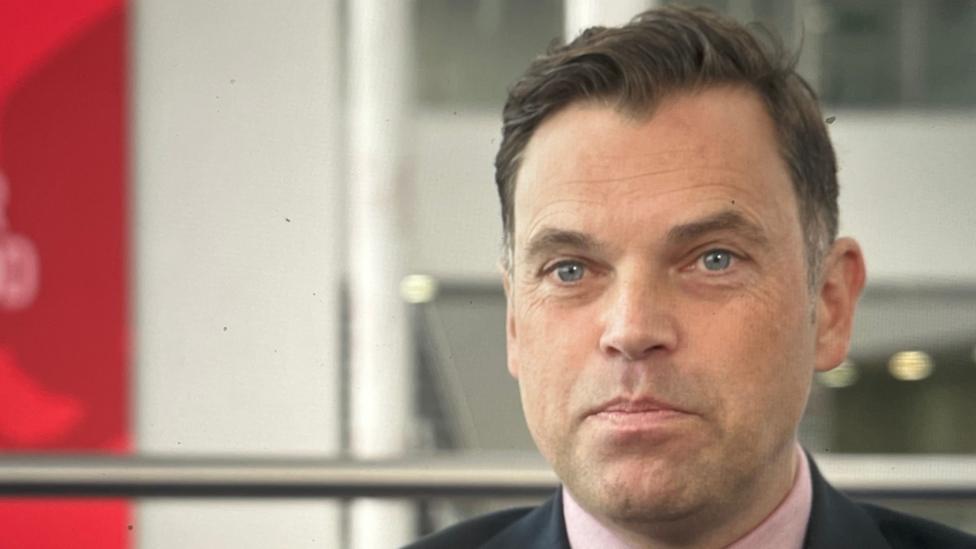
Ken Skates, who assumed leadership of Welsh Labour following the party's historic defeat in May, has acknowledged that the party lost its connection with previously loyal voters during the Senedd election. According to BBC News, officials will publish a comprehensive review of the election loss on Saturday as the party holds its first conference since entering opposition.
Speaking to BBC Wales, Skates described it as "absolutely obvious" that Labour needed to rediscover its purpose and reconnect with communities across Wales. The party's collapse was dramatic: it fell from 30 seats in the Welsh Parliament to just nine, ending 27 years of continuous control of the Welsh government. Plaid Cymru, which had long trailed Labour in electoral performance, secured the largest number of seats, enabling party leader Rhun ap Iorwerth to become first minister.
The scale of voter movement in the election was substantial. Senedd Research reported a turnout of 51.7%, the highest recorded for a Senedd general election, with Labour receiving 139,203 votes representing 11.08% of the vote. Analysis of the election results indicates that more than half of Welsh Election Study respondents reported changing their vote choice since the 2021 Senedd election, reflecting a significant realignment of the electorate.
What does the review reveal about Labour's defeat?
Skates said he could not disclose the specific findings of the review, conducted by Professor Anand Menon of King's College London, before the conference. However, he emphasised that the party remained aligned with voters' fundamental values.
"According to the review, it's absolutely obvious that we needed to rediscover our purpose,"he stated, adding that Labour needed to "strengthen" its "soul" and "reestablish that powerful contract between us as a movement in Welsh Labour and the people of Wales who share our values."
Skates stressed his commitment to an objective assessment of what went wrong.
"I was determined to ensure that this review is dispassionate, independent and objective,"he said.
"We don't have a version of the truth, we have the objective truth. And I would hope that no matter how tough it is, people will accept the findings and will be part of the movement that will build again."
A political analysis published on 11 November describes the election as a major break from Labour's long-standing dominance, with the new Senedd more fragmented and polarised. Polls from mid-2025 onward had consistently shown Labour's support falling, with the contest increasingly framed as a race between Plaid Cymru and Reform UK.
What are Skates' priorities as leader?
When asked what he stood for as leader, Skates outlined a vision centred on preventing disadvantage from limiting opportunity.
"My passion has always been quite fundamental that no young person should be left behind because of disadvantage when growing up, that every person in life should have the best opportunity to succeed."
Skates highlighted personal connections with Prime Minister Andy Burnham, noting shared influences and backgrounds.
"Catholic influences, strong community influence, we support the same football team, [we] went to the same university, we both enjoy running."Since Burnham became prime minister, he has lobbied the Welsh government to devolve more powers to Wales' regions, a policy that has drawn criticism from some former Welsh ministers. Lee Waters, a former transport minister, said the approach "just doesn't work" in a Welsh context.
What role will devolution play in Labour's recovery?
Skates said people in Wales were telling the party they wanted more powers distributed to their communities, not concentrated in Cardiff Bay.
"We want more powers to come to the Senedd, to Cardiff Bay, but we also want more powers out of Cardiff Bay in our communities,"he explained.
"That's what people want."He indicated that the review would clarify what Welsh voters most desired: greater power in their local communities.
The Plaid Welsh government has promised a green paper examining the powers of councils, with legislation possibly following the next election in 2030. This devolution debate reflects broader tensions within Welsh politics about how power should be distributed between national and local levels.
What happens next for Welsh Labour?
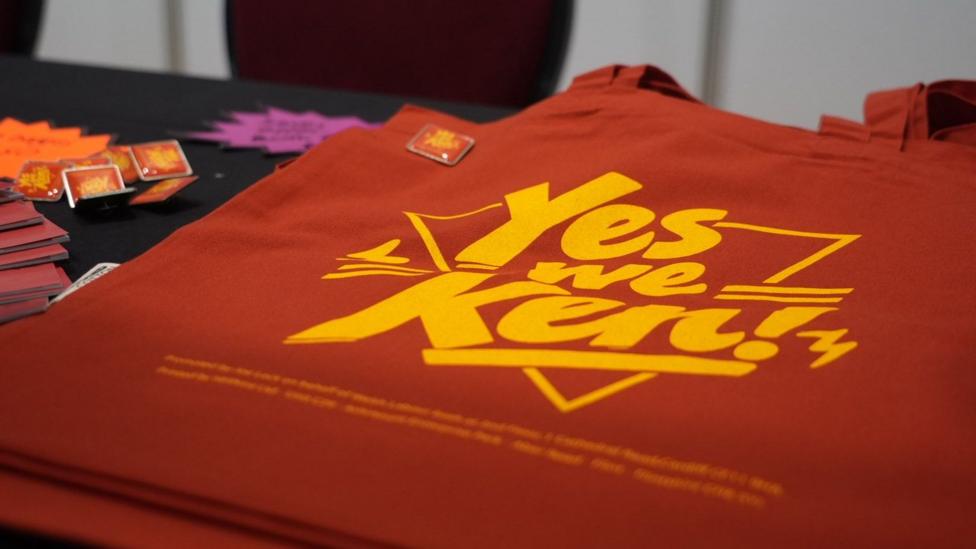
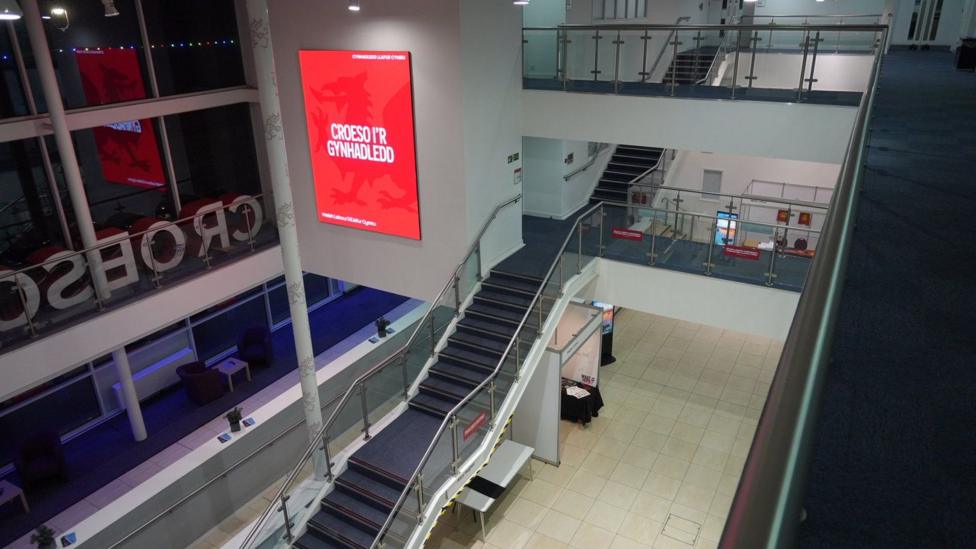
Welsh Labour is due to publish the election-defeat report at its conference on 13 November, with Skates expected to address the findings in his conference speech. The party is holding the conference in Llandudno at Venue Cymru, marking a significant moment as it charts its path forward from opposition. The review's publication and Skates' response will be closely watched as indicators of how the party intends to rebuild after its worst election result in over a century.