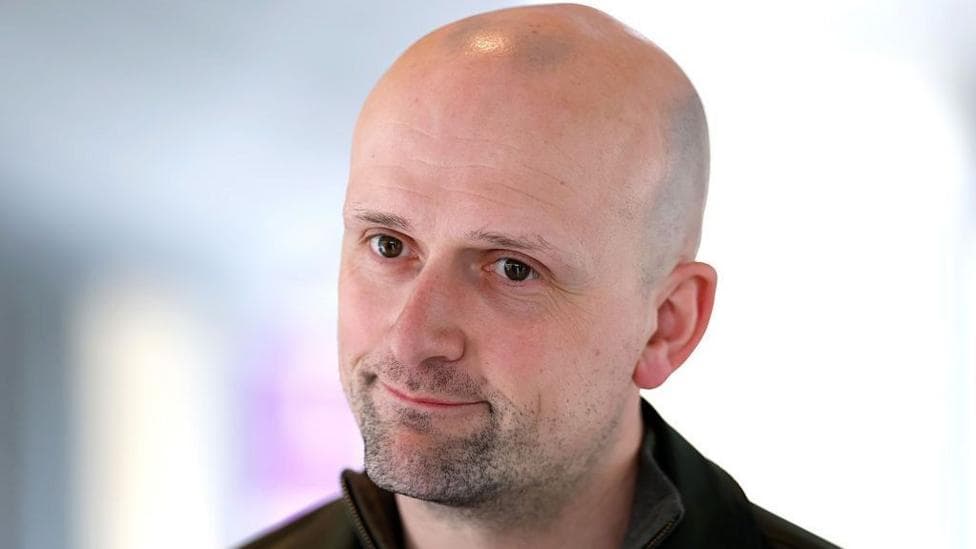
Transport Secretary Stephen Flynn told the Scottish Parliament's transport committee he had no prior knowledge of a serious methane gas leak aboard a CalMac ferry, yet official records reveal he received two emails about the incident in the hours before his appearance. The contradiction has prompted calls for an investigation into his conduct and raised fresh questions about his grip on his ministerial responsibilities.
A faulty valve caused approximately 700 kilograms of highly flammable methane to escape from the side of MV Glen Sannox while the vessel was transporting more than 80 passengers between Arran and Troon during the summer of 2025. Despite Flynn's assertion that he was unaware of the story, a briefing document obtained through a freedom of information request demonstrated that his office had been contacted about media coverage twice—at 08:48 and 09:04—before the committee hearing commenced at 09:15.
When questioned by transport committee convener Willie Rennie, Flynn claimed he had not seen BBC Scotland's coverage of the incident. He explained his absence of awareness by stating he had been video-calling his children rather than monitoring news bulletins that morning. However, the released briefing document showed that Flynn's office had received communications about the developing story, including suggested responses should the matter arise during questioning.
Transport Scotland subsequently issued a statement asserting that the draft media statement sent to Flynn's office "was not shared with him" and that a high-level media statement does not constitute formal briefing. The Scottish Government maintained that Flynn had not received a ministerial engagement briefing before the committee session, distinguishing between informal media alerts and official briefing documents.
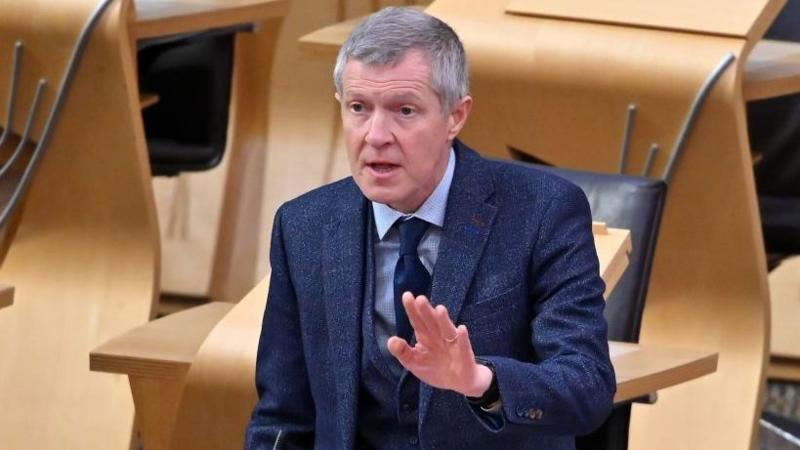
Transport committee convener Rennie responded sharply to the revelations, telling a national broadcaster that Flynn was "only making things worse for himself" with his explanations. Rennie characterised the situation as deeply troubling, stating:
"What is alarming is that he seems to have attempted a cover-up, dragging in officials and Transport Scotland. And if he had bothered to listen to the news in the morning before the committee session he would not have been surprised by my questions about the leaking of flammable gas on the Glen Sannox."
Scottish Conservative leader Russell Findlay has called on Flynn to refer himself to the independent advisers on the ministerial code, suggesting the minister should have simply acknowledged his failure to stay informed. Findlay stated:
"Stephen Flynn should have admitted that he had simply failed to do his job properly. But instead, this bombshell new evidence suggests that he conspired with officials to Transport Scotland to execute a sleekit, skin-saving cover-up."
According to reporting on the Scottish Government's position, the two emails were sent with only 27 minutes and 11 minutes respectively before the committee hearing began, leaving minimal time for Flynn to have reviewed and acted on the information had it reached him.
What occurred aboard the Glen Sannox?
The incident unfolded on 3 June 2025 when MV Glen Sannox, the first UK-built ship with engines capable of direct operation on liquefied natural gas, experienced a critical valve failure. During the return crossing from Troon to Brodick, a valve forming part of the engine system malfunctioned, resulting in an uncontrolled release of methane gas from the vessel's side while passengers remained on board.
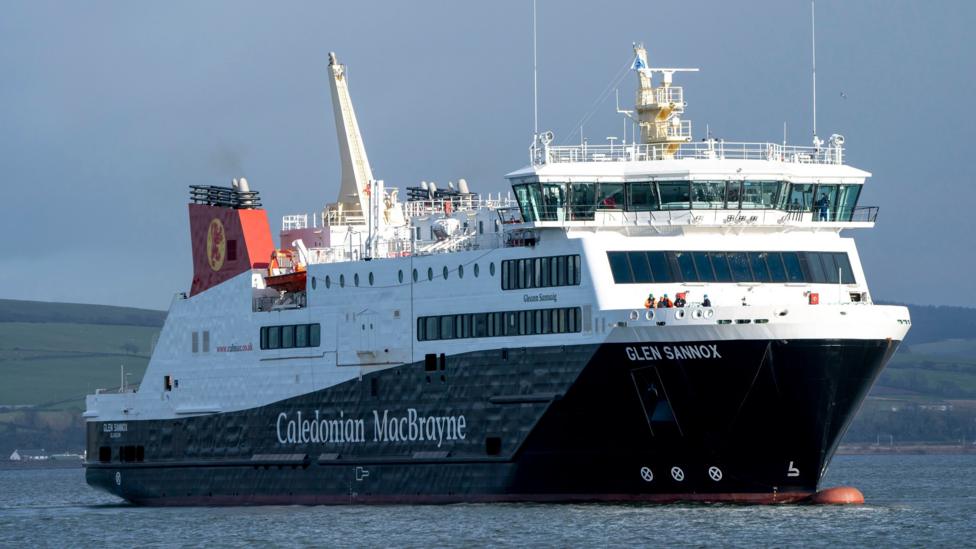
The ship's propulsion systems were designed and supplied by Finnish firm Wartsila, which operated as a subcontractor during construction at Ferguson Marine shipyard in Port Glasgow. On the initial crossing between Troon and Brodick that morning, the engine shut down unexpectedly, forcing the crew to complete the journey using diesel power. When the engines were restarted for the return leg, the valve failed catastrophically.
The crew initially remained unaware of the valve failure because the engines had been supplied without certain monitoring equipment. The gas continued escaping from the vessel for 12 minutes before crew members detected the problem and manually closed the valve. The volume of gas released was substantial enough that some was drawn back into the engine rooms through ventilation systems, triggering gas detector alarms.
Wartsila's examination of the failed valve revealed that a metal casing had been damaged and possibly worn away by another component that had become loose. According to marine industry reporting, CalMac's investigation determined that the crew should not have resumed gas operation before identifying the cause of the alarm activation. Further analysis suggests the vent valve may have been damaged by contact with a loose component, possibly linked to vibration during astern operation, and a monitoring sensor and position indicator have since been retrofitted to prevent recurrence.
Broader questions about ministerial competence
This incident arrives amid growing scrutiny of Flynn's performance in his role. Just days before the ferry leak story broke, First Minister John Swinney defended Flynn at a separate committee meeting after Willie Rennie raised what he characterised as "serious concerns about his competence as a minister" and questioned his awareness of his brief.
Rennie stated at that earlier hearing:
"All of the evidence to our committee has shown he is not on top of the issue in the way that he should be at the time he should be."Swinney responded by saying he "respectfully disagreed" with Rennie's assessment, expressing confidence that all his ministers were "across their responsibilities."
During his committee appearance on the ferry incident, Flynn suggested that information about the leak "may have been conveyed" to him as part of a broader collection of documents provided when he assumed the position from his predecessor Fiona Hyslop in May. He later acknowledged that Hyslop had been informed about the incident during her tenure.
What happens next
Flynn committed to providing further details to the Transport Committee in writing and indicated he had requested that CalMac submit additional information as well. The unfolding controversy continues to test the First Minister's confidence in his transport secretary, with opposition parties demanding greater accountability and transparency regarding both the ferry incident itself and the minister's handling of the subsequent inquiry.