Transgender people across Britain are confronting an altered landscape following the publication of fresh guidance in August designed to help institutions interpret a significant Supreme Court ruling on trans rights from the previous year. The new guidance document, spanning nearly 350 pages, has created uncertainty about where transgender individuals should access facilities in everyday settings.
For Amelia, a trans woman who has used women's facilities without incident for years, the shift has become deeply unsettling. She now faces anxiety each time she enters a pub or restaurant, uncertain whether she will be challenged or turned away from the bathroom. The guidance mandates that single-sex spaces including toilets and changing rooms should be based on biological sex, a requirement that has left many transgender people questioning their place in public spaces.

This development follows earlier guidance that mandated single-sex spaces be used according to biological sex while offering gender-neutral options for transgender individuals. The implications have extended beyond public amenities. Girlguiding UK implemented a policy requiring transgender girls to leave its groups by September following the Supreme Court's definition of sex as biological sex in equality law. Additionally, a Scottish judge ruled that prison guidance allowing transgender inmates to be housed according to gender identity was unlawful, affirming sex-based segregation.
What is the political response?
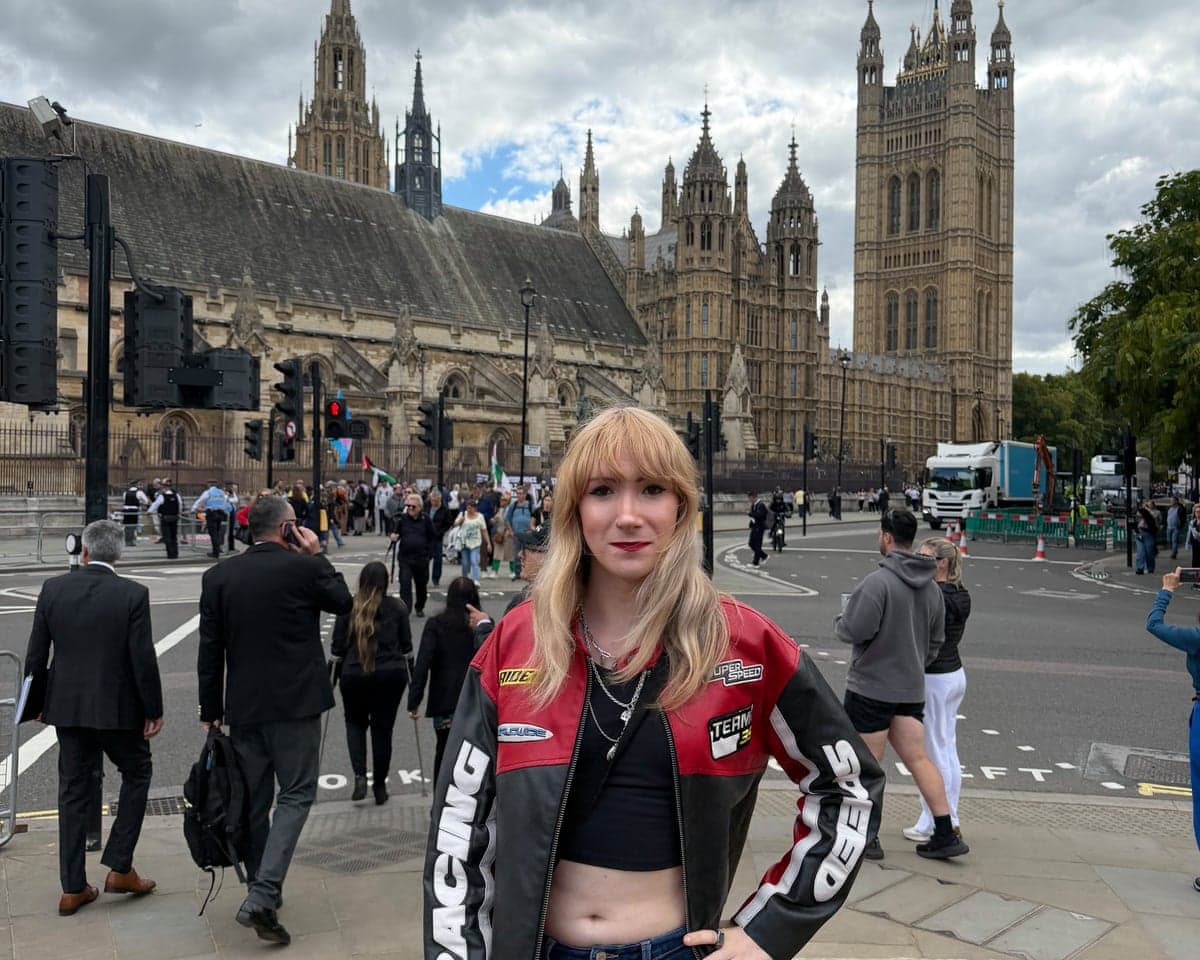
Helen Pidd travelled to parliament to speak with those protesting the new guidance and to assess the government's position on potential legislative change. Senior political correspondent Peter Walker provided insight into whether there is any appetite within government to alter the law in response to these concerns. The political landscape remains contested, with significant disagreement over how institutions should balance the needs and rights of transgender people against other considerations.