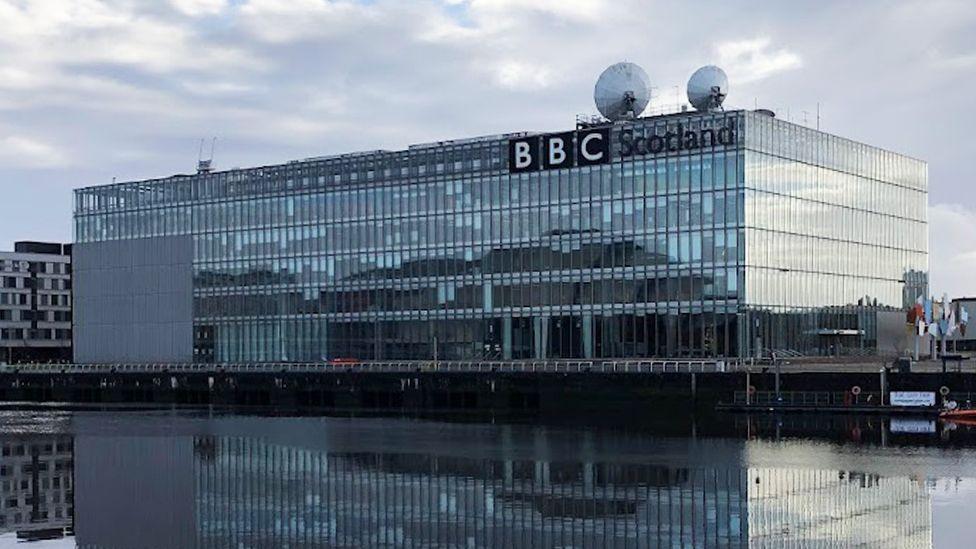
Trade union leaders have cautioned that additional cuts to BBC Scotland could "fundamentally undermine" the corporation's funding model and damage the licence fee relationship with Scottish audiences, following the broadcaster's announcement to close its linear TV station and eliminate approximately 70 jobs north of the border.
According to BBC News, the corporation revealed last month that it would shut the BBC Scotland TV station, which launched in 2019, as part of a £500m cost-cutting programme. The nightly news bulletin News at Seven will also cease, with the channel moving online to a streaming platform in spring 2027.
Nick McGowan-Lowe, national organiser for Scotland at the National Union of Journalists, expressed "significant concerns" about the scale of reductions. He warned that if further rounds of similar cuts followed, Scottish viewers would begin questioning their continued payment of the annual licence fee.
"I feel that the further cuts down the line, if they are on the same scale as the BBC Scotland channel [decision] ... it would fundamentally undermine the BBC's funding model and relationship with viewers in Scotland."
The closure decision has drawn scrutiny from regulators and politicians. Ofcom has asked the BBC for a timetable for further planned closures or reductions and an assessment of their audience impact, stating it lacks a clear picture of how the savings affect the BBC's ability to meet its mission and public purposes.
McGowan-Lowe also told the Scottish Parliament's culture committee that it was "inexplicable" the BBC Scotland channel could be moved online without approval from industry regulator Ofcom. He highlighted that BBC Scotland was used by 80% of adults at least once a week on average in the previous year, demonstrating substantial audience engagement.
Is this a funding problem or an audience problem?
McGowan-Lowe attributed the corporation's difficulties to a "funding crisis" stretching back more than a decade, rather than declining viewership.
"It is a funding problem, not an audience problem, because the BBC and public broadcasters do a very, very good job."
Paul McManus, negotiations officer for Scotland at Bectu, told the committee that the fundamental issue lay with the licence fee's failure to keep pace with the costs of delivering high-quality public service broadcasting. He raised concerns about whether the creative industry can sustain employment in Scotland as the cuts proceed.
The BBC's financial pressures stem from multiple sources. The broadcaster, which employs approximately 21,500 full-time staff, derives most of its income from the licence fee, currently set at £180 annually. However, the number of TV licences has declined in recent years, falling to 23.3 million in 2025-26, a decrease of 540,000 from the previous year. An estimated £311m was raised through licence fees in Scotland last year, representing a real-terms decrease compared to 2024-25.
The BBC's annual report attributed the licence decline to "predominantly a decline in households requiring a TV licence due to not consuming licensable content". The corporation faces additional pressures from budgetary constraints, difficulty growing audiences, and increased competition from technology and entertainment companies.
What is the broader context of these cuts?
The BBC Scotland closure is part of a wider restructuring programme. The corporation announced earlier this year that it would eliminate between 1,800 and 2,000 jobs over the next two years. The BBC has also announced the closure of Radio 4 Extra and BBC Three as linear services.
The BBC Scotland channel closure will result in approximately 10 additional posts being cut, in addition to 60 job losses announced earlier in the year. The BBC's first savings phase, announced in June 2026, involved about 550 role reductions across News, Nations and Content and aimed to save around £160m by the end of the financial year.
Cristina Nicolotti Squires, broadcasting and media group director at Ofcom, told MSPs that the BBC had so far set out plans for only about £200m of its £500m savings target, leaving significant uncertainty about how the remaining reductions will be achieved.
BBC Scotland director Hayley Valentine stated last month that BBC Scotland would concentrate resources "where they will have the greatest impact for audiences" as it navigates financial challenges. Director-general Matt Brittin defended the decisions, saying:
"We need to make every pound work harder for audiences as we respond to the immediate cost pressures and reinvent the BBC for a changing world. We all know that means tough choices."
Discussing the closure of linear broadcast services, Brittin added:
"Much of the great content they currently carry will still be found where audiences already enjoy them on and Sounds."
What do academics and politicians say?
Professor Catherine Happer, professor of media sociology at the University of Glasgow, warned that the Scottish audience faced "an even worse settlement than the pre-2019 settlement that the [BBC Scotland] channel was designed to respond to". She expressed concern about the broader implications:
"This really has real impacts of the political and cultural literacies of Scotland."
The BBC Scotland channel is included in the BBC's operating licence agreed with Ofcom, which was renewed in July 2025. The channel has cost the BBC approximately £42m annually in recent years, making it a significant expense within the corporation's budget.
Culture Secretary Màiri McAllan has previously demanded that Ofcom review the BBC's plan to close the linear BBC Scotland channel, calling the decision "wholly unacceptable" and warning it would harm representation of Scottish interests.
What happens next?
The BBC expects BBC Scotland's linear service to close and its streaming-only service to begin in spring 2027. The corporation continues to face pressure from regulators and politicians to clarify how it will achieve its remaining £300m in savings and what further service reductions may follow.