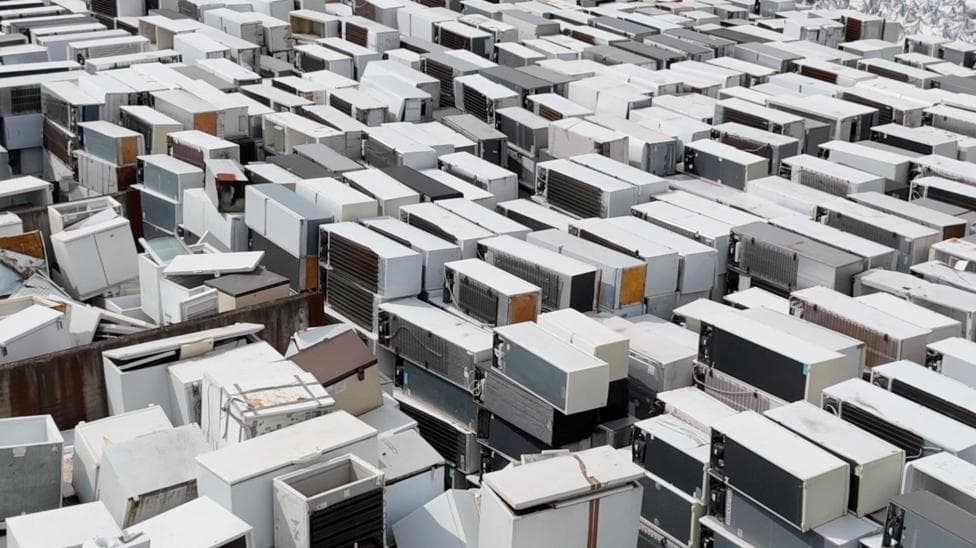
More than 80,000 refrigerators and freezers are piling up at Newport Docks following the liquidation of recycling company Unimetals in late 2025, leaving councils across England and Wales unable to collect appliances from households. The closure of the Newport facility has eliminated roughly 30% of the UK's fridge recycling capacity, triggering widespread suspension of collection services and forcing residents to store broken appliances in their gardens for months.
The crisis stems from the collapse of specialist treatment infrastructure and a severe shortage of processing capacity for cooling appliances, according to the Local Government Authority (LGA). Almost a quarter of Welsh councils have now suspended household collections, while councils from Bradford to Gloucestershire, Durham and Nottinghamshire were among 26 to suspend fridge collections in August 2026. The Department for Environment, Food and Rural Affairs (Defra) confirmed it is working to manage the capacity shortages.
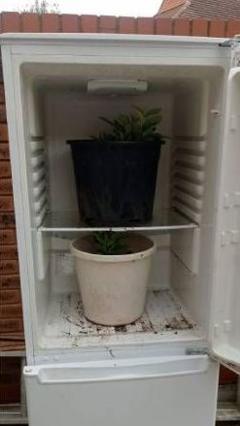
Cardiff resident Lee Young has been attempting to dispose of his broken fridge-freezer since July, when he was turned away from the local recycling centre.
I tried to take it to the recycling centre in July but was told it wasn't accepted. Someone said the council would collect it, but they won't either.The appliance has remained in his back garden ever since, with no clarity on when collections will resume. Young expressed frustration at the inconsistency between neighbouring councils, noting that residents in Barry or Penarth in the Vale of Glamorgan can have appliances collected from the kerb, while Cardiff offers no such service.
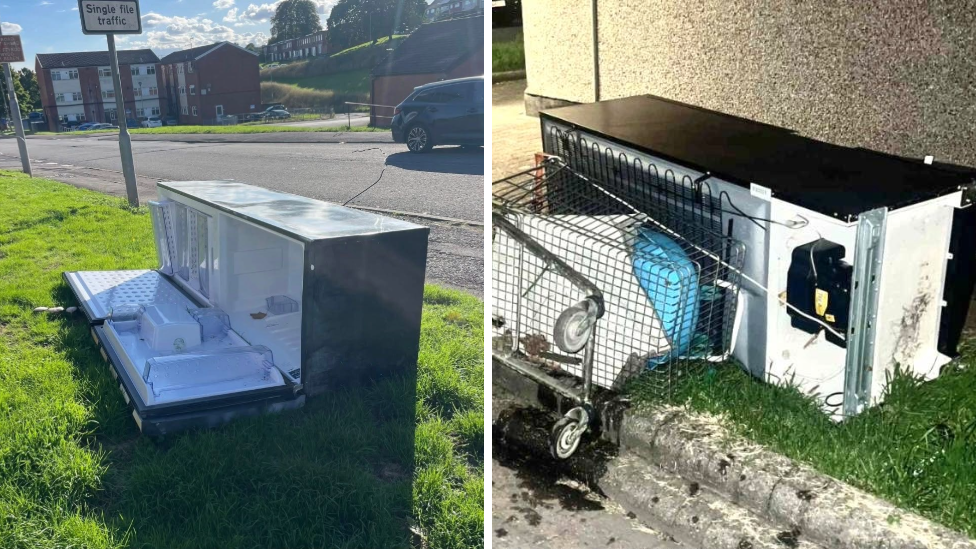
The disparity in collection policies has prompted questions to the Welsh Local Government Association about why some councils maintain services while others cannot. Michael Enea, a Newport-based campaigner who documents fly-tipping, warned that the disposal crisis will likely accelerate illegal dumping of appliances.
I think there'll be a lot of people in local communities where they don't have the ability to dispose of their fridges and freezers, who will end up literally dumping them in the street. We see it quite a lot in Newport and right over Wales.
What caused the Newport facility to close?
Unimetals, which operated dozens of recycling sites across the UK, filed for liquidation in 2025, leaving the Newport Docks site—previously operated by Sims Metal—in limbo. Associated British Ports (ABP), which took over management of the facility, stated it is
in discussions with third partiesabout the future of the site and the stored materials.
In the interim, the material is being managed responsibly as part of the site's transition and will be transferred to another specialist recycling operation in due course.
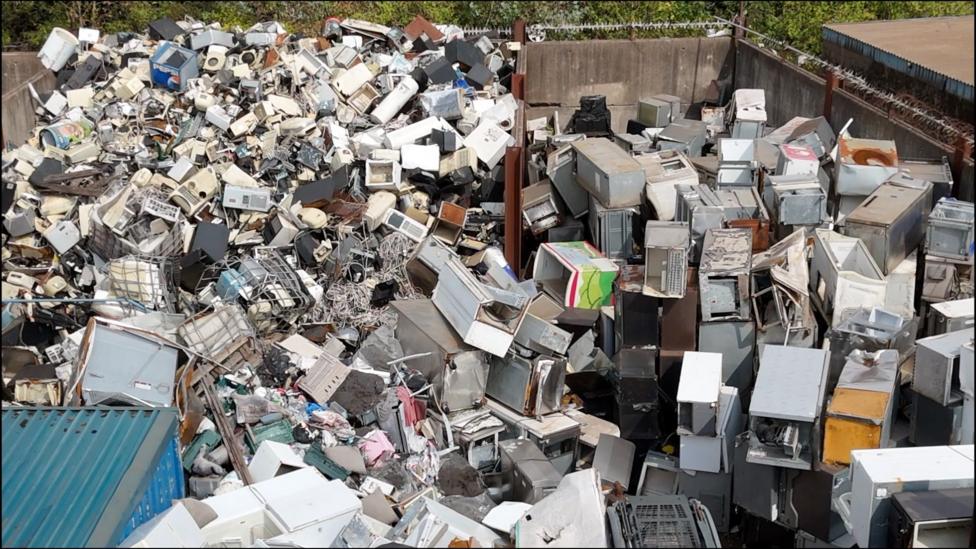
The Newport facility previously handled approximately 600,000 appliances annually, making its closure a critical blow to national recycling infrastructure. The LGA has identified dozens of councils across Wales and England forced to stop or restrict collections, with further suspensions anticipated. Oxfordshire County Council has called on the UK government to reopen the Newport plant to alleviate the crisis.

What chemicals pose a risk if appliances are left exposed?
Leaving thousands of refrigerators and freezers exposed at docks and in residential gardens creates significant environmental and safety hazards. Dr David Santillo, a research scientist at Greenpeace, warned that many appliances at Newport Docks still contain
some of the most harmful chemicalsincluding hydrofluorocarbons (HFCs), which are potent greenhouse gases used in air conditioning, industrial chillers and refrigeration systems. Commercial-type fridges may also contain isobutane, pentane and ammonia.
None of these chemicals are benign. They all have the potential for harmful effects, or they can be toxic if they leak.
Older appliances may contain chemicals with
much wider impacton the environment, and prolonged outdoor storage creates fire risks that could release
toxic smokeif ignition occurs. Santillo urged the UK government to
step in and find a solutionto what he characterised as a national issue requiring immediate intervention.

How are councils responding to the shortage?
Councils have implemented emergency measures to manage the crisis. Oxfordshire's new rules limit residents to booking fridge and freezer drop-offs a week ahead, and after dropping off two appliances they cannot book again for three months. Oxfordshire County Council asked city and district councils to restrict fridge and freezer bulky-waste collections for the next six weeks. Merthyr Tydfil Council introduced a one-fridge-per-household limit at recycling centres and suspended fridge collections from its trade-waste scheme.
Defra acknowledged the challenges facing local authorities and confirmed it is working to manage treatment capacity shortages. The department stated it is
allowing the storage of fridge and cooling equipment on temporary sites provided certain conditions set out by the Environment Agency are met.The Environment Agency has authorised temporary storage at approved facilities until April 2027, reflecting the broader national bottleneck in fridge reprocessing capacity.
Natural Resources Wales, the regulator, said it is
aware of the pressuresaffecting operators across the UK and is providing
regulatory flexibilityto help manage temporary storage pressures. The Welsh government stated it is working with Natural Resources Wales, local authorities and the UK government to
manage the situation and support a return to normal capacity.
What happens next?
Oxfordshire's temporary booking restriction is due to run for six weeks and was described as being reviewed weekly. Oxfordshire's appointment system was not accepting new bookings until 28 September 2026. The Newport site could potentially be brought back online, while a new facility is expected to open in January and will require time to reach full operational capacity.
Key Facts:
- More than 80,000 refrigerators and freezers are stranded at Newport Docks following Unimetals' liquidation in 2025
- The closure eliminated approximately 30% of UK fridge recycling capacity and forced nearly a quarter of Welsh councils to suspend household collections
- Appliances contain hazardous chemicals including hydrofluorocarbons, isobutane, pentane and ammonia that pose environmental and fire risks if left exposed
- Councils have implemented emergency restrictions including booking limits and one-appliance-per-household policies at recycling centres
- The Environment Agency has authorised temporary storage at approved facilities until April 2027 while treatment capacity is restored