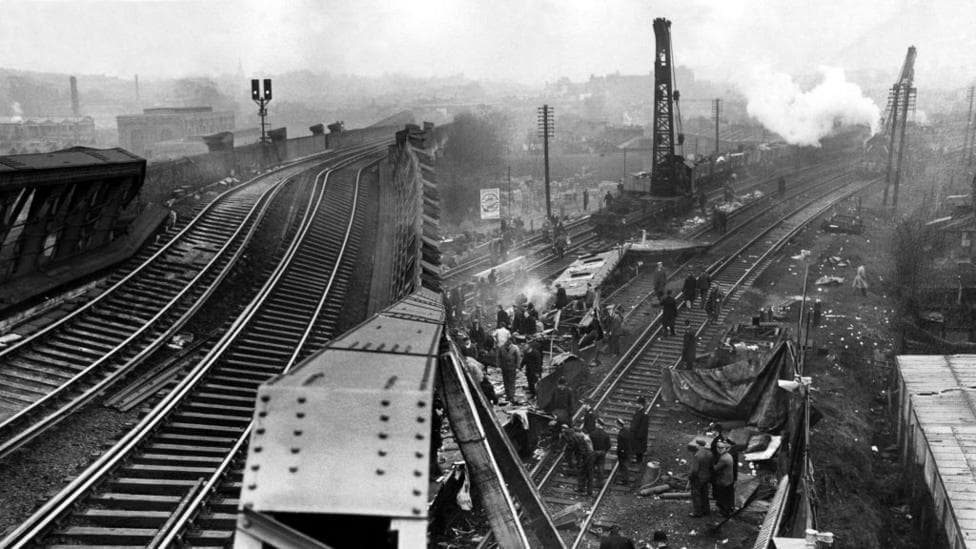
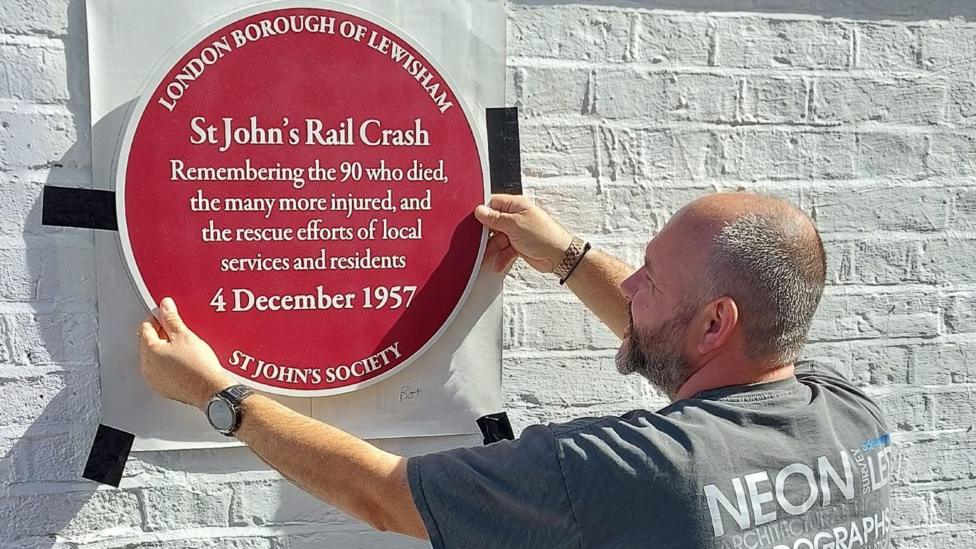
A commemorative plaque honouring the 90 people who died in the Lewisham rail crash was unveiled at St John's station on 19 September 2026, marking one of Britain's most devastating railway accidents. An electric train and a steam train collided in thick fog on 4 December 1957, making it the nation's third-worst rail crash by death toll, behind only the Quintinshill disaster of 1915 and the Harrow crash of 1952. The collision's force catapulted carriages into the air, and the impact claimed 90 lives while injuring many others.
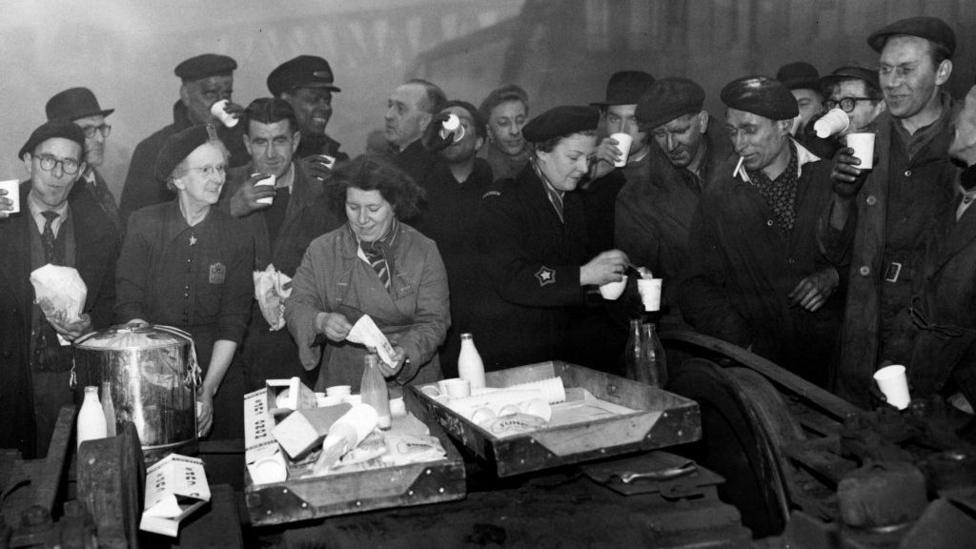
In the immediate aftermath, residents of St John's responded with extraordinary compassion, tending to injured passengers and providing shelter to those stranded by the disaster. A parliamentary debate held the day after the crash heard testimony about how local people "so unselfishly put their houses and their belongings at the disposal of the rescuers". According to the St John's Society's campaign records, the community had long sought a permanent memorial within the station itself, as the crash had previously lacked any dedicated plaque at the site.
Why was a memorial needed now?
For nearly seven decades, the victims of the Lewisham crash had no formal remembrance at St John's station despite the heroic efforts of local residents during the emergency response. Litsa Breingan from the St John's Society, which organised the plaque, explained the significance of the project:
"I just felt that this was really important, that we should recognise the people who lived in St John's before, to thank them for the enormous efforts they made that night."The maroon-coloured plaque, placed on the long brick wall approaching the station entrance, forms part of Lewisham's heritage plaque scheme and was funded by the Railway Heritage Trust and local supporters.

What did the crash involve?
The collision on 4 December 1957 brought together two trains carrying a combined total of approximately 2,200 passengers. Investigators determined that the electric train carried around 1,500 people while the steam train held roughly 700 passengers. The scale of the disaster required more than a week of recovery work to clear the tracks and restore rail services, making it a major national event that prompted a government inquiry.
How did the community respond?
Local residents became instrumental in the rescue effort, with many opening their homes and providing immediate assistance to survivors. Tony Redding, a local author and historian whose father worked for British Rail at the time, recalled the profound emotional impact on those involved in the recovery. His father helped cut people free from the wreckage, and Redding described witnessing his father's distress:
"It was the first time I ever saw my father cry, and it became too much because it was so desperately sad, as were so many scenes at the crash site."Redding emphasised that the memorial was
"long overdue"and that
"it's right that they should be remembered at this station."
How was the plaque unveiled?
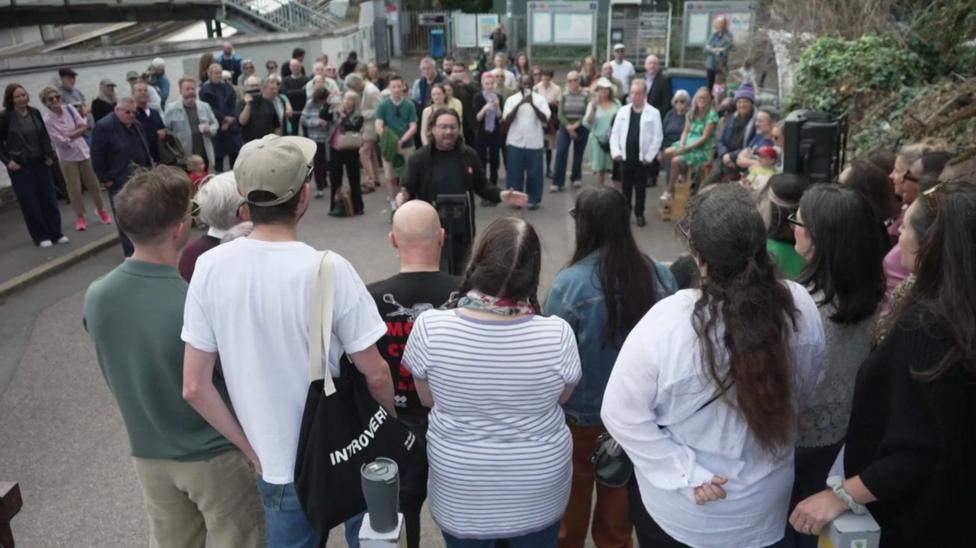
Members of the community and the St John's Society gathered at the station for a formal ceremony that included speeches, choral performances, and readings accompanied by music. According to the St John's Society's event notice, the unveiling took place at midday on 19 September 2026, bringing together local residents, survivors' families, and railway heritage supporters. The plaque's location near the station entrance, by the postbox on the brick wall, had been approved by Network Rail and selected to ensure visibility and accessibility for visitors to the station.
Key Facts
- The Lewisham rail crash of 4 December 1957 killed 90 people and injured many more, making it Britain's third-deadliest railway accident
- Approximately 2,200 passengers were aboard the two trains involved in the collision, which occurred in thick fog
- Local residents played a crucial role in the immediate rescue effort, providing shelter and assistance to survivors
- The memorial plaque was funded by the Railway Heritage Trust and the St John's Society, and forms part of Lewisham's heritage plaque scheme
- Recovery and track clearance took more than a week to complete following the disaster