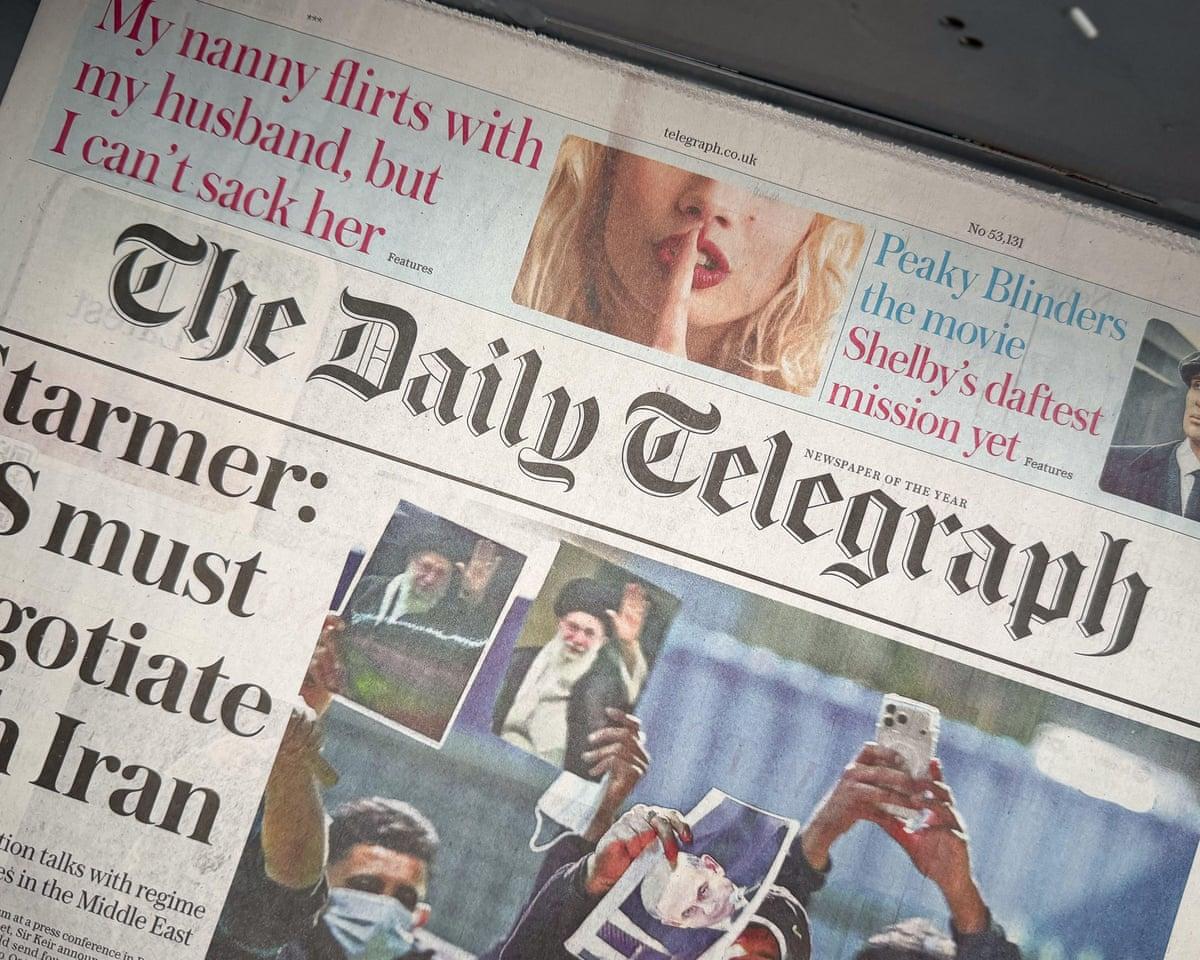
The Telegraph's newsroom is gripped by uncertainty following the departure of deputy editor Rob Winnett to the Daily Mail, with staff expressing deep concerns about the German media company Axel Springer's direction for the title five months after its £575 million acquisition. According to The Guardian, insiders report seeing only cost reductions with no clear long-term strategy, despite promises of investment and expansion when Springer took control.
The Telegraph has endured months of internal turbulence since the takeover. Speculation about the futures of editor Chris Evans and deputy Winnett dominated conversation in recent weeks, fuelled by Evans's unexpected early return from a US trip and a series of closed-door meetings among senior leadership. Winnett's move to the Mail, where he has been appointed chief content editor and positioned as a potential successor to editor Ted Verity, marks a significant loss for the Telegraph after 19 years at the organisation. Matthew Bayley is set to replace him as deputy editor.
The departure has crystallised wider anxieties about Springer's ownership. Staff members describe a disconnect between the company's public statements and its actions on the ground. One newsroom insider characterised the situation bluntly:
I don't think they have a particular plan – they clearly want money saved. They've clearly given Evans a target of savings to make. In terms of a plan, it's all very vague.
Winnett had been part of a team that travelled to Florida to explore establishing a base for international expansion, but those plans have stalled. His departure was described by colleagues as
a huge lossto the organisation's future prospects.
What is Springer's actual strategy?
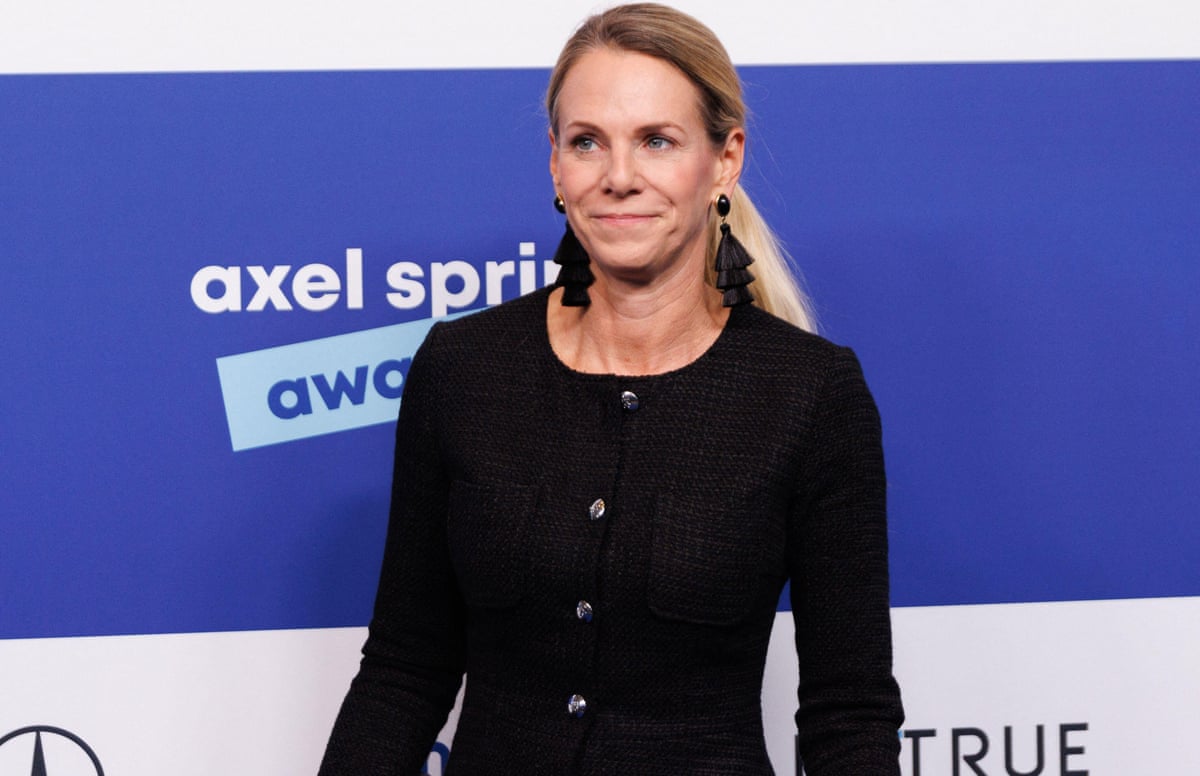
Springer's chief executive Carolin Hulshoff Pol outlined the company's vision at a recent town hall meeting with journalists, stating the strategy was to reinvent the reader experience, build new revenue streams and grow internationally. However, staff found her answers vague and unsatisfying when pressed for specifics about the restructuring and the company's repeated references to becoming a
global, AI-powered premium media and intelligence business.
The Telegraph is targeting up to 100 job cuts as part of this transformation. The proposed growth areas include video, audio, puzzles, events, business-to-business products, licensing and commerce, alongside international audience expansion in foreign affairs, defence and business. Yet staff remain unclear what the artificial intelligence component will actually involve or how it will be implemented.
Why are cuts happening if the business is profitable?
The restructuring has puzzled observers because the Telegraph generates healthy underlying profits and margins. Media analyst Alex DeGroote noted the apparent contradiction:
This is a business that generates healthy margins, healthy profits. So at face value, the restructuring – all these redundancies – is not because of financial pressures. Even allowing for the fact that the advertising market this year has probably been a bit soft, both print and digital, the scale of the restructuring would suggest that this is quite a deep strategic rethink. Basically, I'm afraid it points to AI.
Confusion persists about who is driving the cuts. Editor Evans, who stabilised the Telegraph during three years without an owner, now appears tasked with implementing Springer's cost reductions. Some staff believe he is being used to carry out
the bulk of the current bloodletting, insulating Springer's leadership from direct responsibility.
What has changed editorially?
Some staff initially detected a shift in the Telegraph's political direction following Springer's purchase. The loosening of ties with certain figures and departures of prominent right-wing writers such as Sherelle Jacobs suggested a move towards a centre-right global audience. However, many now believe these changes reflect cost-cutting rather than editorial repositioning.
The Telegraph's new US podcast, The Right Track with Poppy Coburn, recently featured rightwing media host Steve Bannon, an ally of Donald Trump, suggesting the title's right-leaning positioning remains intact. This has left staff confused about Springer's intentions and whether the company is genuinely committed to reshaping the Telegraph's editorial identity or simply reducing expenses.
What are Döpfner's broader ambitions?
The uncertainty reflects the ambitions of Mathias Döpfner, Springer's billionaire chief executive, who has spent years attempting to establish himself as a major global media mogul. He made an unsuccessful bid for the Financial Times in 2015 and subsequently acquired Business Insider and Politico. He has expressed interest in acquiring the Wall Street Journal and has recently pursued stakes in other media properties.
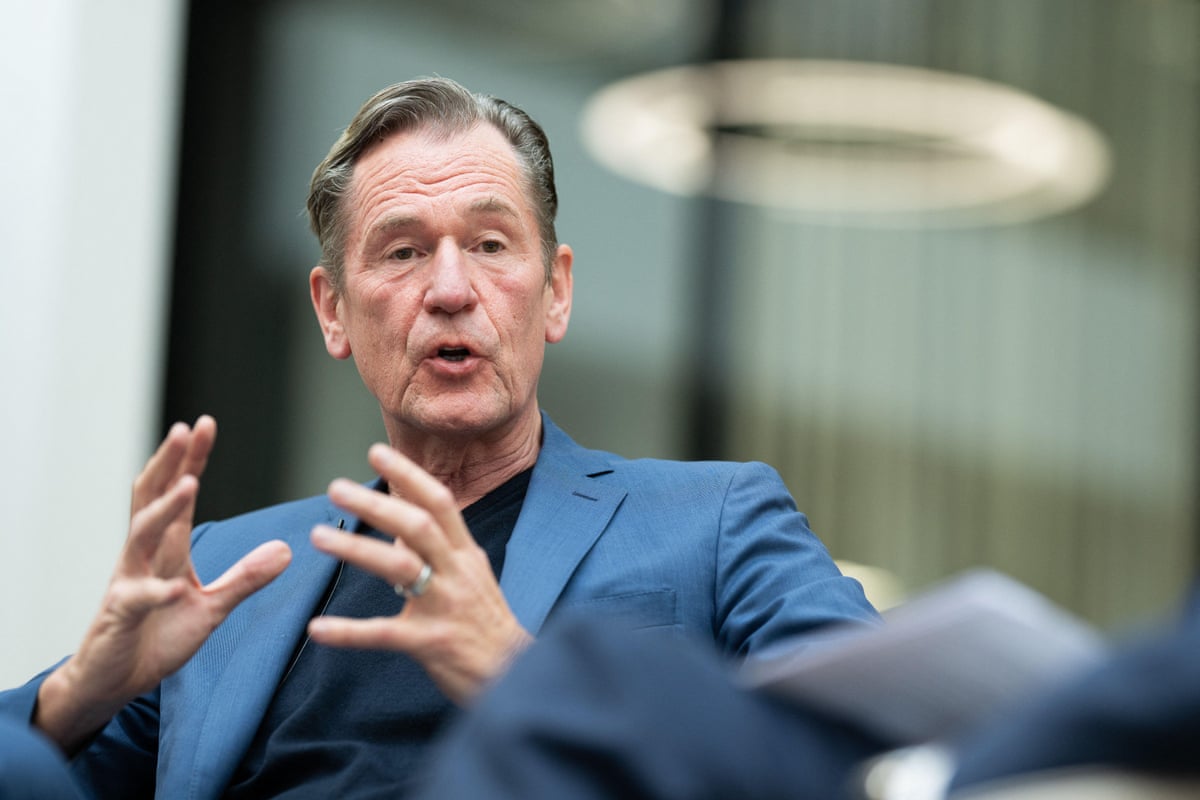
It had been widely assumed that Döpfner would use the Telegraph as a vehicle to compete against right-leaning media outlets in the United States. However, recent reports suggest his attention may be turning elsewhere. He has reportedly expressed interest in acquiring a stake in TikTok's European operations, having discussed the idea with Charles Kushner, the US ambassador to France and father of Trump's son-in-law Jared Kushner, in January.
This shifting focus has left Telegraph staff wondering where they fit in Döpfner's broader strategic vision. One journalist at the town hall meeting articulated the frustration:
It's all very well getting rid of the people that come in with stories and write them and produce them and present them to you on a plate, but what are you then going to do? You don't get a room full of journalists together and not have answers.
What happens next?
The Telegraph is proceeding with consultation on proposed redundancies, with staff considered at risk having been notified by email. The company has characterised the restructuring as involving
difficult proposals that we believe are necessary for the future of the business.
The Telegraph's situation reflects broader pressures facing British media organisations. The title's ownership struggles over recent years, culminating in Springer's completion of its acquisition in June 2026 after a three-year effort to secure the title's future, underscore the challenges facing legacy news organisations in adapting to digital transformation and competing with technology companies for advertising revenue and audience attention.
Key Facts
- Rob Winnett, the Telegraph's deputy editor and a key figure in the MPs' expenses scandal coverage, has departed to join the Daily Mail as chief content editor after 19 years at the Telegraph.
- Axel Springer acquired the Telegraph for £575 million earlier in 2026, promising investment and expansion, but staff report seeing only cost cuts with no discernible long-term strategy five months into ownership.
- The restructuring targets up to 100 job cuts as the company aims to transform the Telegraph into a global, AI-powered premium media and intelligence business, though staff remain unclear what this entails.
- The Telegraph generates healthy underlying profits, suggesting the restructuring reflects strategic ambitions rather than financial necessity, with media analysts pointing to artificial intelligence as a likely driver.
- Mathias Döpfner, Springer's billionaire chief executive, has recently pursued interests in TikTok's European operations, raising questions among Telegraph staff about where the title fits in his broader media ambitions.