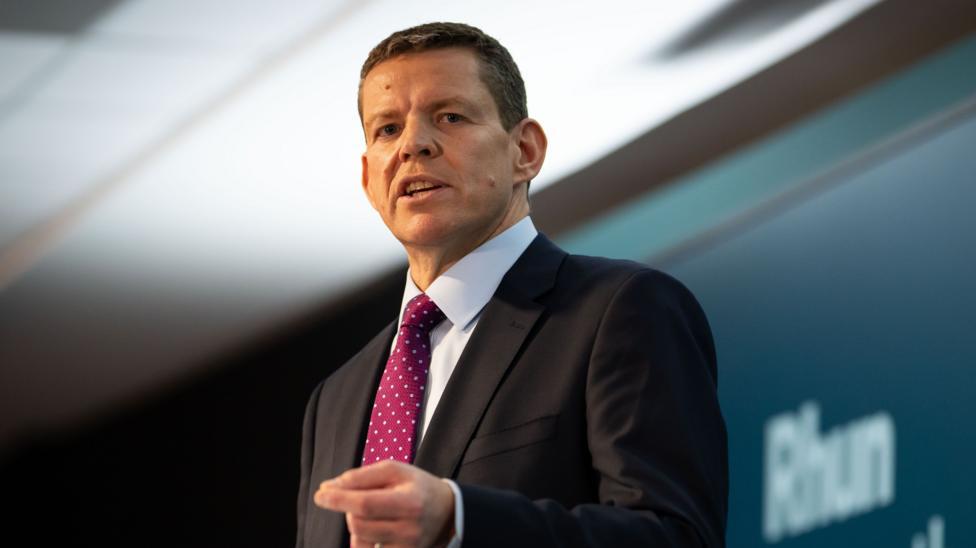
Welsh First Minister Rhun ap Iorwerth has expressed shock after Prime Minister Andy Burnham rejected long-standing requests to transfer powers over policing, justice, the Crown Estate and rail infrastructure from Westminster to Cardiff. In a letter to ap Iorwerth, Burnham stated he was "not persuaded" by the case for devolution on these matters, prompting the first minister to accuse him of disregarding the views of Welsh people.
This story was first reported by BBC News.
According to BBC News, ap Iorwerth told BBC Radio Wales breakfast that the decision represented Westminster asserting its authority regardless of Welsh public opinion. Secretary of State for Wales Stephen Kinnock defended the position by warning that the proposed changes would have caused "destabilisation and fragmentation and disintegration".
The first minister's frustration centres on what he characterised as a lack of engagement with Wales during the decision-making process.
"I'm pretty gobsmacked by that, but at least one positive here is that we are seeing very clearly now that this is about Westminster saying, 'we decide, it doesn't matter what the people of Wales think'."He highlighted the contrast between Welsh views on devolution and those held in Westminster and Whitehall.
Earlier in the year, ap Iorwerth had urged Burnham to grant Wales more powers following the prime minister's appointment. After meeting Burnham in Glasgow on 30 October, ap Iorwerth pressed for devolution of policing, Crown Estate powers, rail infrastructure and greater fiscal flexibility. The first minister had previously suggested that Burnham was instinctively inclined to support devolution, noting that the prime minister had described himself as "open" to the idea.
What did Burnham say about policing?
Burnham argued that maintaining an integrated England and Wales policing system is essential for operational effectiveness.
"The integrated England and Wales policing system is essential to maintaining interoperability, enabling seamless cross-border working and ensuring forces in Wales can draw on national and specialist capabilities."He contended that retaining this framework allows Welsh forces to respond effectively to threats and protect the public. Notably, ap Iorwerth said Burnham had more influence over policing as Manchester mayor than the Welsh first minister has, calling that arrangement unacceptable.
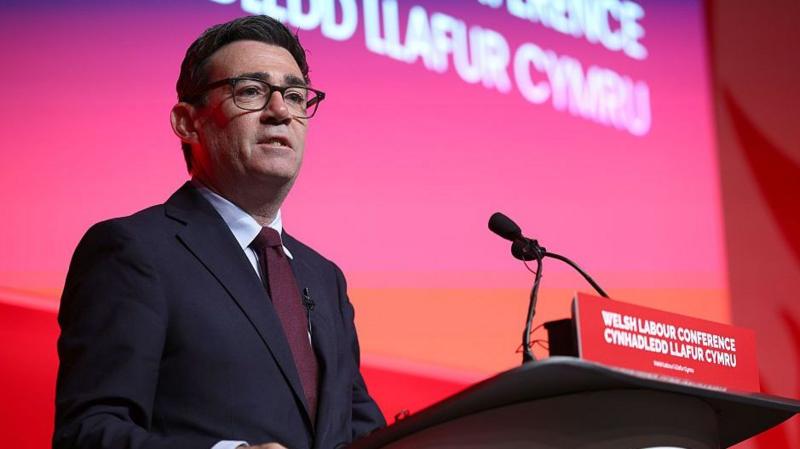
Why did Burnham reject devolution of justice?
On justice matters, Burnham stated he "strongly believes" that the current devolution settlement enables Wales to benefit from the resources, expertise and resilience of a shared justice system.
"Effective partnership working is therefore essential to improving outcomes for victims, reducing reoffending and building safer communities."This position contrasts with Welsh Labour leader Ken Skates, who reiterated at a party conference that policing and the Crown Estate should be devolved.
What is the Crown Estate and why does it matter?
The Crown Estate comprises the seabed off the Welsh coast and other properties that belong to the reigning monarch. Revenue from its property portfolio flows directly to the UK Treasury. 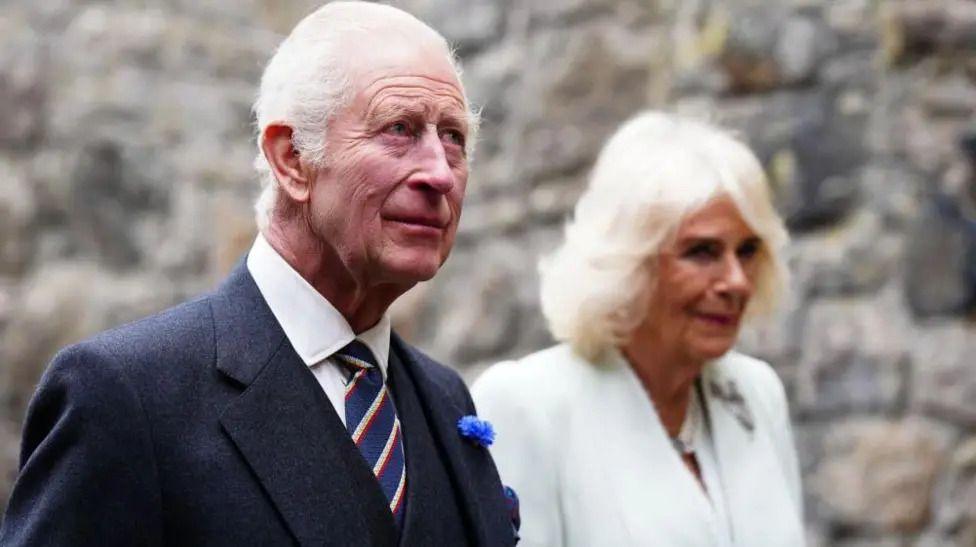
Burnham argued that the Crown Estate's "current model provides the best means of maximising the economic and social benefits for Wales".
"The UK government is 'not persuaded by the case for devolving the management of the Crown Estate in Wales, nor to prepare for a future transfer'."However, Burnham's letter also outlined significant support for Welsh rail development, stating that the UK Government will support a Welsh rail project pipeline worth up to £14 billion and transfer governance of Welsh rail enhancements to the Wales Rail Board.
What is Burnham's position on rail infrastructure?
Burnham rejected full devolution of rail infrastructure, stating that
"funding and delivery of infrastructure is best done by the new Great British Railways, in collaboration with Transport for Wales and Welsh government."He contended that devolution would fragment the current system and harm the service provided by the highly integrated cross-border network.
What alternative offer did Kinnock present?
Kinnock said the UK government had placed "a bold and ambitious offer on the table" to work with the first minister on devolving fiscal powers, employment support, reindustrialisation, innovation and regional empowerment. He framed this as a means to bring "power and growth closer to regional areas of Wales and local areas and communities".
How has the first minister responded?
A spokesperson for ap Iorwerth accused Burnham of "turning his back on devolution".
"His warm words on devolution are now ringing hollow and there is no longer any doubt that when he talks of driving power out of Whitehall, he only means to the regions of England."The spokesperson added that Burnham's refusal to explore devolution of the Crown Estate, justice, policing and rail infrastructure demonstrates that the prime minister does not regard Wales as an equal nation.
The first minister had previously expressed cautious optimism about Burnham's devolution plans, but the rejection has fundamentally altered that assessment. Burnham had told members of his party that Welsh Labour may have lost sight of some devolution principles before its historic election defeat, a comment that has added tension to the exchange.
What happens next?
The Welsh Government has announced an independent standing body to examine the case for independence and further devolution, including policing, justice, the Crown Estate and rail infrastructure. The new standing body is expected to consider the balance of responsibilities between Welsh, regional and local government, as well as the case for independence and further devolution. This development suggests that the devolution debate in Wales will continue to evolve independently of Westminster's current position.