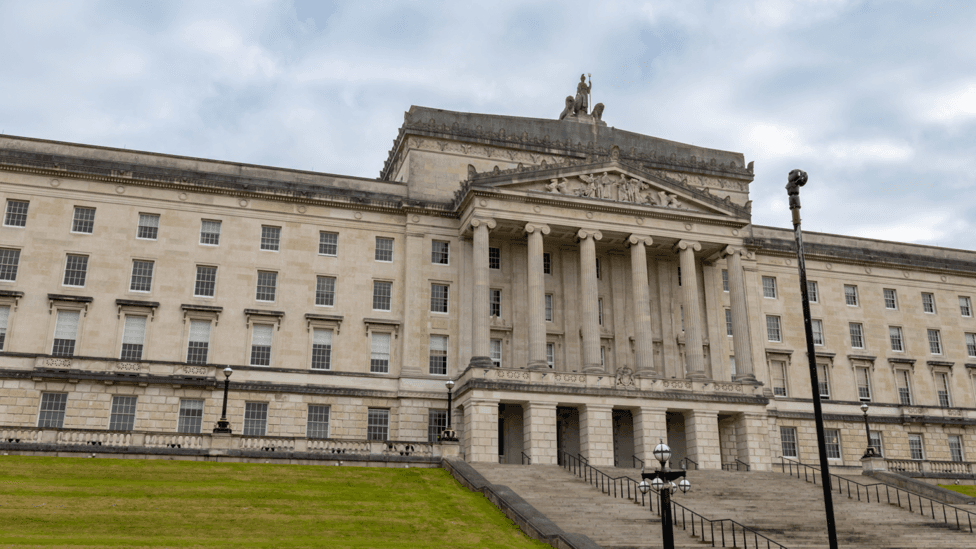
The Northern Ireland Executive is convening an urgent meeting on Tuesday as ministers attempt to break a prolonged deadlock over the absence of an agreed budget. Six months into the financial year, no spending plan has been finalised by the power-sharing coalition, leaving public services operating under emergency arrangements and departments facing a potential shortfall of up to £1.6bn.
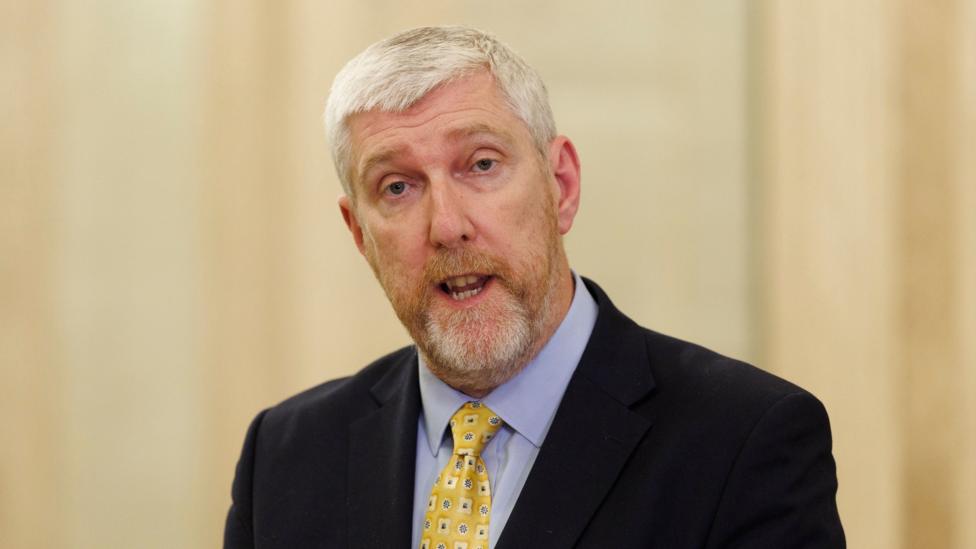
Finance Minister John O'Dowd announced he had requested the urgent executive session to allow ministers to formulate a unified negotiating position to present to the British government. The meeting comes after Northern Ireland Secretary Sir Chris Bryant instructed officials to prepare contingency plans following the expiration of a deadline for consideration of a £1.5bn funding offer.
What is the current funding offer?
The UK government's package, announced last month, comprises £1.25bn in additional Executive funding spread across three years, alongside £150m for public-service transformation and £100m for social housing. The offer also includes £75m to address fraud and error in the benefits system. According to the government's breakdown, the package provides £450m for immediate pressures in the current financial year, with £400m allocated for each of the following two years.
Despite this offer, executive parties have maintained that the funding remains insufficient and that significant gaps persist before they can commit to a budget agreement.
Why have departments been operating under emergency arrangements?
With no agreed budget in place, Stormont departments have been functioning under contingency measures since April, permitting them to spend up to 95 per cent of the previous year's funding. This temporary arrangement was necessitated after the Executive failed to agree even a draft budget published by Finance Minister O'Dowd in January. The spending watchdog has identified a potential departmental shortfall of up to £1.6bn, underscoring the severity of the financial pressures facing public services.
What are the parties demanding?
Speaking in the assembly on Monday, O'Dowd warned that without additional funding, there would be
damage to public servicesand reiterated calls for a
fair funding settlement. He emphasised that Stormont parties
have to remain united in our approach to the British government.
O'Dowd stressed that
when the executive meets tomorrow I will be better placed to go back to the secretary of state and set out our position. He rejected any prospect of Westminster imposing a budget, stating he had
no intention or desire to hand any power over to the British governmentand that such a scenario
would be wholly unacceptable.
Comparing Northern Ireland's position to other parts of the UK, O'Dowd argued that
what the British government needs to do, instead of issuing these sorts of ultimatums, is properly and fairly fund this place, and fund it in a manner to which they are funding Scotland and Wales.
What is the opposition saying?
Social Democratic and Labour Party assembly member Matthew O'Toole, leader of the official opposition, raised an urgent question in the assembly about the budget impasse. O'Toole cautioned that it would constitute an
utter failure of the executiveif Westminster were forced to set a budget in the absence of an agreement reached at Stormont.
What happens next?
The outcome of Tuesday's executive meeting will determine the parties' next steps in negotiations with the UK government. The UK government's Budget is scheduled for publication on 28 October, and some Stormont sources have indicated expectations that a financial settlement could be finalised before that date. The earlier rejection of a £1.1bn offer suggests that negotiations may remain protracted unless the government increases its financial commitment.
The continued absence of an agreed budget represents an unprecedented challenge to the functioning of the devolved administration, with the emergency spending arrangements providing only a temporary solution to the underlying fiscal crisis affecting Northern Ireland's public sector.