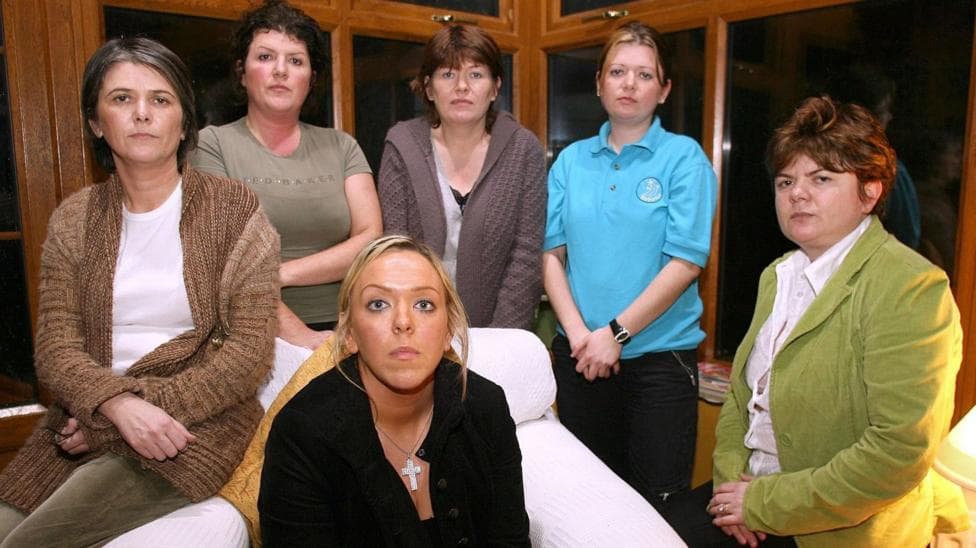
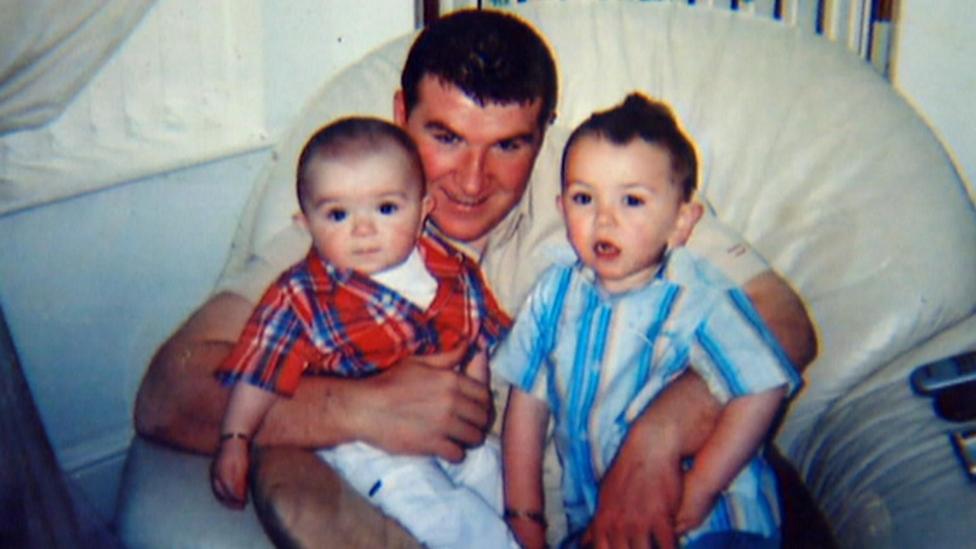
On a Sunday evening in January 2005, a brawl erupted inside a packed Belfast pub showing football on television. Bottles shattered, broken glass slashed across a man's throat, and the violence spilled into the street outside. One of the injured men named his attacker aloud, prompting hostile responses from those nearby. A knife flashed, leaving two people bleeding heavily on the pavement. Robert McCartney, a 33-year-old engaged father of two, had taken no part in the altercation according to available accounts, yet he became the victim who would never see justice served. Nearly two decades later, no one has been convicted for his killing—an outcome that reverberated internationally and now forms the subject of a new documentary series, Murder in Belfast: Sisters Seeking Justice, according to BBC News.
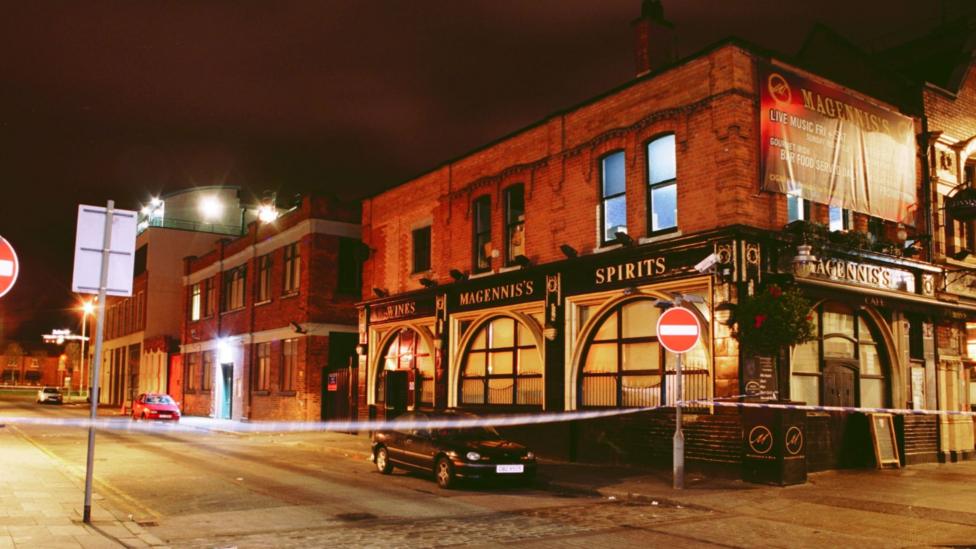
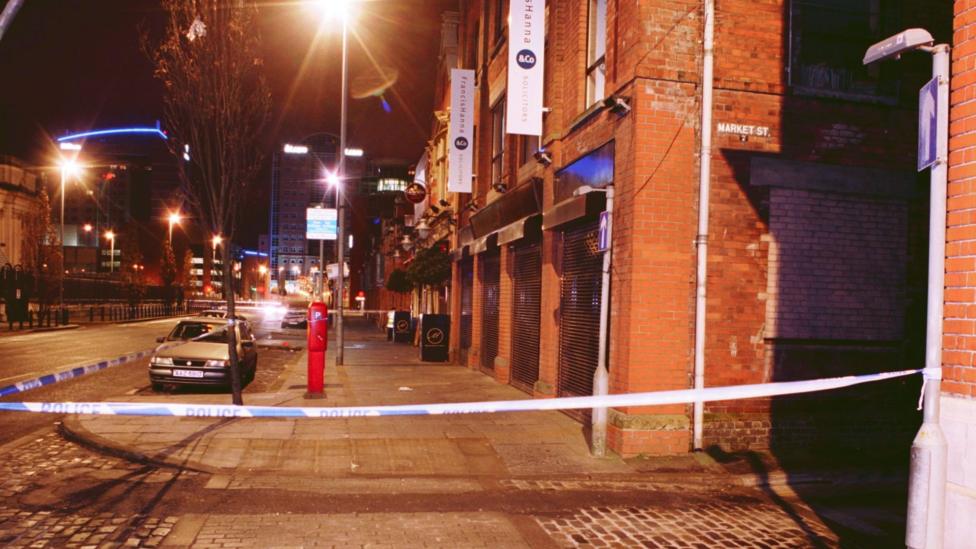
The failure to secure convictions traces directly to the organisation that wielded control over many people present that night. While paramedics treated McCartney on the street, his killers' associates were already erasing evidence. Inside Magennis's bar, situated directly behind the Royal Courts of Justice in central Belfast, the establishment's CCTV recording was seized and the premises were cleaned with bleach.
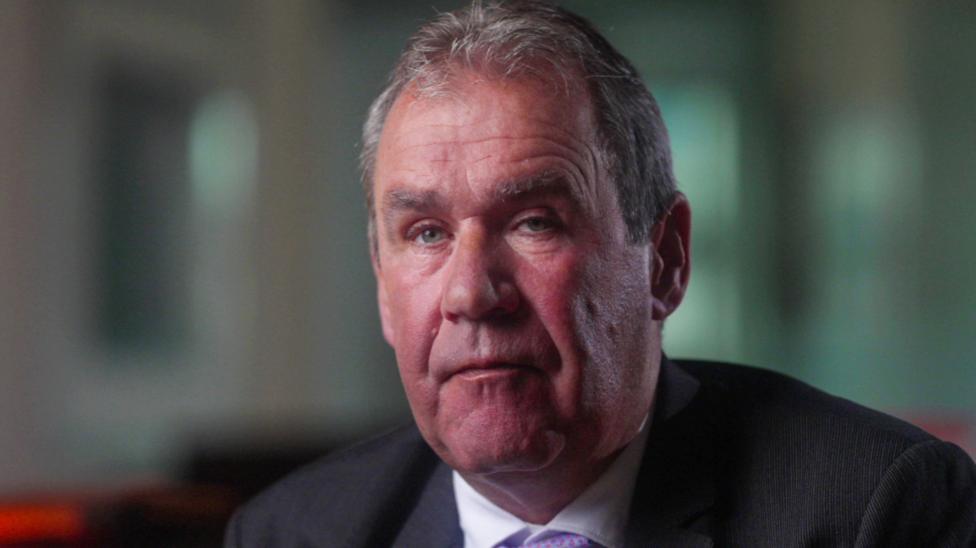
"It wasn't their first rodeo,"explained David Lowans, a former Police Service of Northern Ireland detective who investigated the case.
"They were experienced in clearing themselves forensically."
The documentary, produced by BBC Northern Ireland in partnership with Irish broadcaster RTÉ, obtained crime scene video and photographs documenting the incident's aftermath. Although the cleanup proved incomplete—police discovered some blood residue in sections of the bar—substantial forensic material had vanished. The murder weapon was never recovered and is believed to have been destroyed. Most significantly, potential witnesses had been silenced.
"Out of the 70 people who were in the bar, we got no information from anybody to say the detail of what happened,"Lowans stated.
"We either got: 'I was in the toilet' or 'I didn't see anything', which is unbelievable. Whenever this altercation took place there were lots of people there."
In the days following the murder, Robert's five sisters and his fiancée Bridgeen Hagans possessed even less information than police investigators.
"We were still completely in the dark as to what had happened,"recalled his sister Paula McCartney.
"Didn't know where it had happened, how it had happened, who'd done it. Nothing."However, rumours began circulating through their community.
"It was just people coming in and telling what they'd heard in the street and 'such and such was in the bar that night',"said another sister, Catherine McCartney.
"All the talk about who'd done it, who was involved."The information they gathered revealed why witnesses remained silent: the alleged attackers were said to be members of the Provisional IRA.
How did the IRA's involvement complicate the investigation?
The IRA had conducted a 30-year campaign of violence before observing a ceasefire as Northern Ireland's peace process solidified in 2005. Although the organisation issued a statement denying involvement in McCartney's death, this denial failed to reassure witnesses who feared lethal retaliation if they identified IRA members to authorities.
"I've been about these areas enough to know how dangerous this organisation can be when they want to be,"said Ed Gowdy, McCartney's friend and a witness recounting his experience on television for the first time.
"I do know exactly the treatment informers get throughout the years. If I tell what happened, am I an informer? My mate's dead, heartbreaking. But I had to survive what had happened here."
Gowdy was among several witnesses subsequently interrogated by the IRA, which conducted its own parallel investigation alongside police inquiries. Another witness, also questioned by the organisation, provides his first televised account of the bar incident for the documentary series.
How did the sisters transform a local tragedy into an international campaign?
The McCartney sisters emerged as the public face of a justice campaign that progressively attracted global attention. All five sisters participated in interviews for the series.
"It was my brother, and I just felt the world needs know... what has happened to him,"Paula explained.
"I think [it was] the way we came across on TV, down to earth, working-class women, standing up for justice,"said Gemma McCartney, the eldest sister.
"And doing something, breaking away from the old custom of not reporting these things to the police."
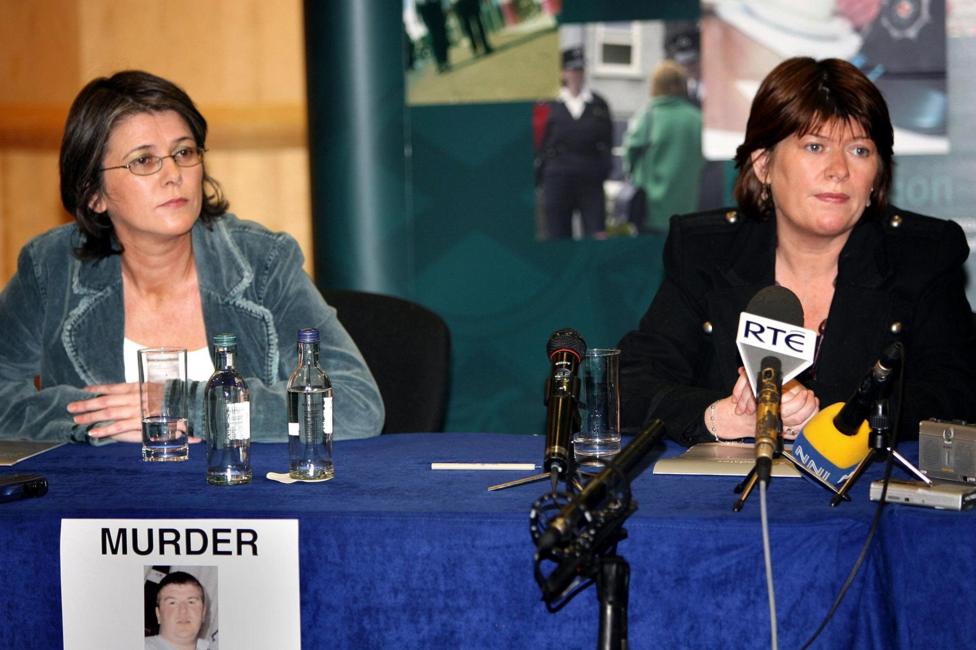
Their campaign achieved remarkable outcomes, compelling the IRA to acknowledge that several of its members participated in the murder—though the organisation maintained the killing was not sanctioned by the IRA itself. The IRA announced the expulsion of three members and claimed it had offered to execute them, a claim the McCartney sisters dispute.
What role did American diplomacy play in the campaign?
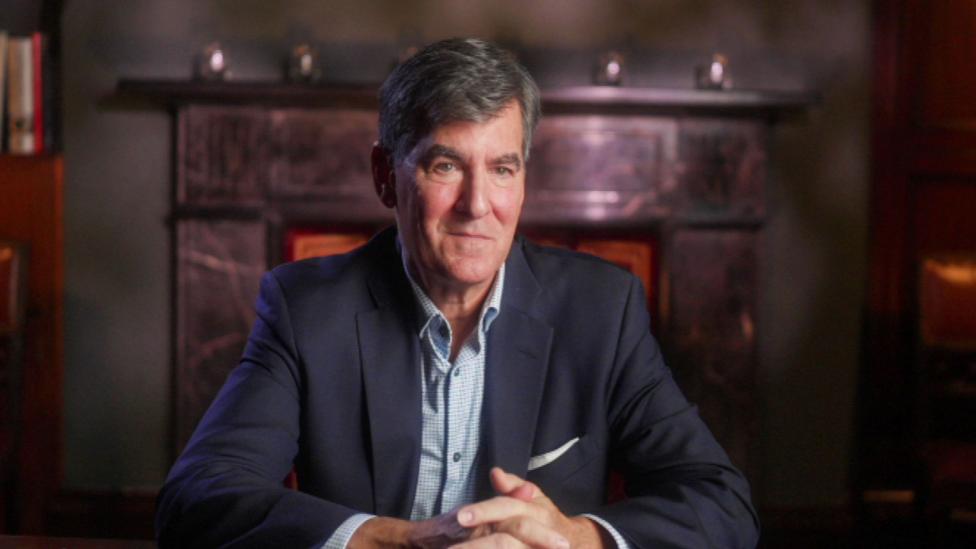
Mitchell Reiss, then serving as America's Special Envoy to Northern Ireland, recognised the campaign's potential to pressure the IRA into actions that would advance the peace process.
"Our feeling was that if the McCartney family was willing, and it didn't seem exploitative, that they would be a very attractive poster for the criminality, the vigilantism, the injustice, the rough justice that was taking place across republican communities by the IRA,"he explained. Just two months after Robert's death, the sisters and Bridgeen were invited to the White House for St Patrick's Day celebrations, where they met President George W Bush.
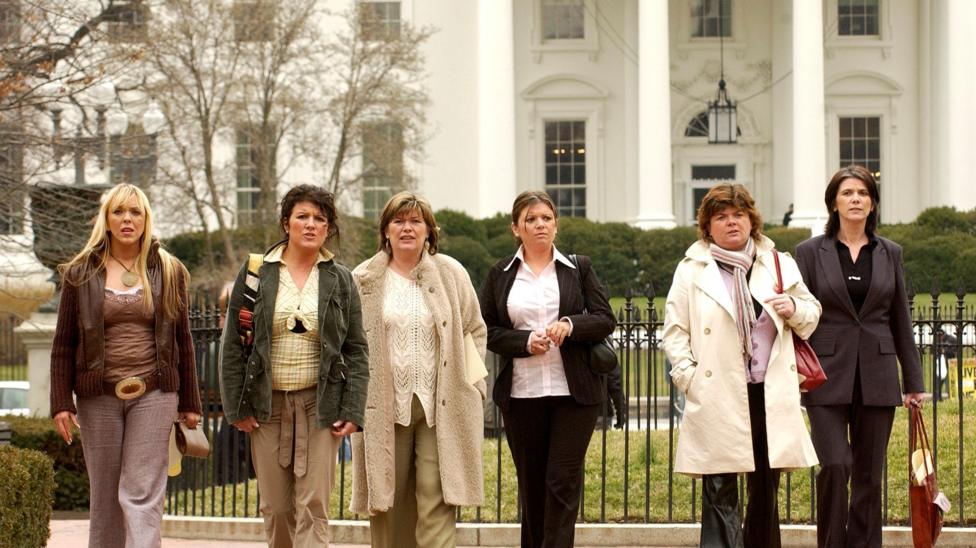
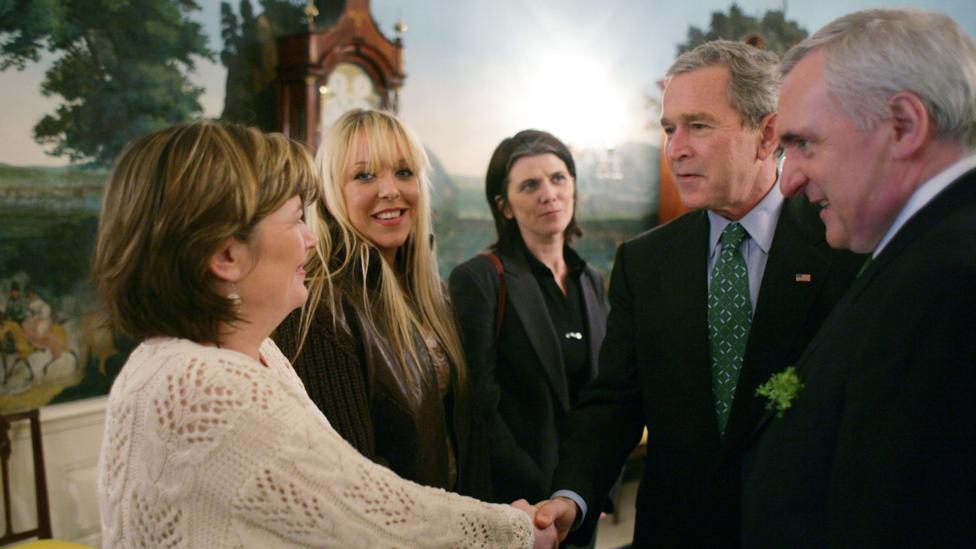
Northern Ireland politicians were deliberately excluded from the event—an omission widely understood as targeting the IRA's political allies in Sinn Féin. Reiss contends in the documentary that subsequent peace process developments, including the IRA's declaration ending its armed campaign, were
"a direct consequence"of the McCartneys' campaign. In a statement, then Sinn Féin president Gerry Adams attributed the peace process's completion to negotiations and amendments to policing and justice arrangements.
Following these diplomatic advances, media focus on the McCartney sisters' campaign diminished. Yet their pursuit of justice persisted. In 2008, three men faced trial; according to court records, Terence Davison was found not guilty of McCartney's murder, while two other men charged with affray were also cleared. The documentary employs original court materials to reunite two key witnesses and the McCartney sisters with the dramatic evidence presented during that trial.
When will the documentary air?
Murder in Belfast: Sisters Seeking Justice will premiere on RTÉ One on Tuesday 27 October 2026 from 22:15 to 23:25. The series will also broadcast on BBC Two on Wednesday 28 October 2026 at 9pm, with all episodes available on BBC from that date. The programme runs 70 minutes and represents a significant opportunity for viewers to examine how a family's determination for accountability influenced both local justice efforts and international diplomatic engagement during a critical moment in Northern Ireland's history.