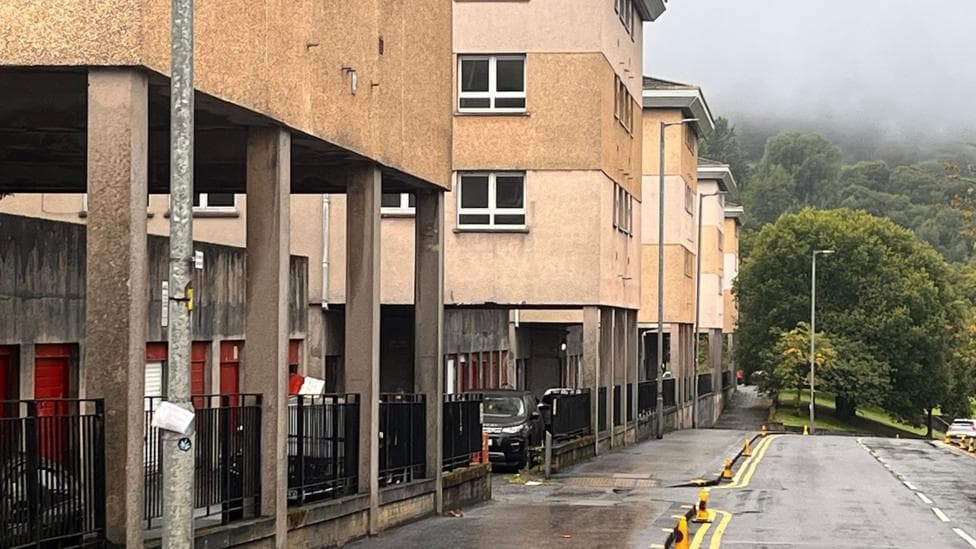
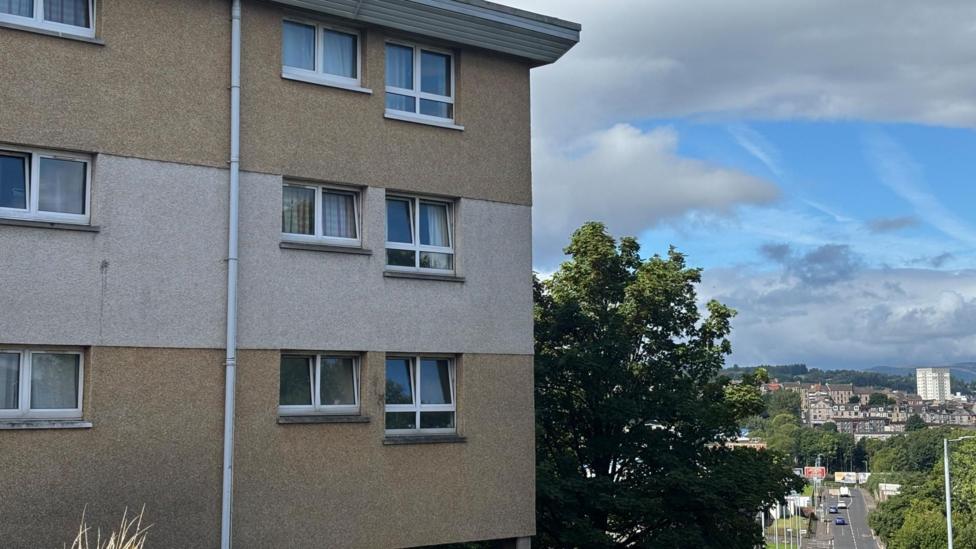
Seven blocks of flats in Greenock face demolition after being found to contain reinforced autoclaved aerated concrete (Raac), a material that housing authorities across the UK have identified as a serious structural risk. River Clyde Homes (RCH), which manages the properties on Belville Street known locally as The Stilts, has confirmed the four-storey blocks must be knocked down. The Health and Safety Executive (HSE) has warned that Raac is now beyond its design lifespan and could "collapse with little or no notice".
The mid-1960s buildings house dozens of residents, some of whom own their homes while others rent. Raac was first identified in five of the blocks during 2024. Most tenants have already been relocated, and RCH has invited residents to a meeting scheduled for Tuesday evening to discuss next steps.
In a letter to residents obtained by the Greenock Telegraph, RCH stated:
"Ultimately, RCH wishes to establish a wider regeneration plan for the Belville Street area with all stakeholders and partners. Unfortunately, that regeneration plan cannot include the retention of the affected Belville Street blocks."The housing association indicated it would
"explore potential solutions" to support the owner-occupiers in the block.
The Belville Street properties occupy a distinctive position in Greenock's landscape. The flats were constructed using an unusual design adapted to the steep hillside terrain, with the front section elevated by concrete pillars and garage space positioned beneath the residential units. Inverclyde Council transferred its entire housing stock to River Clyde Homes in 2007 and no longer owns any of these properties.
A spokesperson for RCH described the situation as
"an extremely difficult and unsettling situation"and confirmed that
"following extensive technical assessments and consideration of all available options, we have written to those affected and are meeting with residents to ensure they have the opportunity to discuss the issues raised, and for us to answer questions directly."The organisation stated it was collaborating with Inverclyde Council and other partners, noting:
"We recognise the pressures on housing locally and will continue to work constructively with all agencies to support residents throughout this process."
The Belville Street demolition is part of a broader pattern affecting UK housing stock. Demolition has begun on more than 500 Aberdeen properties found to contain hazardous Raac material, representing a phased, multi-year programme estimated to cost over £150 million. The scale of the Raac problem has prompted significant regulatory attention, with Scotland's housing regulator publishing an updated engagement plan for River Clyde Homes in July 2026.
What is Raac and why is it dangerous?
Raac stands for reinforced autoclaved aerated concrete, a lightweight material deployed primarily in flat roofing but also in floors and walls between the 1950s and 1990s. The material offered cost advantages over standard concrete, being cheaper to manufacture and faster to install. Its cellular structure—aerated like an Aero chocolate bar—made it easier to work with on construction sites.

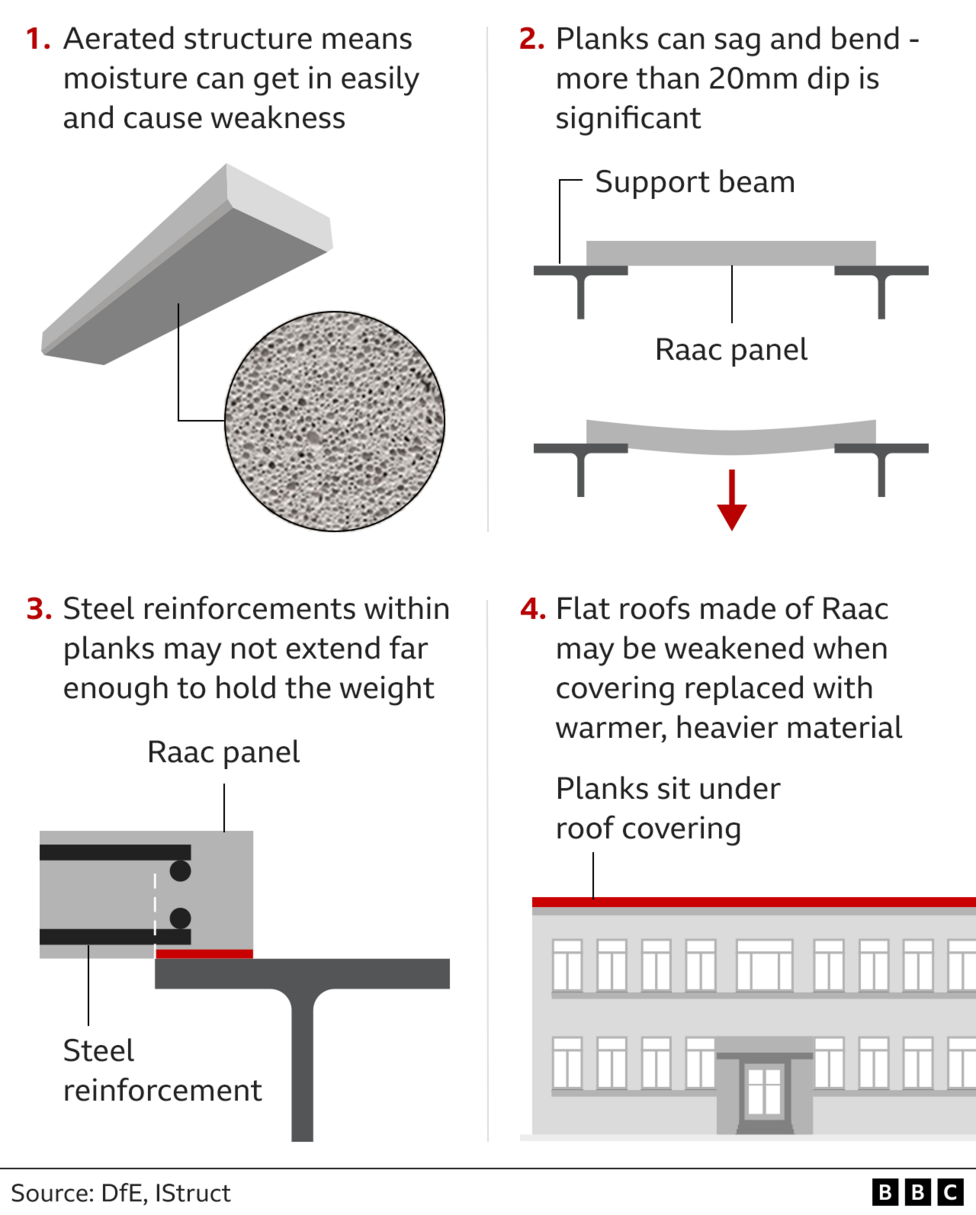
However, Raac's structural durability is significantly compromised compared to traditional reinforced concrete. The material has a design lifespan of approximately 30 years, and its aerated composition makes it susceptible to moisture penetration. When water enters the material, the steel reinforcement bars (rebar) inside can corrode, rust and lose structural integrity. The bubbles within the concrete allow moisture to travel through the material more readily than in solid concrete.
To mitigate these vulnerabilities, Raac is typically coated with protective materials such as bitumen on roofing panels. Yet these protective coatings themselves degrade over time, leaving the underlying material exposed. The HSE has determined that Raac structures are now beyond their intended lifespan and pose an unacceptable risk, capable of sudden failure with minimal warning.
How does Belville Street fit into the wider Greenock regeneration?
The demolition of the Belville Street flats occurs within a larger infrastructure transformation affecting central Greenock. Belville Street is currently being used as the main diversion route for the Bullring roundabout and A78 High Street flyover works, with restrictions on parking, loading and unloading in place until January 2028. This temporary traffic arrangement has created additional pressures on the area, with Inverclyde Council introducing school crossing patrollers at the junction of Ratho Street and Belville Street to manage increased vehicle volumes.
The council's traffic modelling predicts elevated vehicle numbers on surrounding roads, though no additional pedestrian crossings are currently planned beyond monitoring the situation. The diversion route restrictions extend across multiple streets including Belville Avenue, Carwood Street, East Crawford Street, St Lawrence Street, Ingleston Street and Ratho Street. These roadworks form part of a wider regeneration project aimed at removing ageing infrastructure, including the A78 High Street flyover, Oak Mall's eastern section and the Bullring Roundabout itself.
What support is available for affected residents?
RCH has committed to working with residents throughout the demolition process and has specifically pledged to explore support options for owner-occupiers affected by the decision. The housing association is engaging with Inverclyde Council and other stakeholders to coordinate the response. Most tenants have already been rehoused, reducing the immediate displacement burden, though the situation remains unsettling for those with financial or emotional investment in the properties.
The meeting scheduled for Tuesday evening represents the first formal opportunity for residents to raise concerns directly with RCH management and seek clarification on compensation, relocation assistance and timelines for demolition.
What happens next?
RCH has indicated its intention to develop a comprehensive regeneration plan for the Belville Street area in consultation with all stakeholders and partners. The demolition of the seven affected blocks will be a precursor to this wider redevelopment strategy. The Bullring roundabout and High Street flyover closures are scheduled to remain in place for 63 weeks from 3 August 2026, with the diversion restrictions lasting until January 2028, meaning the area will continue to experience significant traffic disruption during the period when demolition and planning discussions take place.
Key Facts
- Seven blocks of flats on Belville Street in Greenock will be demolished due to the presence of Raac concrete, which the Health and Safety Executive warns could collapse with little or no notice
- Raac, used in construction between the 1950s and 1990s, has a design lifespan of approximately 30 years and deteriorates when exposed to moisture, allowing reinforcement bars to rust and weaken
- Most tenants have already been relocated, though some residents are homeowners who will require support from River Clyde Homes
- The demolition is part of a broader UK pattern, with over 500 properties in Aberdeen also facing demolition due to Raac contamination in a programme estimated to cost more than £150 million
- Belville Street currently serves as a diversion route for major roadworks on the Bullring roundabout and A78 High Street flyover, with traffic restrictions in place until January 2028