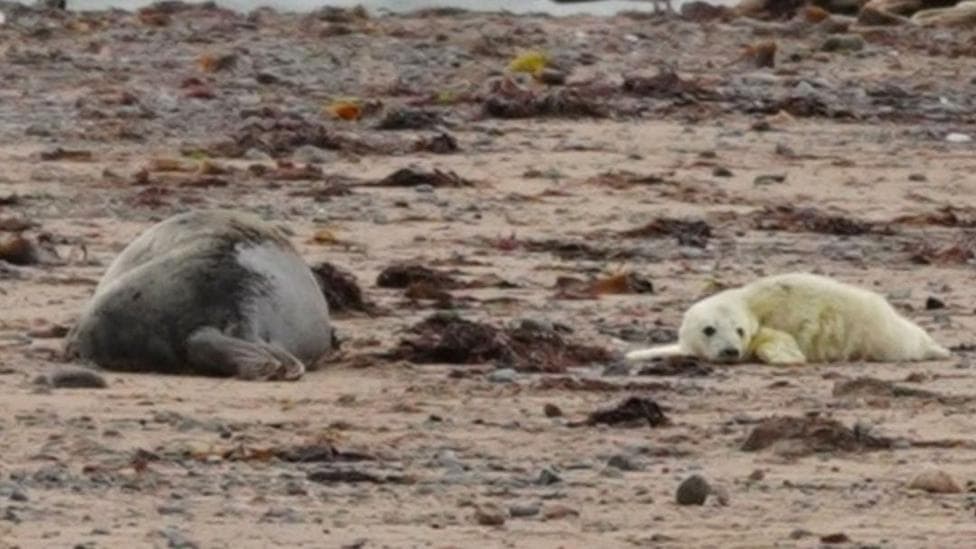
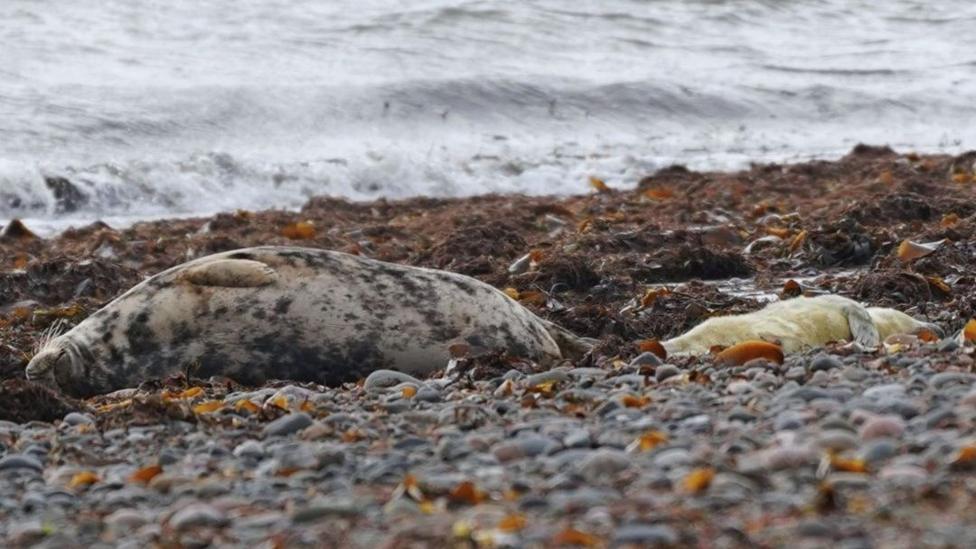
Two healthy seal pups have been recorded at South Walney Nature Reserve near Barrow, marking the 12th year in succession that breeding has occurred at the site. The sightings represent the start of what conservationists hope will be a successful pupping season, following the loss of two earlier pups during the summer months.
According to BBC News, Cumbria Wildlife Trust confirmed the pups' presence during routine seal counts at the reserve, which hosts Cumbria's only breeding grey seal colony and serves as a major haul-out site where seals rest on shore.
The discovery comes as part of a broader conservation success story. Cumbria Wildlife Trust's update dated 14 October 2026 confirms the pups were recorded during routine counts, with the local report published on 15 October 2026. The colony's growth has been remarkable: the first two pups were born at South Walney in November 2015, followed by five in 2016 and ten in 2017, according to Inside Ecology.
How many pups have been born in recent years?
A record 14 seal pups were counted at the nature reserve during the previous season, with the trust expressing optimism about further increases. The two pups spotted this season are the first healthy ones recorded during the current pupping period, though two others were observed earlier in the summer but did not survive.
Marine conservation officer Beth Churn stated:
This is always an exciting time of year for us, and we hope that there'll be many more to come. We regularly reach double figures of pups, a trend that's been improving each year, so let's hope this season is a successful one for the colony.
What does the population trend show?
The overall seal population at South Walney has grown substantially. The highest number of grey seals recorded to date at the reserve was 563 in December 2024. Previous peak counts were 518 in 2021, 483 in 2019 and 360 in 2018, demonstrating a consistent upward trajectory year on year. Grey seals began breeding at South Walney in 2015, and pups have been documented every year since that initial breeding event.
The trust's management practices have been central to this recovery. Churn explained:
It's the result of concerted and ongoing efforts to keep disturbance of the seal colony to a minimum. We work hard to make the beach safe and secure for the seals, so that they feel able to return here to breed.
The reserve's approach reflects broader concerns about human disturbance affecting marine wildlife. Similar issues have emerged elsewhere: Thames Seal Watch has urged the public to maintain distance from seals as sightings increase along the river, warning that seals can bite and carry diseases, while disturbance can cause fatal stress.
How can visitors safely observe the seals?
Public access to the haul-out site itself is restricted, but three viewing hides positioned around the site allow people to observe the seals from a safe distance. A new hide at Groyne is currently under construction and will be equipped with a telescope for enhanced viewing. The Trust's reserve page, updated 17 October 2026, indicates the replacement Groyne Hide is expected to open in time for the seal pupping season, though the site is currently closed for a few weeks during construction.
Cumbria Wildlife Trust is asking visitors to maintain at least 100 metres (328 feet) distance from the seals at all times. Churn advised:
You can get good views of the seals with binoculars from a safe distance, so there's no need to get too close. You'll know if you're too close because the seals will start to look at you and move nervously. If this happens, you should immediately start backing away quietly to avoid further disturbance.
What happens next?
The trust will continue monitoring the colony throughout the pupping season. The completion of the new Groyne Hide will provide enhanced viewing opportunities for the public while maintaining protective distances from the breeding seals. Conservationists remain hopeful that the 2026 season will add to the colony's success, building on more than a decade of consistent breeding at the reserve.
Key Facts:
- Two healthy seal pups have been spotted at South Walney Nature Reserve, marking the 12th consecutive year of breeding at the site
- A record 14 pups were recorded in the previous season, with peak seal counts reaching 563 individuals in December 2024
- The colony began breeding in 2015 and has shown consistent population growth, with counts rising from 360 in 2018 to 563 in 2024
- Visitors must maintain a minimum 100-metre distance and can observe seals from three designated hides, with a new telescope-equipped hide under construction
- The reserve's success reflects decades of conservation management, with formal volunteer surveys beginning in the mid-1990s after the Trust took over management in 1963