

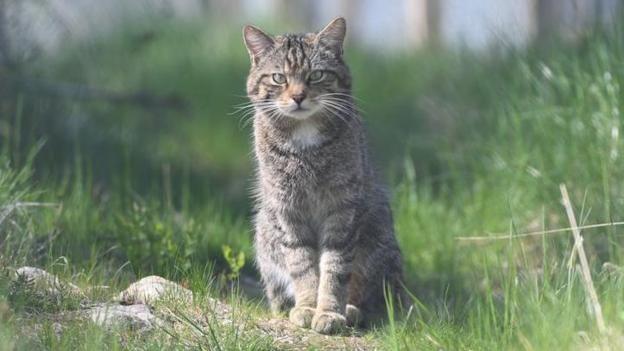
A Scottish wildcat named Sully has become the first of her kind recorded swimming in the wild, according to the conservation initiative Saving Wildcats. The female, bred in captivity in 2022 and released in 2024, was spotted by a group of friends canoeing on the River Spey earlier this summer, in a sighting the project says has never before been documented.
Sully was identifiable thanks to a GPS radio collar fitted as part of the tracking programme run by Saving Wildcats, which involves the Royal Zoological Society of Scotland (RZSS). The animal was released into the Cairngorms National Park as part of ongoing efforts to rebuild the wild population of Scottish wildcats, which are among the most threatened mammals in the country.
The sighting was first made by Craig Porter, who was canoeing with friends David McKillop and Will Walter. The pair went on to capture video and photographs of the wildcat swimming, material that Saving Wildcats says has helped deepen understanding of how the animals behave in their natural habitat.
What has changed since the sighting?
The swimming sighting is not the only milestone the project has reported recently. According to an update posted by the Royal Zoological Society of Scotland on 11 August 2026, Saving Wildcats has also recorded what it calls a world-first: the birth of a wildcat kitten captured on camera. Separately, a page published by Highland Wildlife Park states that public sightings, GPS collar data and camera-trap footage together confirmed that five released females, including Sully, have produced litters in the wild.
How does this fit into the wider project?
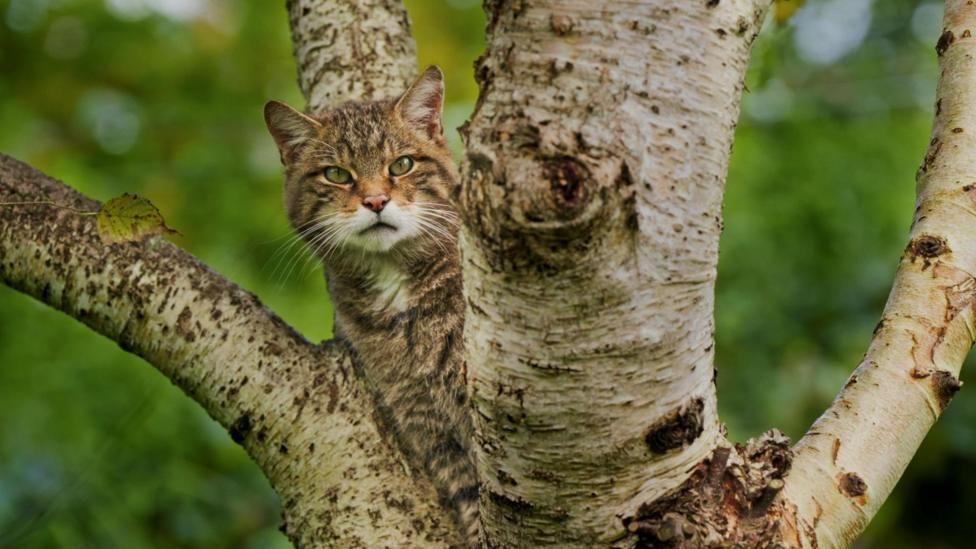
Saving Wildcats has spent three years breeding and releasing wildcats in an attempt to reverse the species' decline, with animals bred in captivity at Highland Wildlife Park near Aviemore before being released into the Cairngorms. The park favours the woodland terrain found across the national park, which offers cover and prey suited to the species' hunting habits.

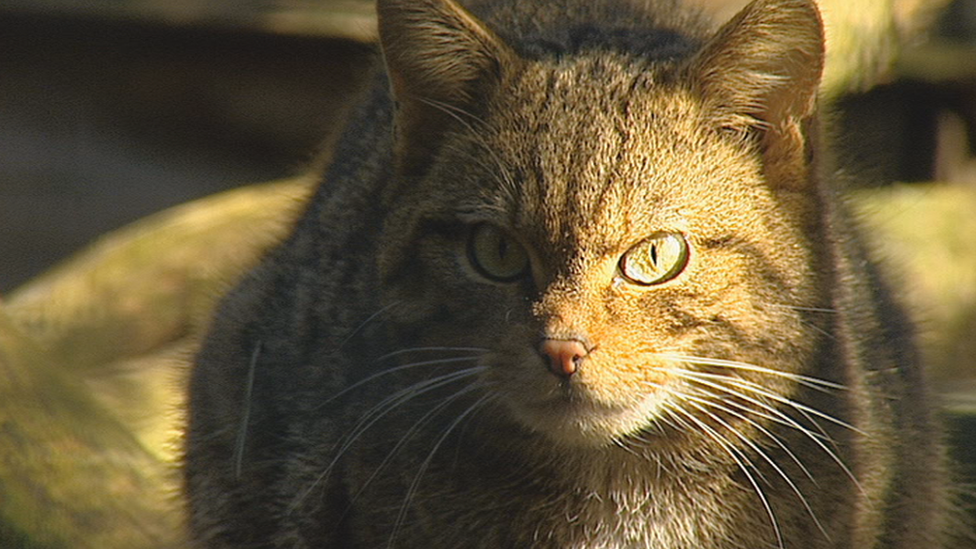
A report published in December 2025 concluded that the project had been highly effective in helping to grow the wildcat population in the Cairngorms. A separate study, published in the IUCN's Cat News journal and examining the project's first year, found that all but one of 19 released cats survived their first ten months in the wild. Two kittens later died after the research period had ended - one struck by a vehicle and the other from starvation.
In a related development elsewhere in Scotland, conservationists recently reported that Glen Affric in the Highlands had seen its first wild-born beavers in more than 400 years, after at least two kits were born at Loch Beinn a Mheadhoin, as detailed in our earlier coverage of the beaver births. Both cases reflect a broader pattern of species reintroduction and recovery efforts taking hold across the Scottish Highlands.
Why are wildcats under threat?
Scottish wildcats are physically distinct from domestic cats, being stockier and more muscular, with longer legs and a larger, broader head, according to the Scottish SSPCA. Nicknamed the Highland Tiger, they have a reputation for being impossible to tame. Their numbers have fallen sharply due to loss of habitat and collisions with road traffic, while interbreeding with domestic cats and the spread of diseases from domestic cats pose additional serious risks to the species' survival.
In 2018, a major scientific assessment concluded that the Scottish wildcat was functionally extinct in the wild, a finding that helped spur the creation of dedicated breeding and release programmes such as Saving Wildcats.
What happens next?
According to Saving Wildcats' own website, the project's next major delivery phase is scheduled to run from October 2026 to March 2028, meaning further releases and monitoring work are expected over the coming two years. Forestry and Land Scotland has also encouraged members of the public to report any wildcat sightings to a national database, saying such reports help support ongoing conservation work.
The confirmation of wild litters, the newly filmed birth, and now the first recorded swimming sighting together suggest that the released wildcat population is not only surviving but establishing natural behaviours in the wild, a development conservationists will be watching closely as the project enters its next phase.


