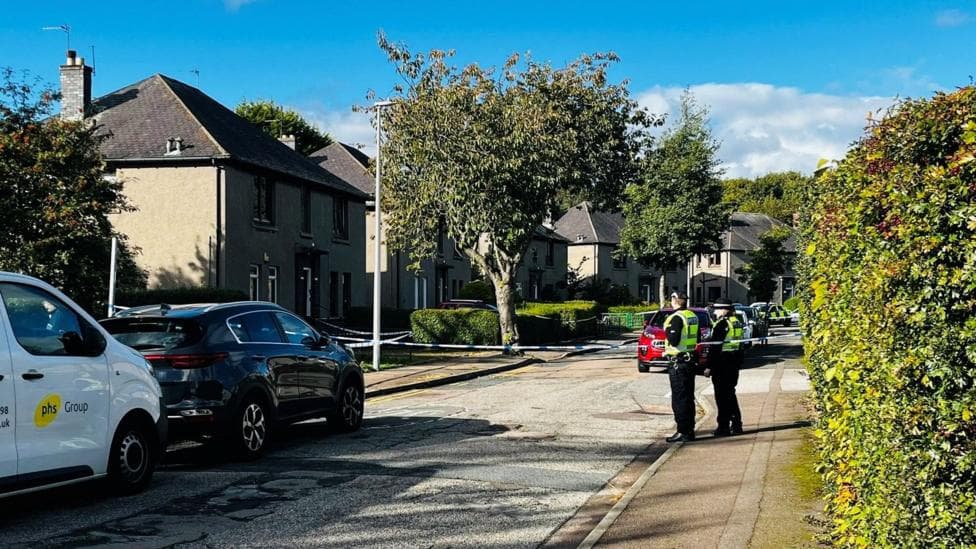
The head of Scotland's police inspectorate has urged ministers and police chiefs to adopt live facial recognition technology and drone surveillance in an effort to curb violence linked to football matches. HM Chief Inspector of Constabulary in Scotland (HMICS) Craig Naylor made the call in his annual report, pointing to repeated disorder around fixtures between Celtic and Rangers as evidence that current measures are failing. He argued that tighter restrictions on attendance and stronger enforcement of banning orders should accompany any new technology.
Naylor singled out the scenes at Ibrox in March, when rival supporters had to be kept apart by officers after the final whistle of a Scottish Cup match between Rangers and Celtic, as symptomatic of a wider problem.
"Elements such as restricting the number of fans allowed to attend matches, banning orders with more rigor, requirements to use modern technologies such as facial recognition to prevent the attendance of banned individuals should all be explored and enacted to ensure that this behaviour is stopped."
What exactly is being proposed?
Naylor's recommendation centres on two tools already used elsewhere: live facial recognition cameras that can scan crowds for banned individuals in real time, and aerial drones that could give police a wider view of fan movements around stadiums. He suggested these should sit alongside harsher enforcement of existing banning orders and possible caps on ticket numbers for high-risk fixtures. Live facial recognition has already been deployed by police forces south of the border at football matches, though Police Scotland has never used it and is instead running a public consultation on whether and how it should be introduced.
Why has this become urgent now?
The push for new technology follows a turbulent end to last season's Scottish Premiership. Disorder marred the Scottish Cup quarter-final between Celtic and Rangers at Ibrox on 8 March 2026, and further trouble broke out in May when Celtic clinched the league title against Hearts.
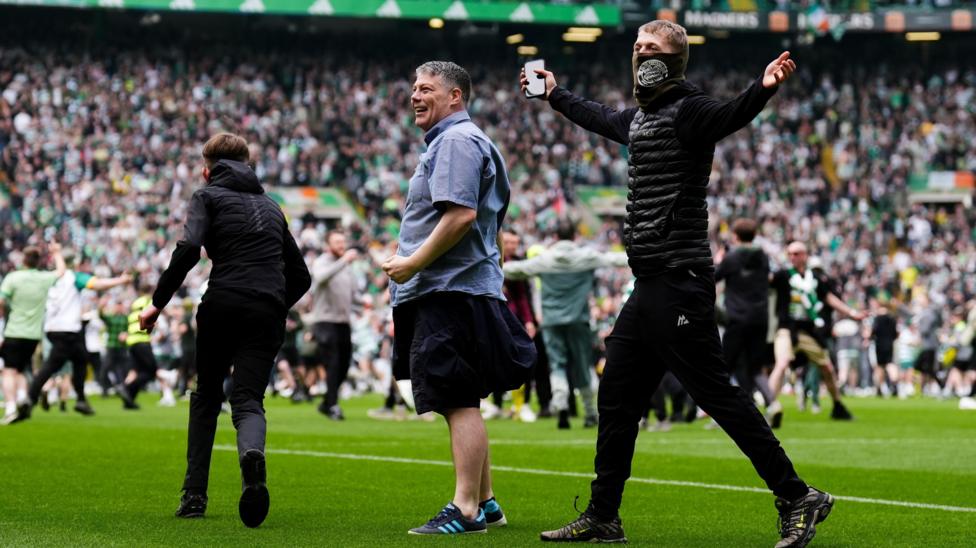
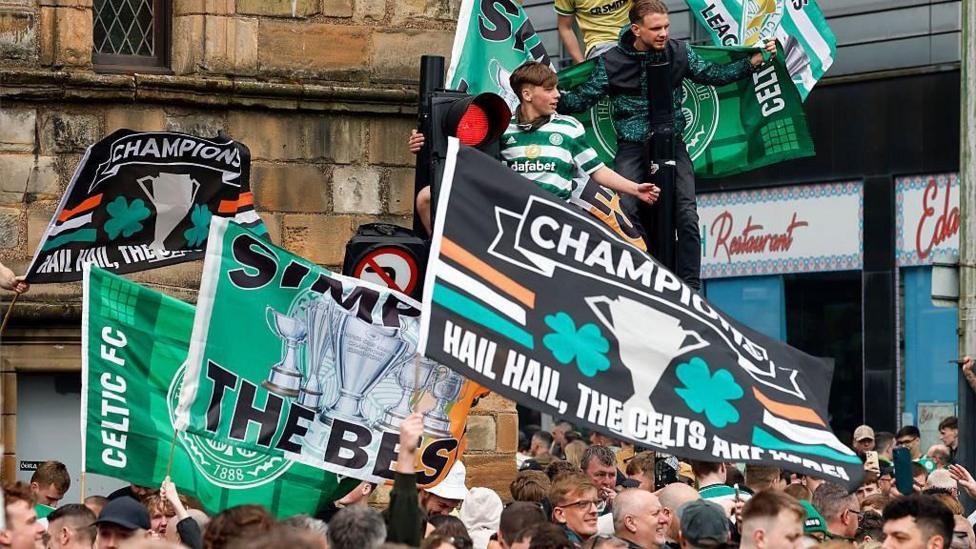
Later that same day, roughly 3,000 Celtic supporters gathered in the Trongate area of Glasgow to celebrate the title win, and the celebrations turned violent: two police officers were seriously injured and 14 arrests were made during the disorder in the city centre.
What has happened since the March disorder?
The Scottish Football Association's independent review into the events at Ibrox, led by consultant Mark Blackbourne, has now been completed and published, describing the incidents as "two near-miss incidents of the most serious kind" according to a Glasgow-based sports news outlet. That review builds on the inquiry Blackbourne was appointed to lead in April, which examined the planning, operation and delivery of safety, security and medical provision before, during and after the fixture, as detailed in an earlier report on the appointment of the consultant to investigate the Old Firm disorder. A subsequent report also found that the review had prompted calls for tougher sanctions against both clubs, as covered in our piece on the independent report demanding stronger action after the Old Firm disorder. Both Rangers and Celtic have since been charged by the Scottish FA over the violence, with disciplinary hearings scheduled for 13 August, as reported in our coverage of the charges brought against Celtic and Rangers following the Ibrox quarter-final.
In response to the review's findings, Rangers said they had introduced a supporter conduct and sanctions policy and had already taken action against individuals identified through police investigations and other evidence, according to a report by a Scottish tabloid. Police Scotland's investigation into the March disorder has grown substantially since it began, with the force confirming 37 arrests linked to the incident by the time of a later national broadcaster's report, up from 20 arrests recorded in April after two further arrests were announced by police. Separately, officers investigating the violence that followed Celtic's title celebrations in May have released images of 28 fans they wish to identify, as set out in our earlier article on the release of images following disorder at the Celtic title party.
How has the facial recognition proposal been received?
Police Scotland's Assistant Chief Constable Tim Mairs defended the principle of adopting new technology, while stressing that safeguards would be needed.
"We have a duty to use new technologies to safeguard our communities."
"New technologies can offer transformative opportunities for modern policing, through supporting investigations and identification."
"We want people to recognise both the value of new technologies and be confident that Police Scotland has the right governance and the right measures in place, and that consideration and implementation of new technologies reflects our commitment to human rights, ethical oversight, and transparency."
Civil liberties campaigners have reacted with alarm. A spokesperson for Amnesty International UK dismissed the proposal outright.
"Facial Recognition Technology is a dangerous and discriminatory tool of surveillance that should be scrapped, not rolled out further across the UK."
The organisation pointed to what it described as repeated cases of harassment and false arrest linked to the technology's use in England and Wales, and warned of the wider consequences for Scotland.
"To move forward with FRT would bring about a historic shift in the relationship between the police and the public in Scotland and we want to see its use ruled out."
Paul Goodwin of the Scottish Football Supporters Association echoed those concerns, describing the proposal as reckless and calling instead for closer cooperation between authorities and supporters. He said officials should "instead focus on deepening co-operation with local fan groups and clubs in building a community safety approach."
A Scottish government spokesperson said decisions on deploying any new technology would remain an operational matter for police, but confirmed ministers intend to introduce legislation strengthening football banning orders as part of wider efforts to make matches safer for supporters and players. The Scottish Professional Football League and Scottish Football Association have been approached for comment.
What happens next?
Police Scotland and the Scottish Police Authority previously ran a public "Live Facial Recognition – National Conversation" consultation with the Scottish Biometrics Commissioner to gauge views on whether the technology should be used, though the force's separate biometrics strategy consultation says it is not yet formally seeking opinions on emerging facial-matching tools at this stage, according to Police Scotland's own consultation materials. Findings from that joint biometrics work were due to be considered by the SPA Forensic Services Committee earlier this year, with further progress updates promised. Separately, Police Scotland's Digital, Data and Technology Strategy for 2025-2028 remains open for public consultation until 27 August 2026. Meanwhile, further court appearances are expected for individuals charged over the March disorder at Ibrox, and the Scottish FA's disciplinary hearings against both Celtic and Rangers are due to take place on 13 August 2026.
Key Facts
- HMICS chief Craig Naylor has called for live facial recognition and drones to help police tackle football-related disorder in Scotland.
- Disorder followed both the March Scottish Cup quarter-final between Celtic and Rangers at Ibrox and Celtic's Premiership title win against Hearts in May 2026.
- Police Scotland's investigation into the March violence had reached 37 arrests, according to a national broadcaster, up from 20 confirmed in April.
- The Scottish FA's independent review, led by consultant Mark Blackbourne, branded the March incidents "near-miss" events of the most serious kind, with disciplinary hearings against both clubs set for 13 August 2026.
- Amnesty International UK and the Scottish Football Supporters Association have both opposed the facial recognition proposal on civil liberties grounds.