A primary school in Ballymena lost nearly a fifth of its pupils in the aftermath of racially motivated rioting that forced families to seek refuge in their vehicles and temporary hotel accommodation. According to BBC News, Harryville Primary School's enrolment plummeted from 235 pupils on the first day of the disorder to 120 the following day, with 41 children from migrant families never returning to the school.
The violence erupted in June 2025 following a planned peaceful protest in response to an alleged serious sexual assault in the County Antrim town. Attempted rape charges against two Romanian teenagers were withdrawn in November 2025 by the Public Prosecution Service. A comprehensive report into the impact of the unrest on young people has documented the severe consequences for schools, families and minority communities across the area.
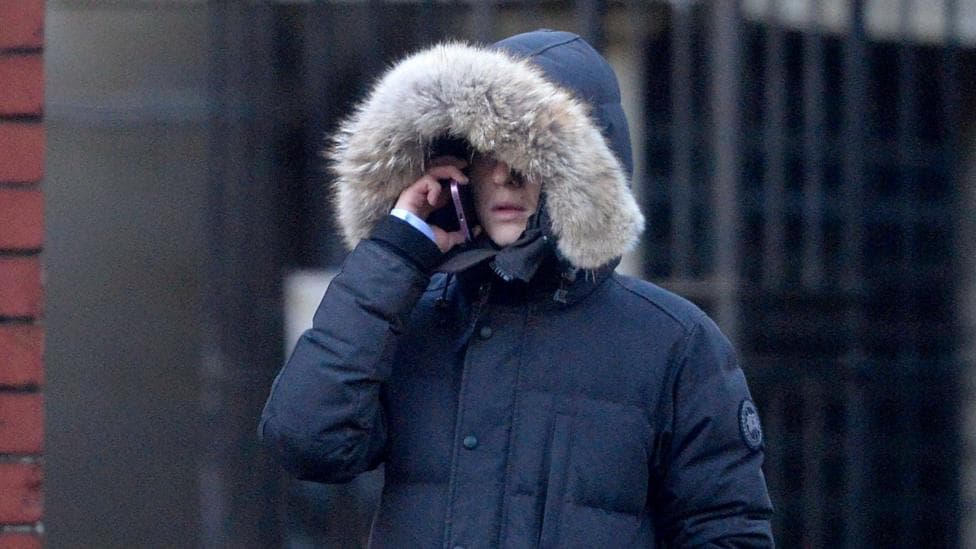
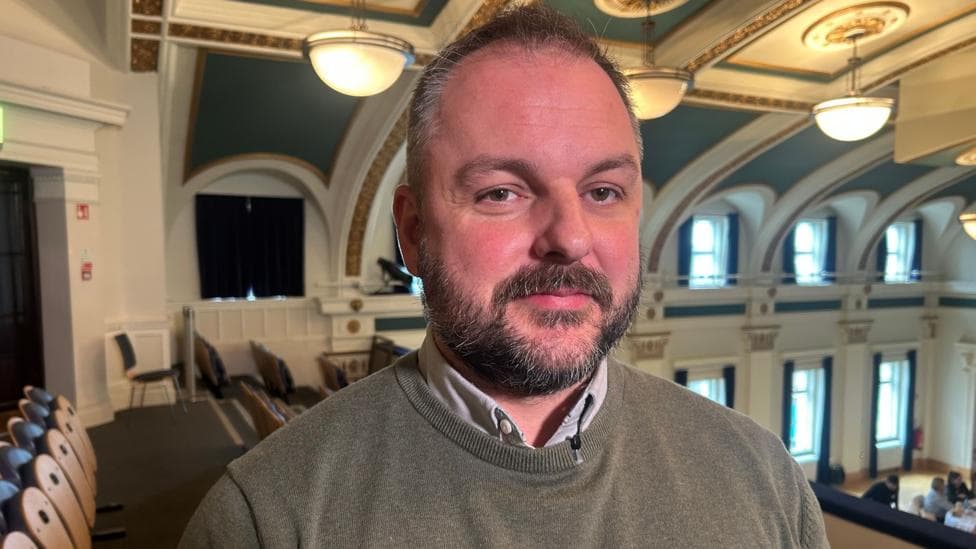
Principal Neil McCullough described the situation as entirely unfamiliar to the school's experience. Families arrived at the school the morning after the first night of rioting, recognising it as a sanctuary where their children could be protected.
"They didn't have anywhere else to go with the prospect of having nowhere to go again that evening, nowhere to stay, some of them had slept in their cars in car parks the night before due to the fear of what was happening on their streets."
The school was forced to arrange hotel accommodation for families who were too frightened to return home, paying for these arrangements from its own budget. According to the Irish News, staff members reported that the school never heard again from 23 of the 41 pupils who did not return.
How did the disorder affect children's wellbeing?
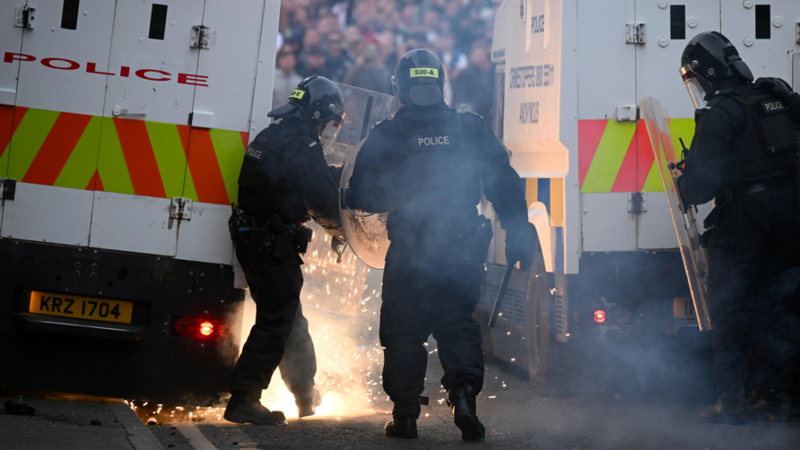
Children attending Harryville experienced profound disruption to their sleep and emotional security. McCullough explained that pupils were unable to rest due to the sounds of sirens and street violence, arriving at school exhausted and traumatised.
"Children were coming into school having not slept the night before, children were coming into school with fear from walking the streets, even coming to school."
The psychological toll extended to school staff, who bore the burden of supporting distressed children while maintaining a positive presence.
"That took a heavy toll on our staff because they were carrying that burden and being cheery and upbeat and using our trauma-informed approach to try to look after those children."
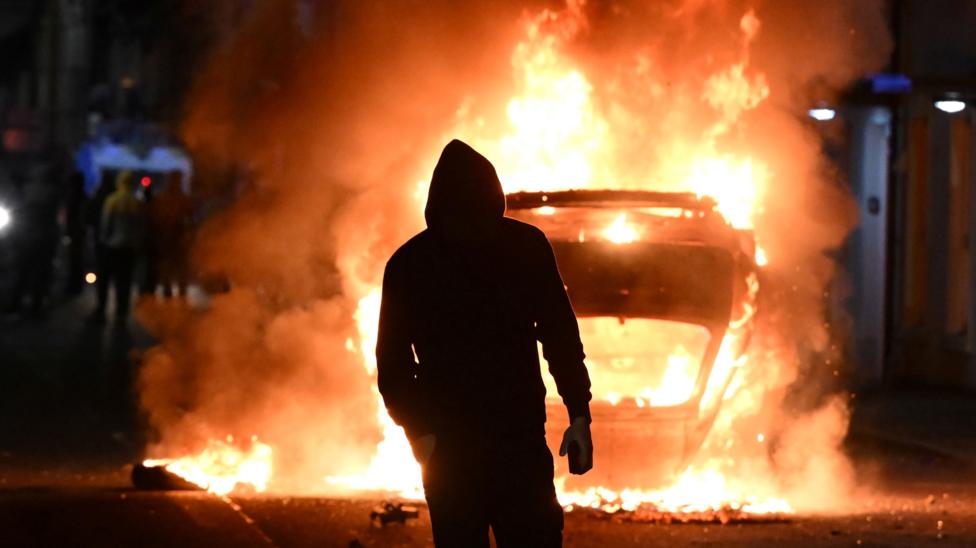
McCullough described witnessing attacks on pupils' homes directly.
"We were seeing the houses of our pupils being attacked, protests outside houses."The school responded by doing everything within its power to create a protective environment and help families secure temporary housing for the night.
What systemic failures did the report identify?
A new report titled Meeting, Mapping, Moving: Ballymena Recovering, published on 15 October 2026, has exposed significant gaps in institutional preparedness and support. The report, which consulted with people from minority communities about how their lives were disrupted, found that the Education Authority failed to provide guidance or support to Harryville Primary School during the crisis.
The Education Authority instructed the school to vacate the building by 18:00 BST due to statutory restrictions but offered no alternative accommodation or assistance. The report states:
"The school ultimately paid for hotel accommodation from its own budget. This is a damning indictment of institutional unpreparedness."
Respondents to the Inter-Ethnic Forum consultation described the experience in stark terms.
"Respondents described the terror of that night and the chaos that followed, with no clear pathway to safety and support arriving late or not at all for many families."
In response to criticism, the Education Authority stated that it had made a range of support available to schools in the area during the disorder, including Harryville, and that it supported pupils, families and staff while organising activities and programmes afterwards. McCullough acknowledged that the EA "did what they could" in what remained a "totally unprecedented situation."
What was the broader impact on the migrant community?
The disorder had devastating consequences that extended far beyond the school. According to Love Ballymena, an Inter-Ethnic Forum survey found that 76% of respondents no longer lived in Ballymena, and among those who had left, 90% said they did not intend to return.
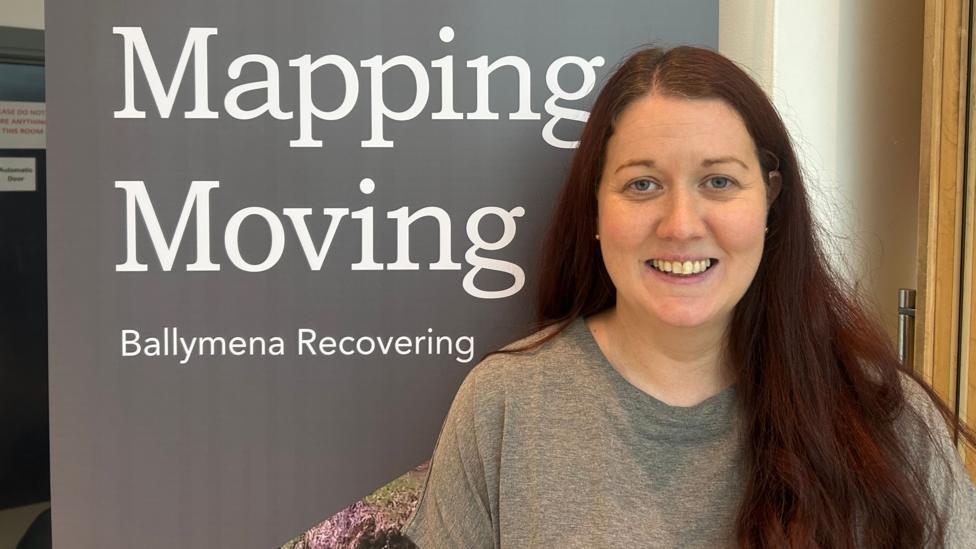
Lisa Mooney from Radius Housing, who helped bring the report together, emphasised that the trauma from the June 2025 unrest continues to affect the community.
"It's had a huge and devastating impact on children and young people."She stressed the importance of understanding what steps are needed to make the community more resilient should further unrest occur.
The report also identified social-media disinformation, particularly on TikTok, as having accelerated the disorder. Additionally, long-standing housing pressures—including poor conditions, absentee landlords and overcrowding—were identified as factors that had contributed to tensions before the violence erupted.
What work is being done with young people involved in the unrest?
Youth worker Kim Carson from Bytes, an organisation working with young people affected by the disorder, described the emotional state of those involved in the rioting.
"They just felt very angered and frustrated."She noted that many channelled their frustrations through participation in the unrest.
Following the disorder, Carson's team engaged in difficult conversations with young people to help them process their experiences and consider alternative perspectives. She emphasised the importance of providing a safe environment while also challenging their thinking.
"It was important to provide them with a 'safe space' but to also 'challenge what their thoughts were and give them other perspectives'."
What recommendations has the recovery report made?
The Meeting, Mapping, Moving: Ballymena Recovering report sets out 12 recommendations for recovery, including the appointment of a council-led recovery coordinator and the establishment of a minimum five-year recovery framework. Mooney highlighted the need for proactive community engagement to prevent future unrest.
"Creating a system where you're using local knowledge to identify tension early."
She stressed that prevention depends on building and maintaining relationships within the community and continuing that work consistently. McCullough described the report as demonstrating
"the power of relationships within community"and noted that it builds on the work already underway in Ballymena focused on shared vision and shared goals.
Key Facts:
- Harryville Primary School's pupil roll fell from 235 to 120 within one day, with 41 children never returning
- The school paid for hotel accommodation from its own budget after the Education Authority provided no alternative support
- An Inter-Ethnic Forum survey found 76% of respondents had left Ballymena, with 90% of those saying they did not intend to return
- The recovery report identifies 12 recommendations, including a council-led recovery coordinator and a five-year recovery framework
- Social-media disinformation on platforms including TikTok accelerated the disorder