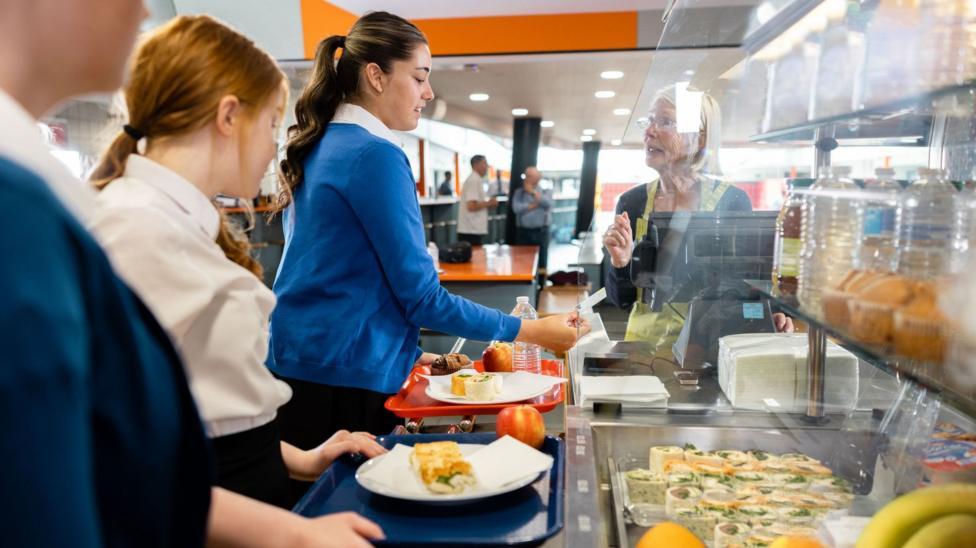
The Education Authority in Northern Ireland is raising school meal prices for the second time in a year, with charges for primary and special school pupils climbing by 30p and post-primary meals increasing by 15%. According to BBC News, this follows a near-20% increase introduced in January 2026, meaning families paying for meals at primary level will see costs jump from £2.60 to £3.40 since the start of the year.
Education leaders and children's advocates have expressed alarm at the cumulative effect on households already stretched by the cost of living crisis. The move forms part of a broader package of cost-cutting measures by the Education Authority, which faces what it describes as an exceptionally challenging financial position.
Áine Leslie, principal of Malone Integrated College in Belfast, warned that the successive increases will create severe hardship for families with multiple children in school. She described the emotional toll of making these decisions, recalling how she and her cafeteria manager had to determine price rises item by item during the earlier increase.
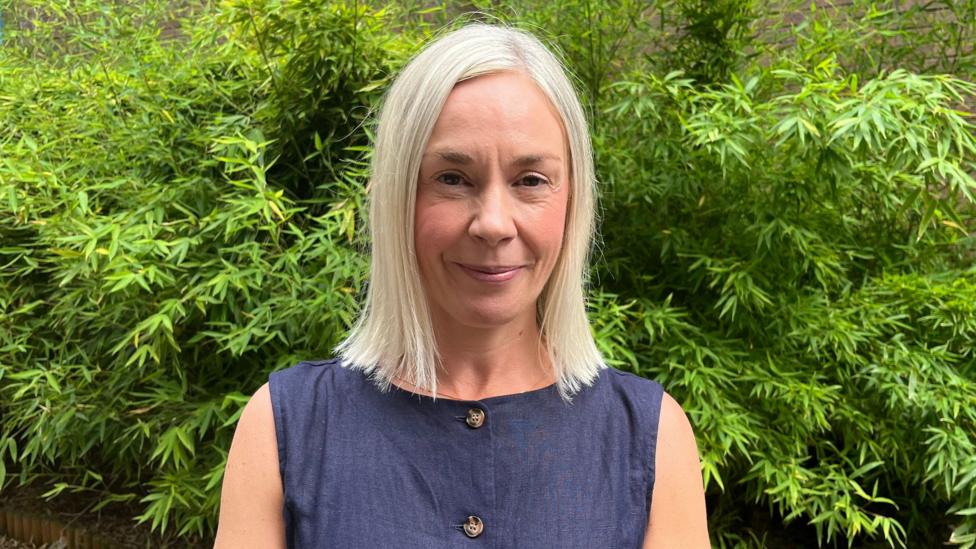
I think the cumulative effect of this will be immense, particularly families who have multiple children, both at a primary school and a post-primary school, and trying to make ends meet, it's going to become incredibly difficult.Leslie told BBC News NI that she fears some young people will avoid seeking help due to stigma, and that children are already discussing scaled-down Christmas plans with their families. She emphasised that inadequate nutrition represents a barrier to learning and that going without food will harm both physical and mental health.
At Malone Integrated College, approximately 55% of pupils qualify for free school meals, and many families are on lower incomes. Leslie expressed particular concern about the psychological impact on vulnerable students, saying
I firmly believe families are going to struggle at Malone.
Christos Gaitatzis, principal of Omagh High School, characterised the 15% increase for post-primary pupils as excessive. He noted that current price inflation stands at roughly 3–5%, making the Education Authority's rise approximately three times the standard rate.
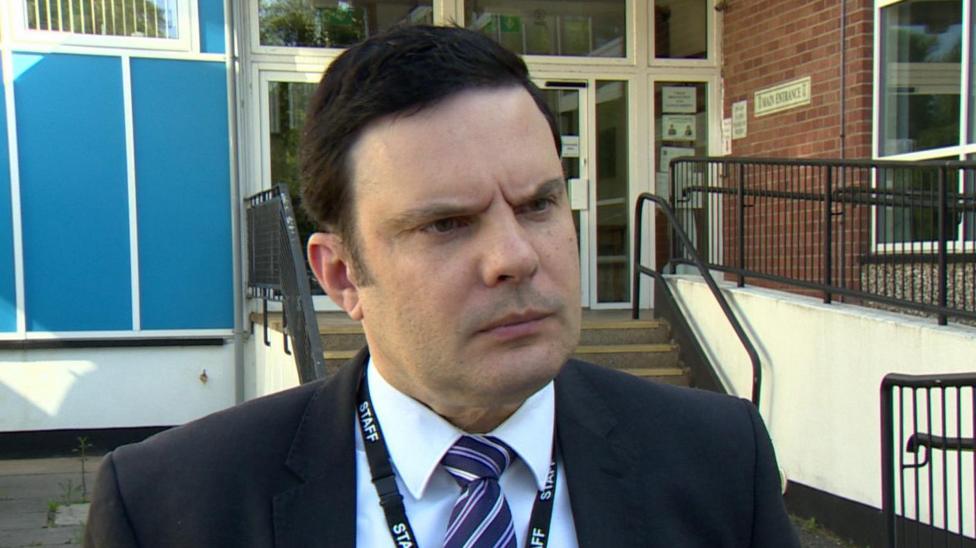
You would expect that the cost for a child every week, when a price of a meal is close to £5, we are talking about £20 a week, £100 a month – that's a significant cost for lunch.Gaitatzis warned that families may resort to packed lunches to manage costs, potentially compromising nutritional quality. Nearly 30% of pupils at his school receive free meals, and he stressed that pricing barriers discourage families from accessing the balanced nutrition that schools provide.
The Education Authority has stated that even after the increase, parent charges remain substantially below the actual cost of producing meals. According to reporting on the authority's announcement, the average production cost stands at £5.28 per meal, with revised charges set at £3.30 for nursery and pre-school meals and £3.40 for primary and special school meals. Pupils eligible for free school meals will not be affected, and the free-meal allowance for eligible post-primary pupils will increase to reflect the new cafeteria prices.
Why is the Education Authority making these changes?
The authority is attempting to address a severe funding shortfall by implementing multiple cost-reduction measures. Beyond meal price increases, the authority plans to replace baked desserts with cheaper alternatives on some school menus. The Education Authority's wider savings plan includes a further £20m in reductions, after £30m in cuts already made this year, and headteachers have been told that spending approval will be limited to essential items.
The authority is also reviewing milk subsidies currently provided to around 500 schools and will seek alternative funding from the Department of Agriculture, Environment and Rural Affairs. Additionally, the authority plans to offer more parents direct payments for transporting children to school rather than funding private taxi services. Charges for Education Authority music lessons are set to rise, and some school-based schemes will no longer receive funding, though the authority has not specified which programmes are at risk.
In a statement, the Education Authority acknowledged that
we were being asked to deliver important services to children and young people with insufficient funding.The authority said it hoped to save £20m through these measures on top of the £30m already saved this year, and noted that operational costs such as energy provision for schools continue to rise.
What do children's advocates say?
Chris Quinn, Northern Ireland's commissioner for children and young people, expressed strong opposition to the increases. He stated he was
flabbergastedat the decision, particularly because it follows guidance directing schools to reduce heating and encourage occupants to wear warmer clothing rather than adjust thermostats.
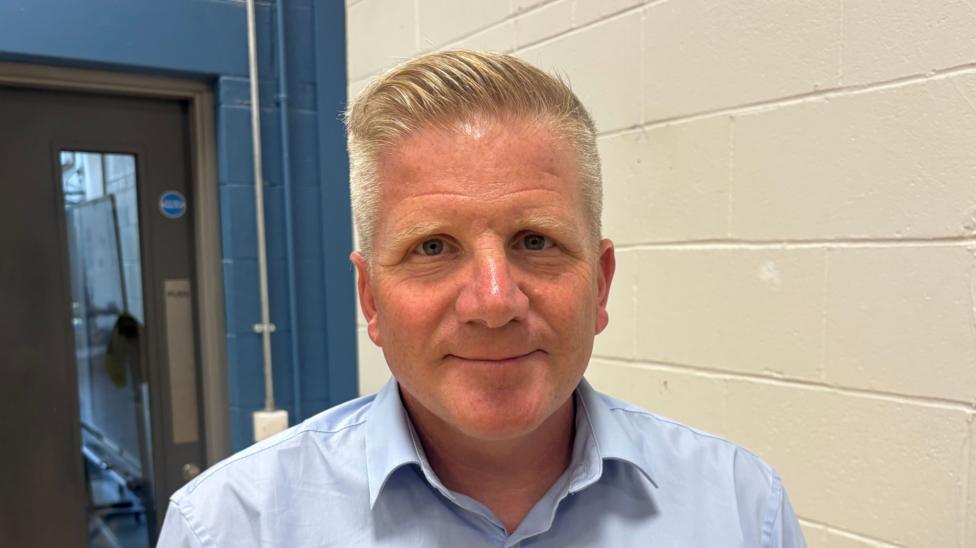
Quinn said
I strongly advised the Education Authority to remove that guidance and made clear that responsibility for financial pressures in education should not be transferred to children and families.He emphasised that
Children did not create the financial crisis in education and they should not be expected to pay the price for it.Quinn stressed that school meals are not a luxury but an essential component of the school day, and that the increases will disproportionately harm families already struggling with living costs.
Historical context
The current price increases mark a significant shift in school meal charging. Before the January 2026 increase, school meal prices had not risen since the 2017/18 academic year, meaning families had experienced nearly a decade of stable charges. The two consecutive increases within a single year therefore represent an abrupt departure from that pattern.
When do the new prices take effect?
The revised meal charges are due to take effect in January 2027. The Education Authority stated that
these were difficult decisions which sought to balance our commitment to children and young people alongside the requirement to live within the funding allocated for the year.The authority also noted awareness of pressures across all public services in Northern Ireland and acknowledged that any overspend this year could affect next year's finances.
The Northern Ireland Executive has yet to agree a budget amid an ongoing dispute with the secretary of state regarding how Northern Ireland is funded, adding further uncertainty to the education sector's financial outlook.