Safeguarding reforms recommended following the conviction of a "depraved" paedophile head teacher are progressing far too slowly, Wales's children's commissioner has warned. According to BBC News, just three of 13 recommendations directed at the Welsh government have been completed a year after the review was published, despite the severity of the case and the scale of institutional failures it exposed.
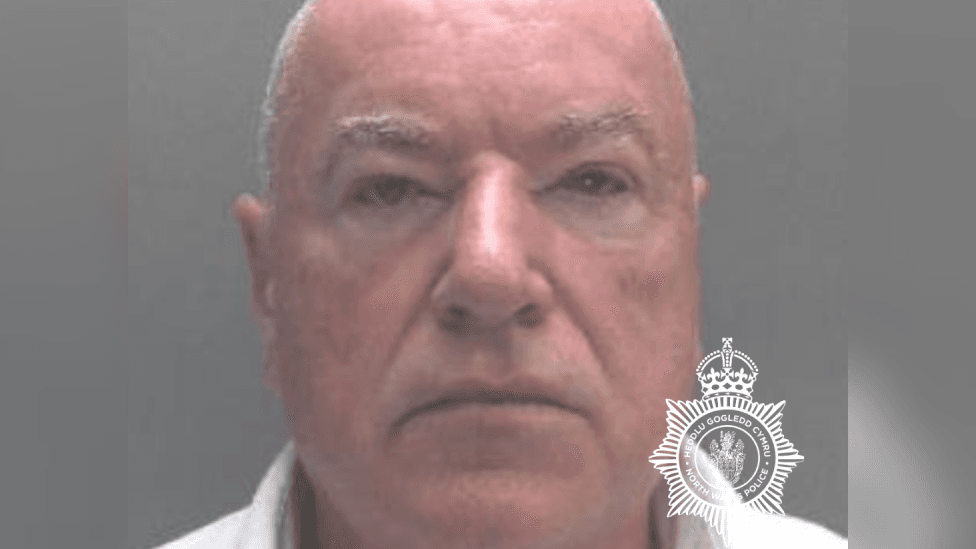
Neil Foden was sentenced to 17 years in prison in 2024 after being convicted of 19 charges, including 12 counts of sexual activity with a child and two counts of sexual activity with a child while in a position of trust. Judge Rhys Rowlands described him as "depraved, arrogant and a bully". The comprehensive review that followed, titled Our Bravery Brought Justice, made 27 recommendations to various agencies after uncovering more than 50 opportunities to stop Foden that had been missed.
Rocio Cifuentes, the Children's Commissioner for Wales, expressed frustration with the pace of implementation.
"I'm disappointed with the pace of progress on the whole safeguarding governance landscape. It's a year from the publication of that review; it's three years since Neil Foden's crimes first came to light and two years since he was sentenced. While it is important to make sure there's enough time to undertake the review properly, I think the issues we are dealing with are so significant that we have to inject a bit more urgency into actually moving to a place we can be assured children in schools are actually safer."
The review examined events spanning from January 2017 to September 2023 and identified 52 safeguarding and other concerns raised but not acted on by the council and other agencies, dating from 2018 until Foden's 2023 arrest. The 108-page report found it "appalling" that some of the safeguarding failings identified in Foden's case mirrored those uncovered by the Clywch inquiry 20 years earlier, which followed the death of paedophile teacher John Owen.
What were the main findings?
Child safeguarding expert Jan Pickles, who led the review, described the recommendations as "designed to bring about the most significant change in safeguarding in schools in Wales in a generation". The report highlighted serious deficiencies in the school governing body system as a particular area of concern—the same issue that had been identified two decades prior.
A former pupil groomed by Foden previously described the report's findings as "shocking, devastating and hard-hitting". The case exposed how multiple agencies and institutions failed to recognise or act on warning signs over an extended period.
Why is progress so slow?
Cifuentes suggested that momentum had stalled following the change of Welsh government in May 2025, when Plaid Cymru took office.
"The previous Welsh government did start a piece of work looking at how school governing bodies function, however that work has been on pause seemingly since the new government started. It's really crucial we hear from the Welsh government what their plans are to conclude that piece of work, because it's a crucial part of the jigsaw."
The Welsh government has stated that "no work had been paused" and that it was making progress across the recommendations. Cabinet Minister for Education and the Welsh Language Anna Brychan said the findings "continue to inform work to strengthen safeguarding arrangements in education across Wales" and that
"we are committed to addressing the recommendations within the report and progress is being made across a programme of national work designed to strengthen safeguarding arrangements and support lasting improvement. We are taking this work forward with purpose and at pace, while ensuring that the changes we make are evidence-based, effective and sustainable."
The Welsh government also explained that
"the timing of consultation on key education policies and guidance reflects the sequencing of interdependent pieces of work to ensure any national guidance consulted on reflects the current position from the outset, rather than consulting on changes prematurely and potentially having to revisit them."Consultation on some recommendations is not scheduled to begin until April 2027.
What progress has been made locally?
Gwynedd Council said it had completed eight of the nine recommendations assigned to it and expected to finish the last by the end of 2026. The council also reported that it had addressed 12 of the 17 regional and national recommendations alongside its work on the nine local recommendations.
The council's response included specialist grooming training developed with the NSPCC, a team that visits schools to check safeguarding, and training for more than 6,000 council workers. These measures represent concrete steps taken at the local level to prevent similar failures in future.
What do politicians say about the delays?
Helen Mary Jones, a Plaid Cymru Assembly Member when the Clywch report was published and now an advocate for children's rights, acknowledged the frustration while defending the need for careful implementation.
"It's obviously frustrating that it's taking the time that it is. I think the important thing is ministers continue to really keep an eye on all of this and make sure it's a priority. I'd like to see a clear timetable set out so that we know when to expect these changes. I hope that in six months' time we'll be in a position where all the changes have been made."
She argued that it was preferable to take time and implement changes properly rather than rush them and "end up with bolt-ons that don't shift the culture", but acknowledged the legitimate concerns about the pace of reform.
What happens next?
Gwynedd Council expects to complete its final assigned recommendation by the end of 2026, while the Welsh government's consultation process on key recommendations is not due to begin until April 2027. Cifuentes has called for greater urgency, emphasising that the scale and severity of the safeguarding failures exposed by the Foden case demand faster action to protect children in Welsh schools.
The commissioner stressed the need to move beyond repeated reviews and consultations to tangible, implemented change.
"We can't wait for review after review after review to see change happen."