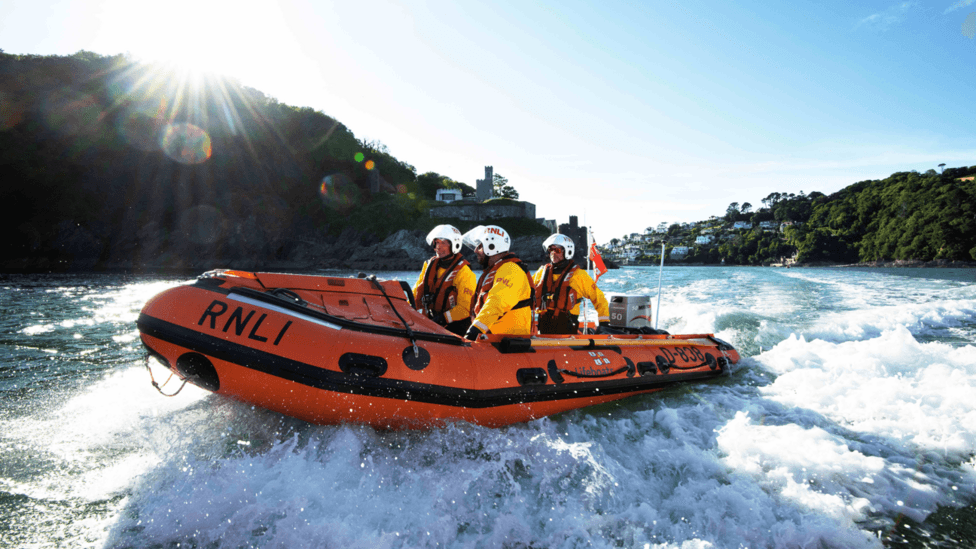
Volunteers and staff at the RNLI have endured "unacceptable" harassment both online and in person following weekend demonstrations against migrant arrivals, according to the charity's leadership.
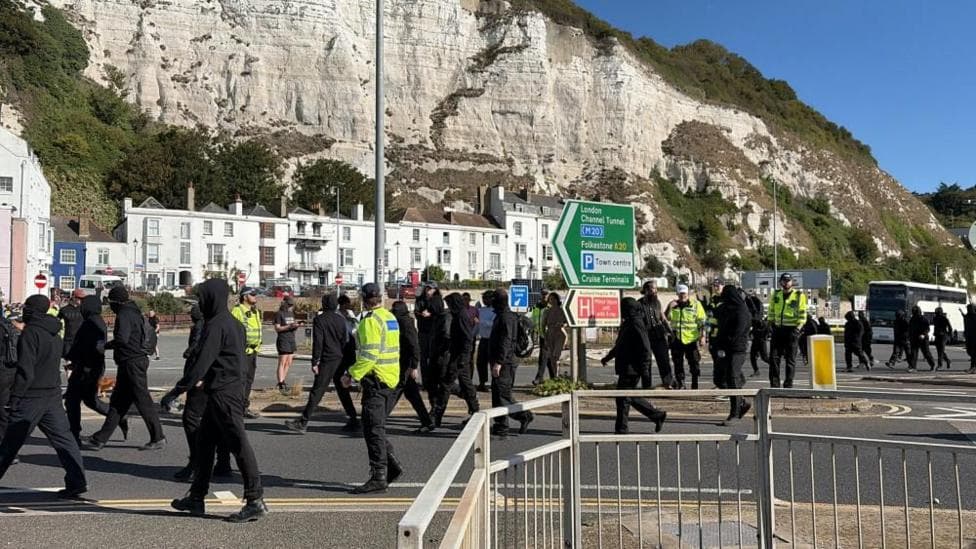
On Sunday, 7 September 2026, law enforcement confronted protesters who occupied roads in Portsmouth to prevent the arrival of approximately 140 people who had been rescued by the RNLI and brought to the Eastney Landing ferry port area. The incident followed a separate demonstration on 5 September at the Port of Dover, where hundreds of masked activists staged a "stop the boats" blockade that disrupted traffic and forced road closures around the port.
Peter Sparkes, the RNLI's chief executive, issued a statement on Tuesday condemning the treatment of volunteers.
Recent events have generated deliberate misinformation and a misunderstanding about the RNLI – our purpose, our tasking, and particularly our lifesaving work in the Channel. Sadly, as a result, some of our volunteers and staff have been the subject of online and, in the worst cases, physical abuse.
Sparkes characterised the abuse as incompatible with civilised society and criticised those making threats "who would hide behind a balaclava or a keyboard". Social media posts subsequently emerged labelling RNLI personnel as "traitors", and Digital Secretary Lisa Nandy raised concerns about the sharing of staff names, addresses and photographs online.
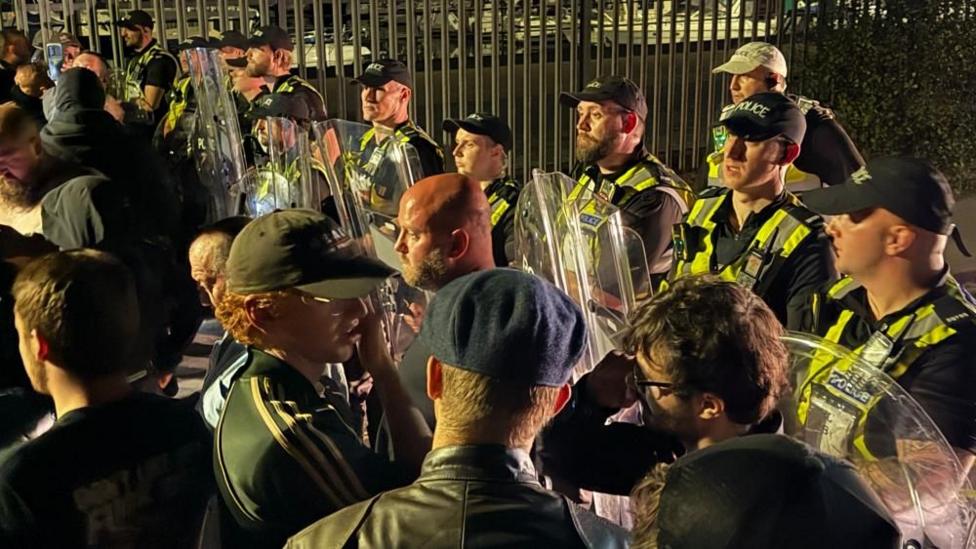
The Portsmouth confrontation resulted in significant disruption and violence. According to reports from the scene, official vehicles were damaged and several police officers sustained injuries during the stand-off. Police deployed riot shields to protect coaches carrying the migrants away from the landing site. Hampshire and Isle of Wight Constabulary has opened an investigation into possible assaults, criminal damage to vehicles and other offences arising from the incident.

The Dover protest on 5 September created a four-mile traffic jam as demonstrators blockaded the port before dispersing by midday. Both incidents reflected escalating tensions around Channel crossings and migrant arrivals on the south coast.
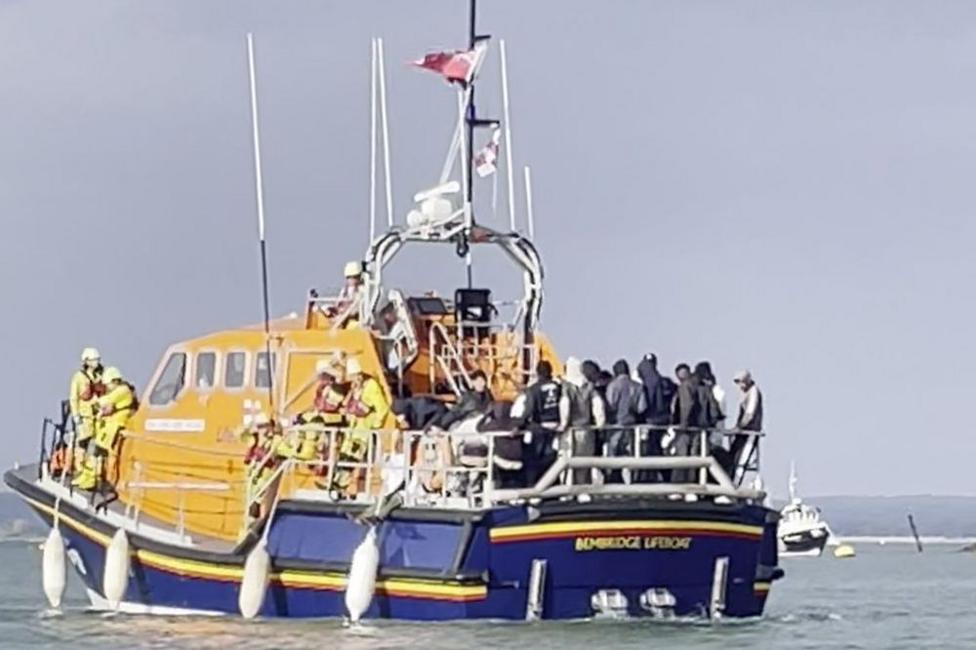
Why were the RNLI boats unable to dock?
Both Portsmouth Harbour and Southampton Port refused permission for the RNLI vessels to land, according to VHF radio traffic indicating both port authorities rejected the approach requests. The Portsmouth landing site, described as a narrow shingle bank with only one road into the city, became a focal point for protesters attempting to prevent the migrants from being transported away from the lifeboat station.
What is the scale of RNLI rescue operations in the Channel?
Sparkes emphasised that Channel rescue work represents a small fraction of the charity's total activity. Of the 9,058 RNLI lifeboat launches in 2025, only 109 were responses to people in distress in the Channel, constituting 1.2% of all rescue operations. He noted that nearly 95% of small boats are intercepted by UK Border Force, and stressed the RNLI's core mission:
Our mission, and our tasking is to rescue those women, children and men in danger of drowning.
Sparkes highlighted the charity's humanitarian impact, stating that lifesaving work resulted in 389 families being reunited with loved ones in the previous year.
How is the government responding?
Lisa Nandy, Digital Secretary, told Parliament that she had engaged with technology companies regarding the online publication of RNLI staff and volunteer details.
It is something that the government is concerned about [and] I'm personally concerned about.She indicated that the government views the targeting of charity workers as a matter requiring urgent attention.
What happens next?
Hampshire police's investigation into assaults and criminal damage from the Portsmouth incident remains ongoing. The migrants brought ashore were understood to be processed at Manston in Kent following their arrival. Sparkes called for public support for RNLI personnel and urged people to
be mindful of misinformationsurrounding the charity's work, describing illegal migration as a "polarising subject" where accurate information is essential.
Key Facts
- Approximately 140 migrants arrived at Portsmouth on 7 September 2026 with RNLI assistance, triggering anti-migrant protests and road blockades
- RNLI Channel rescue operations account for 1.2% of the charity's 9,058 annual lifeboat launches, with nearly 95% of small boats intercepted by UK Border Force
- Both Portsmouth Harbour and Southampton Port refused permission for RNLI vessels to land, forcing alternative arrangements for the migrants
- Police officers were injured and official vehicles damaged during the Portsmouth confrontation, with a criminal investigation now underway
- Staff and volunteer names, addresses and photographs were shared online following the protests, prompting government concern about the targeting of charity workers