Kent Police has acknowledged receiving advance notice of potential protests in Dover the day before they occurred, but stated the information "was not fully assessed" at the time. The force's admission represents a significant shift from its earlier claim that the demonstration was entirely spontaneous and that no prior intelligence existed.
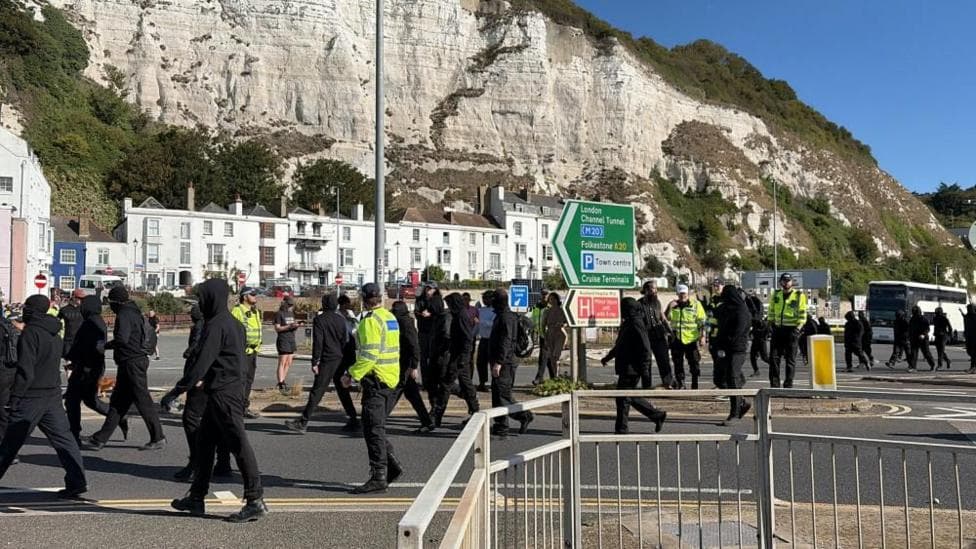
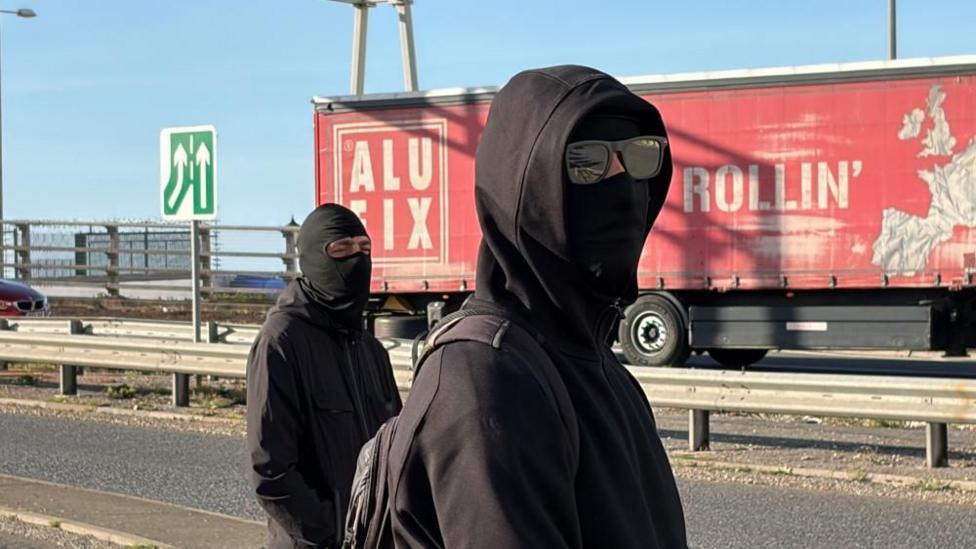
On Saturday, a large group of protesters dressed in black clothing and wearing balaclavas blocked access to the Port of Dover for several hours. According to government statements, around 150 people descended on the port at approximately 7:30 am, with demonstrators chanting "stop the boats" in reference to small-boat Channel crossings. Access was restored by midday after the crowd dispersed.
The initial police response drew sharp criticism from local leaders. A force spokesperson acknowledged in a statement that during an internal review, officers discovered the force had received non-emergency information late on Friday evening indicating a protest could take place in the town the following day.
"This information was not fully assessed. If it was, it may have allowed the force to consider its resourcing,"the spokesperson said.
According to ITV reporting, Dover District Council leader Kevin Mills criticised the police presence as "extremely low" and stated the force "should have known about it." Dover District Council deputy leader Edward Biggs described the announcement from Kent Police as "very worrying" and "really poor," adding that the council relies on police to provide information so it can inform the community and take necessary steps.
The Port of Dover, a major ferry hub for crossings between England and France, described the incident as a "public order incident." Even a brief blockade at such a critical transport facility causes significant disruption to cross-Channel traffic and wider regional transport networks.
What did the government say?
The UK government publicly condemned the protest, with a minister characterising it not as peaceful demonstration but as "intimidatory behavior." The government's response underscored the political sensitivity surrounding the protest, which occurred amid ongoing national debate over asylum policy and small-boat crossings.

What happened before and after?
The Dover protest was part of a broader wave of anti-migrant demonstrations. Earlier police defences of their handling of the Dover port protest came as local leaders questioned preparedness. The day after the Dover demonstration, several officers were injured and vehicles damaged in Portsmouth at a separate protest sparked by the arrival of 120 migrants. Both protests have been linked to Danny Thomas, a long-term campaigner against migrants more commonly known as Danny Tommo.
Despite the Saturday blockade, no boats arrived at Dover that day. However, eight boats carrying 625 people did arrive on Sunday, according to Home Office figures. This pattern highlighted the limited practical impact of the protest on actual crossing operations, though the disruption to port infrastructure and traffic remained significant.
What does Kent Police say about its response?
A force spokesperson stated:
"The protest organisers adopted a different approach to previous protests, and as part of our commitment to public safety we have examined our decision-making to identify any lessons, to ensure we are well prepared for future events organised in a similar way."
The force acknowledged that even had the Friday evening information been fully assessed, it would not have prevented the lawful protest from taking place or the disruption experienced by the town, port and wider community. No arrests were made during the Saturday demonstration.
What happens next?
Kent Police has asked the College of Policing to independently examine the processes involved in its response to the protest. The force said it will use the findings from this external review to prepare for future events organised in a similar way. The independent examination is expected to provide recommendations on intelligence assessment procedures and resource deployment protocols.
Key Facts:
- Kent Police received non-emergency information late on Friday evening about a potential Saturday protest but did not fully assess it
- Approximately 150 masked protesters blocked the Port of Dover from around 7:30 am on Saturday for several hours
- No arrests were made during the protest, though local council leaders criticised the police presence as inadequate
- The protest was linked to activist Danny Thomas and referenced small-boat Channel crossings with chants of "stop the boats"
- An independent review by the College of Policing has been commissioned to examine Kent Police's decision-making and intelligence processes