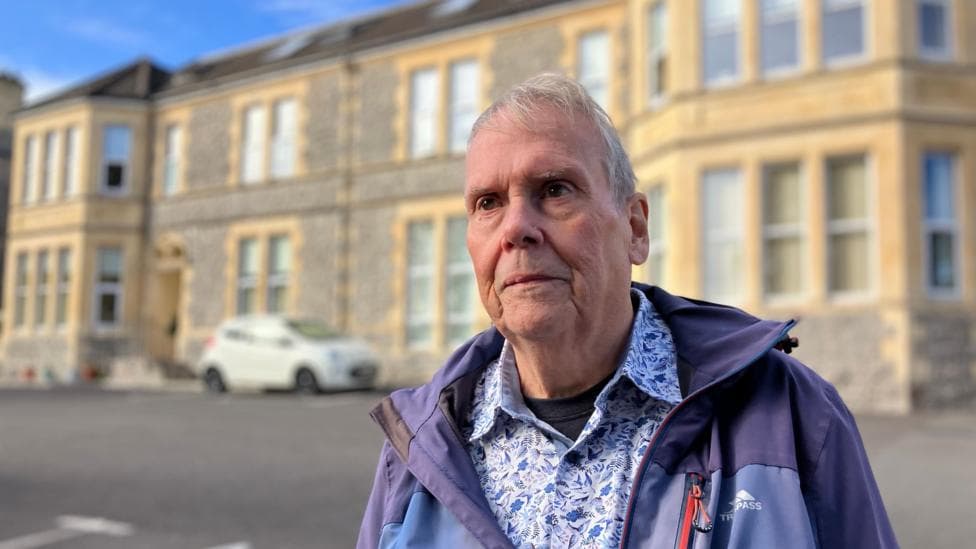
Nine families living in Weston-super-Mare in Somerset have secured a legal victory against their housing provider Curo after their monthly service charges surged from approximately £70 to more than £300. Following a tribunal hearing, Curo has agreed to cap the charges at just over £100 per month, with residents to receive reimbursement for excess payments already made.
The dispute centred on Coombe Lodge, a block containing nine flats operated under a shared ownership scheme—a model that allows residents to purchase a portion of their property while renting the remainder from a landlord. The dramatic increase in service charges left residents struggling financially, with some forced to seek additional employment to cover the new costs.
Curo stated that it had "already agreed these reductions before the tribunal took place". The housing provider explained that the charge increase was primarily intended to boost the building's sinking fund, a long-term savings mechanism designed to spread major maintenance costs across multiple years.
"What we're trying to avoid is large bills that leaseholders aren't expecting. Keeping people safe is our priority, and we need to balance ensuring the right fire safety measures are in place with trying to minimize the financial impact, which we know has been difficult."
Alan Rice, representing residents through Weston Housing Action, expressed satisfaction with the outcome.
"Quite a few people told us that we wouldn't win, but we were persistent and we got the result we wanted", he said, describing the residents as "ecstatic". Rice acknowledged that while some sinking fund contribution is necessary, the original increase had been "devastating" for those living in what were marketed as affordable homes.
"Although they were sold to them as affordable homes, suddenly they weren't affordable any more."
How do service charges work?
Service charges cover the costs of maintaining shared areas and providing services within residential blocks, though the specific services and amounts vary depending on the property and location. According to Curo's guidance on service charges, estimates are compared with actual costs at the end of the housing provider's financial year, which runs from April to March. Government guidance confirms that leaseholders can request a detailed breakdown of service charges and supporting documentation, and may apply to a tribunal if they believe a charge is unreasonable.
Curo responded to the tribunal outcome by emphasising its commitment to working with residents.
"There are always maintenance costs linked to owning a flat in a block, and we completely understand that these can be a shock when significant work is needed. That's why there are sinking funds, which are like a 'savings account' for the whole building, to help flat owners spread the cost across several years."The provider said it hoped to "continue to work constructively with residents at Coombe Lodge to resolve all the remaining issues going forward".
What legal protections exist for leaseholders?
Currently, there is no statutory cap on how much a service charge can increase in a single year. However, new protections are on the horizon. The Leasehold and Freehold Reform Act, passed in 2024, is yet to be fully implemented but will eventually require managing agents to provide comprehensive cost breakdowns. Once in force, the legislation will grant leaseholders the right to review service charge information spanning the previous six years, offering greater transparency and accountability.
The tribunal process itself provides a formal mechanism for challenging charges deemed unreasonable. Government guidance indicates that tribunal decisions are typically issued in writing within six weeks of a hearing.
Are other residents facing similar issues?
The Coombe Lodge case is not isolated. Samantha Young, who lives in a separate Curo-managed block in Twerton, Bath, has experienced an even more dramatic charge increase. Her annual service charge rose from £990 to more than £6,000—a figure she described as "astronomical".
"It is absolutely not affordable. This is higher than what you'd paid in zone one in London for flats with gyms and concierges. It quite frankly feels like we're receiving nothing."
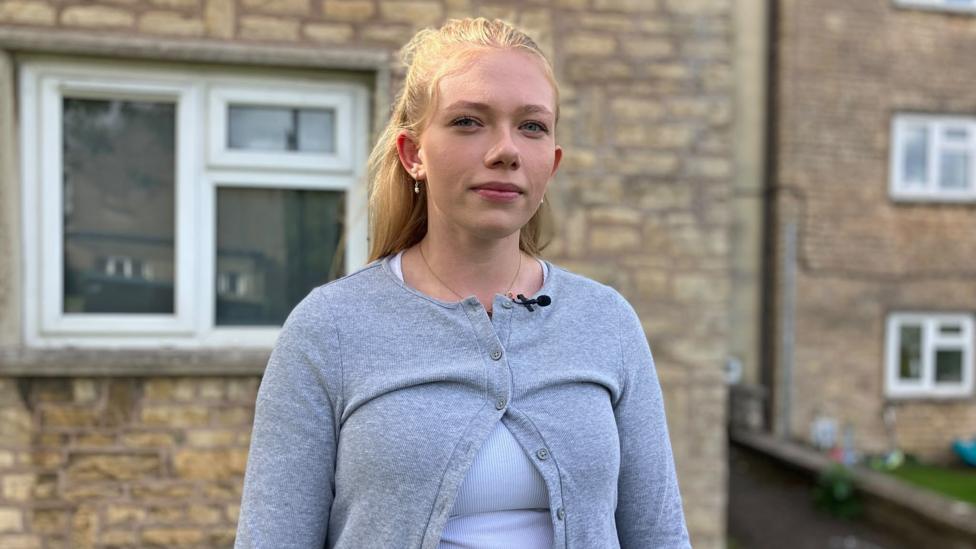
Young intends to escalate her case to the ombudsman. Curo responded by stating it was "having ongoing conversations with Ms Young about how we can work together to resolve this, and we visited her at home this week to agree a way forward".
The Coombe Lodge tribunal victory demonstrates that residents have recourse when facing what they consider unreasonable charges. The case also highlights broader concerns about affordability in the shared ownership sector, where residents who believed they were purchasing affordable homes have found their monthly costs becoming unmanageable.
Key facts
- Nine residents at Coombe Lodge in Weston-super-Mare won a tribunal case against Curo, securing a reduction in service charges from over £300 to just over £100 per month
- The original charge increase was primarily intended to fund the building's sinking fund, a long-term savings account for maintenance costs
- The Leasehold and Freehold Reform Act 2024 will eventually require managing agents to provide detailed service charge breakdowns and allow leaseholders to review six years of historical charges
- Other residents, including Samantha Young in Bath, continue to face significant service charge increases and are pursuing complaints through alternative channels such as the ombudsman