The Independent Office for Police Conduct has criticised Norfolk Police after call handlers instructed a family with serious mental health concerns to contact a locksmith instead of arranging a welfare check. The decision came before the family's son, Hobie Harrison, was found dead in his Norwich flat the following day.
On 6 August 2025, Mark and Roberta Harrison contacted Norfolk Police requesting a welfare check after their 30-year-old son failed to respond to them for more than 24 hours—a significant departure from his usual pattern of contacting them several times daily. When the couple attended his flat, they discovered his key was stuck in the lock from the inside, preventing them from entering despite being certain he was present and unresponsive. They informed call handlers that Hobie had a documented history of self-harm and suicidal threats.
After consulting a supervisor, the call handler told them their concerns did not meet the threshold for police attendance and suggested they consider hiring a locksmith. Officers eventually attended the following morning after a second call and discovered Hobie's body.
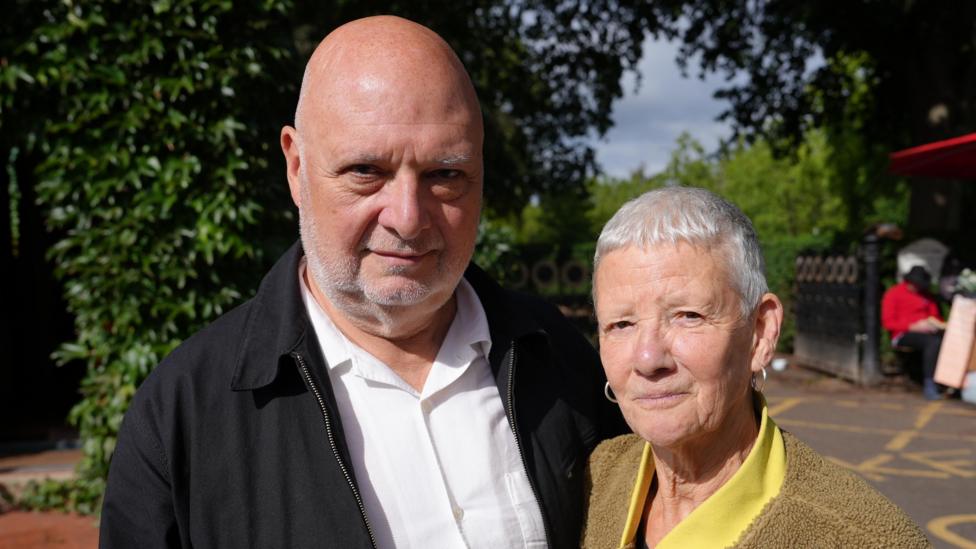
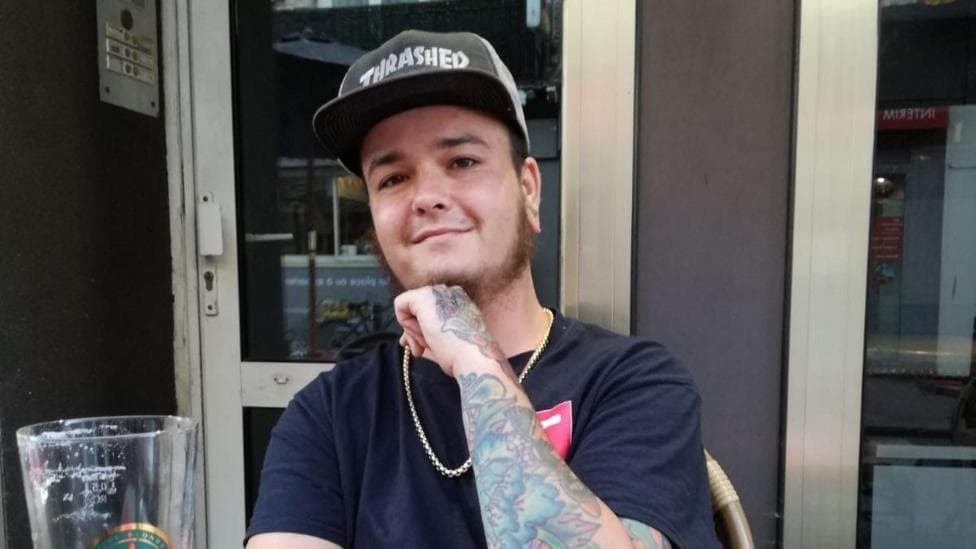
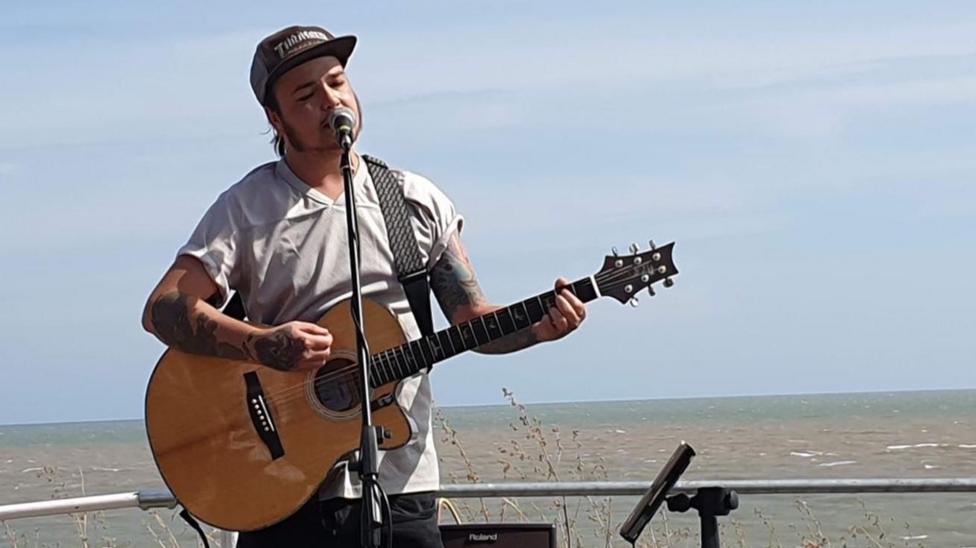
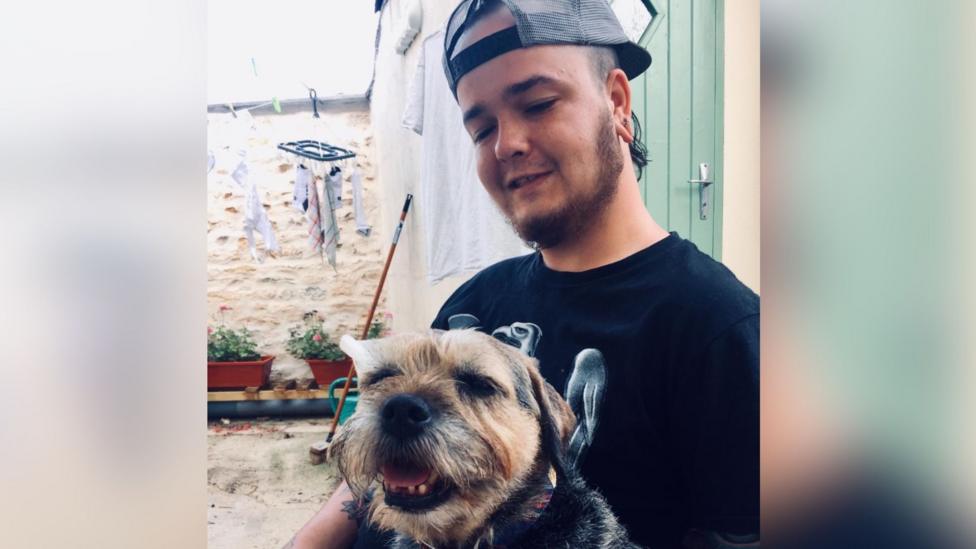
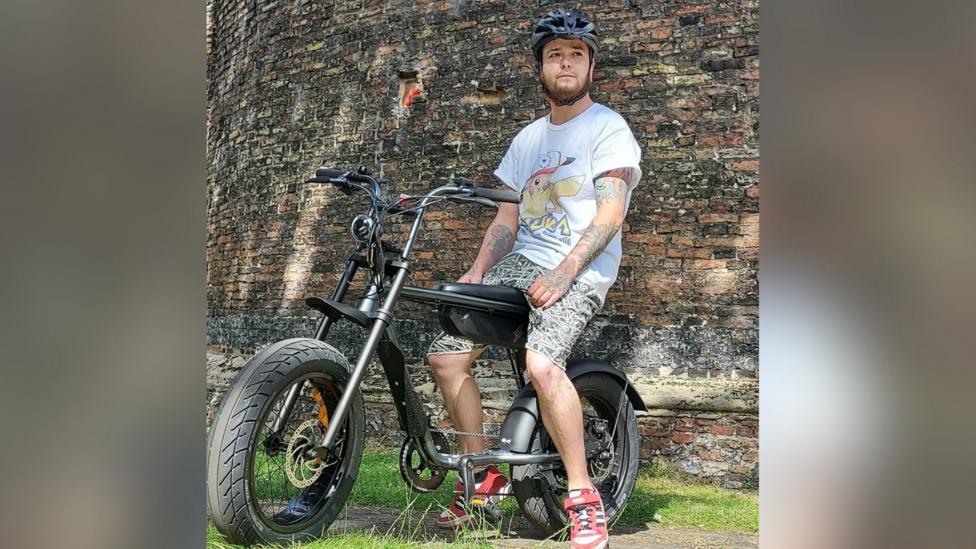
Hobie had schizophrenia and developmental trauma and was receiving support from the Norfolk and Suffolk Foundation Trust Community Mental Health Team. His parents, who adopted him as a child, described him as funny and mischievous, with a passion for music and gardening. They said he had been in good spirits when they last saw him before his death.
The IOPC's investigation found that call handlers should have referred the family to mental health services rather than suggesting a locksmith. The watchdog stated that handlers should have posed more detailed questions to properly evaluate Hobie's level of risk and provided clearer explanations to his parents regarding why officers were not dispatched under Norfolk Police's Right Care, Right Person (RCRP) policy.
What is the Right Care, Right Person policy?
Norfolk Police was following its RCRP guidelines, which restrict officer attendance at welfare calls to situations involving an immediate threat to life. The policy was first developed by Humberside Police in 2019 and has since been rolled out across forces in England and Wales, with the intention of redirecting police resources away from welfare and mental health incidents toward crime prevention and immediate life-threatening emergencies.
Norfolk Police introduced the approach in 2024 and reported that it had reduced officer attendance at welfare-related incidents from 11,831 in the year before implementation to 9,229 in the second year. The force stated that there is no standardised response to welfare concerns and that the appropriate course of action depends on individual circumstances.
What did the IOPC find about Norfolk Police's response?
In October 2025, the Harrison family lodged a complaint with Norfolk Police regarding how their calls were handled. The IOPC's subsequent investigation revealed significant failings in both the initial call handling and the force's response to the complaint.
Most notably, Norfolk Police told the parents that officers should not have attended either call, including the second one that resulted in discovering Hobie's body. The IOPC described this response as
unnecessary and insensitive.
David Ford, the IOPC's director of oversight and casework, stated:
We have raised our concerns with the force around its interpretation of RCRP and monitoring of the initiative. As a result... the force has said it will undertake a review to examine whether there are any organisational learnings.
The watchdog expressed broader concerns that Norfolk Police may not fully comprehend the risks associated with the policy's implementation.
What are the family's concerns?
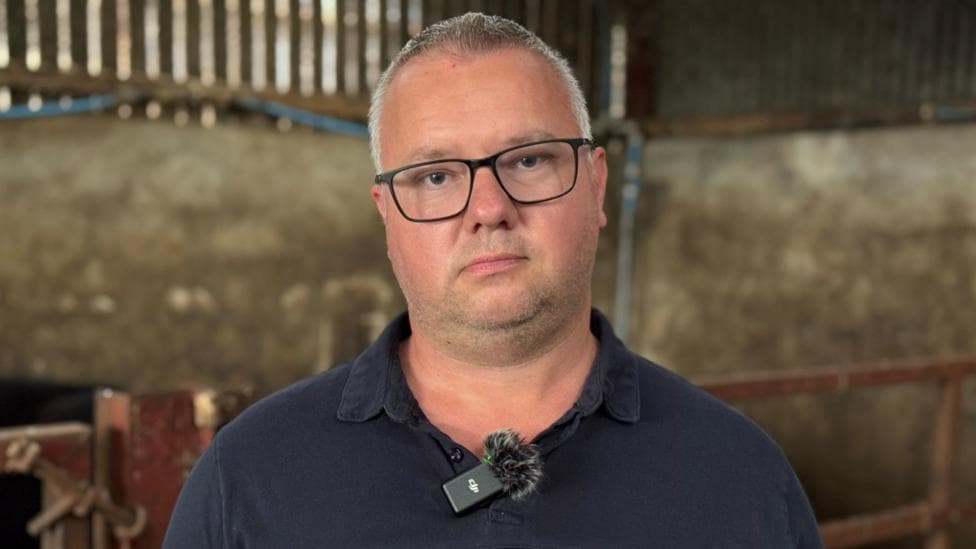
Mark Harrison said:
We'll never know whether he was still alive when we first called and whether something could have been done. He might already have been dead, but we'll never know.
Roberta Harrison added:
The non-contact was just... it didn't happen. So, it was very, very unusual.She further stated:
We didn't know how to make a decision at that point or what to do quite frankly.
The couple expressed frustration about the lack of clarity regarding responsibility for responding to welfare concerns. Roberta said:
If the police are no longer going to come, then it has to be very clear who's got the responsibility.
What broader concerns exist about the RCRP policy?
The RCRP policy has attracted scrutiny from multiple coroners investigating deaths where the approach may have contributed to inadequate responses. A Prevention of Future Deaths report into the death of Sophie Cotton in County Durham noted that the policy appeared to overlook a critical gap: mental health teams cannot enter locked premises, a limitation that proved relevant in Hobie's case.
Investigations into the deaths of Paul Alexander in West Yorkshire and Andrew Hughes in Manchester also identified gaps in how RCRP response arrangements functioned in practice. These cases highlight a pattern of concern about whether the policy adequately protects vulnerable individuals experiencing mental health crises.
A national agreement on the policy from 2024 stated that people experiencing mental health crises should not be left without support. The Norfolk and Suffolk Integrated Care Board noted that appropriate support could involve health services, social care, ambulance services, or police, depending on circumstances.
What happens next?
Norfolk Police stated it could not comment further because an inquest into Hobie's death is scheduled to take place in November 2025. The force said it is reviewing the IOPC's findings and the circumstances surrounding its application of the RCRP policy.