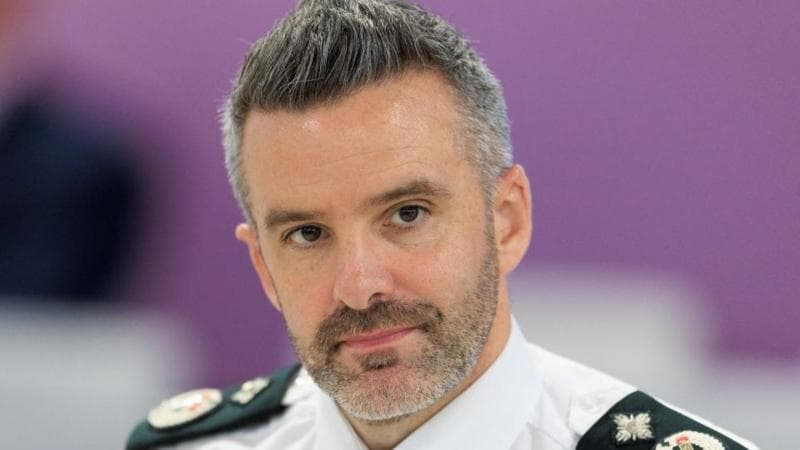
An investigation has been initiated by the Police Service of Northern Ireland (PSNI) into 21 officers, staff members and contractors suspected of engaging in "productivity spoofing" while working remotely, Deputy Chief Constable Bobby Singleton announced in correspondence to Policing Board members.
Operation Akarpos, launched by the PSNI Anti-Corruption Unit within the Professional Standards Department, has been established to prevent misuse of remote working arrangements and maintain workforce productivity standards. The Anti-Corruption Unit's preliminary findings indicate there is "no systemic abuse of home working by PSNI officers and staff".
Singleton explained that the suspected "activity and productivity spoofing" involves measures designed to present users as active on their devices while they are physically absent from their workstations. In response to the investigation's findings, the PSNI has modified access privileges for affected individuals—removing remote working permissions entirely where feasible, or restricting them where home working remains necessary.
"As an under resourced and funded service we want the board to be assured that we will not tolerate inefficiency but dishonesty even more so," Singleton stated.
He emphasised the importance of demonstrating accountability to the public, particularly given the service's current financial constraints.
"Our communities need to see value for public money and resources especially when we are asking the Northern Ireland Executive and British Government for additional funding."
The PSNI introduced remote working during the Covid-19 pandemic, a measure Singleton credited with enabling continuity of operations while protecting both staff and communities. In the post-pandemic period, the service has sought to maintain remote working capabilities as part of its operational flexibility.
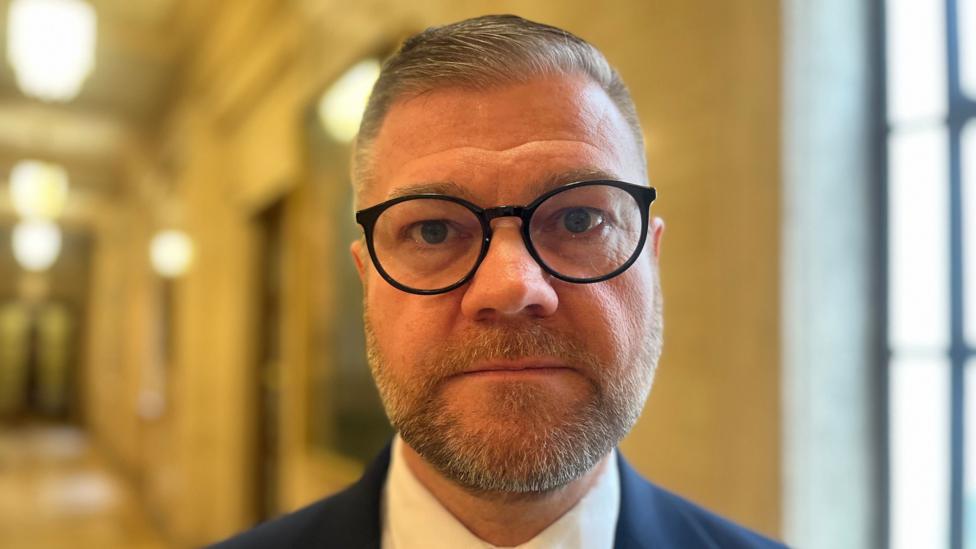
Political representatives have responded positively to the investigation's launch. SDLP assembly member Colin McGrath acknowledged that while remote working arrangements can deliver genuine benefits, the suspected conduct of a small number of individuals should not be permitted to undermine the broader policy.
"The public rightly expects officers and staff to be working when they are being paid to work, particularly when the PSNI is under significant financial and staffing pressure,"McGrath said in a statement, welcoming the identification and investigation of the concerns.