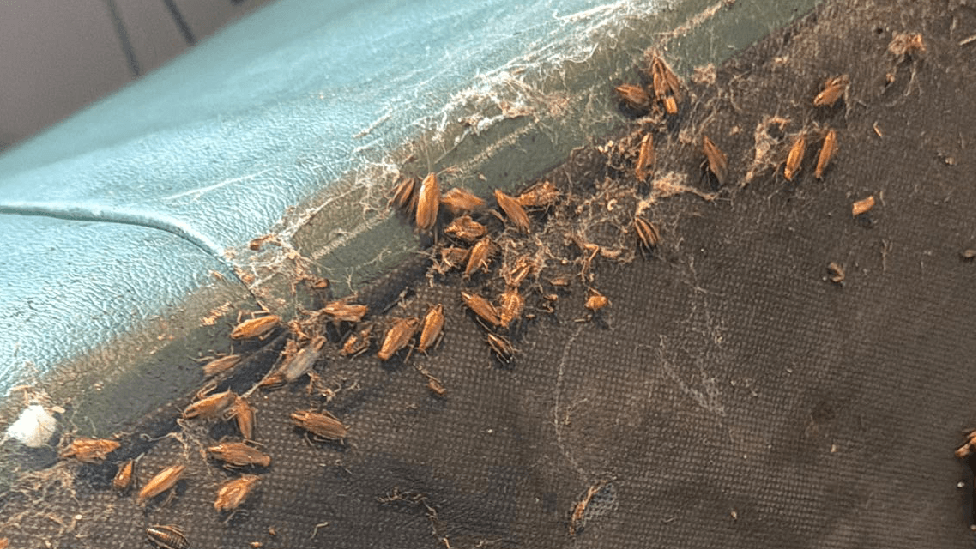
Hundreds of thousands of cockroaches infested a shared four-bedroom property in Pontypridd, south Wales, in what a pest control expert described as the most severe outbreak he had encountered across nearly four decades in the industry.
Gareth Davies, owner of Pest & Property Solutions Ltd in Llanrumney, Cardiff, led the treatment of the House in Multiple Occupation housing student nurses. He characterised the scene as resembling a horror film, with the insects clustering in vast numbers throughout the property. His team deployed specialist vacuum equipment to extract what Davies estimated as hundreds of thousands of cockroaches, followed by high-potency insecticide treatments repeated weekly over four weeks to eliminate the infestation.
The discovery emerged after neighbouring properties reported cockroach sightings despite residents there having never encountered the insects before. When Davies and his team accessed the home, they found it
"absolutely alive" with the insects. The cockroaches had colonised unexpected locations throughout the dwelling.
Davies described the treatment process in detail.
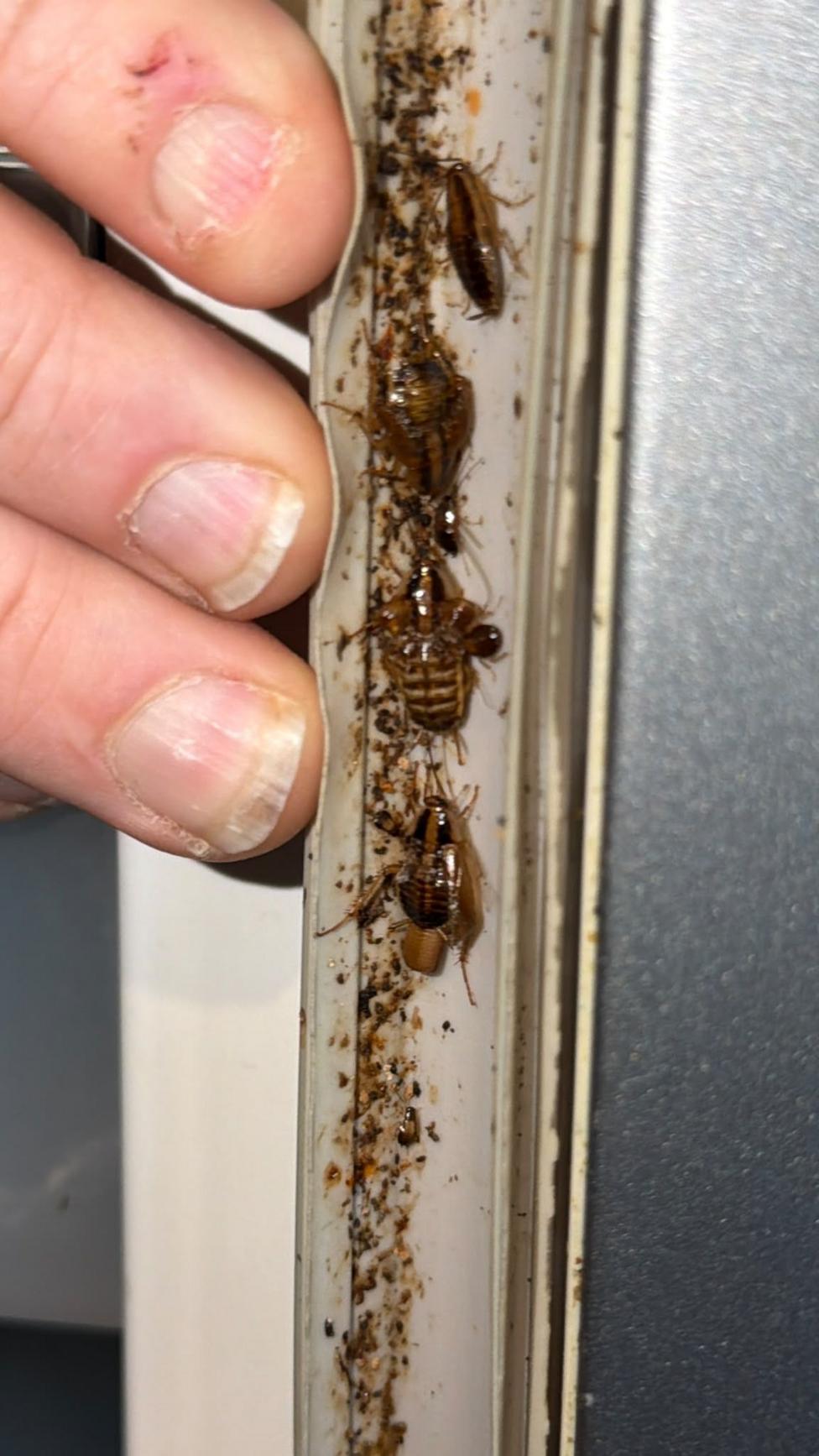
"We must have hoovered up hundreds of thousands of cockroaches with specialist equipment and then treated it."The insects were discovered clustering in large numbers and emerging from fridge seals, plug sockets, toasters, microwaves, sofas and conduit pipes. When the insecticide was applied, the effect was dramatic:
"By applying the insecticides, that's when they started falling out of conduit pipes, literally coming out of plug sockets, out of the toasters, out of the back of microwave ovens."
What type of cockroaches were found?
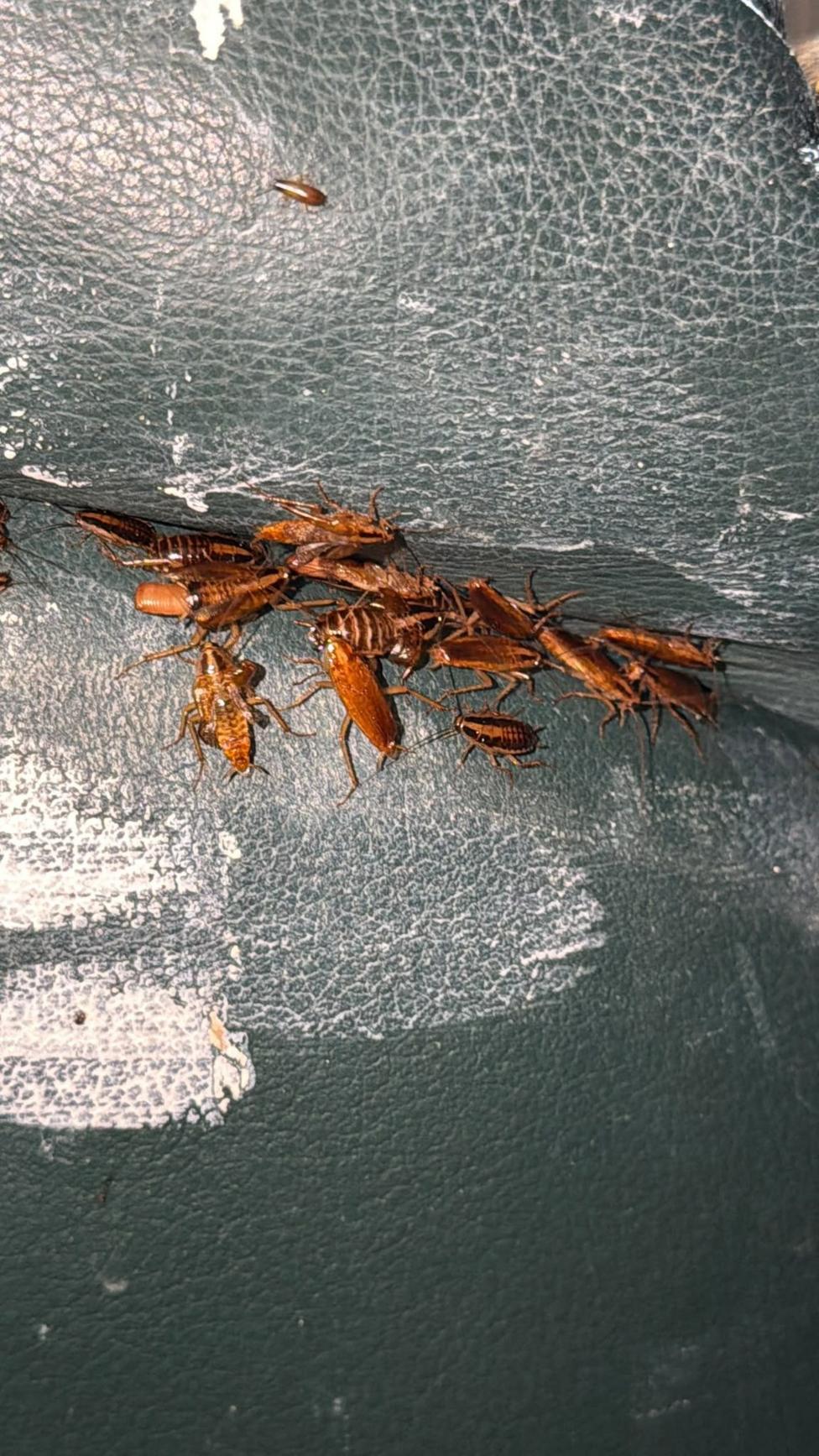
The insects were identified as German cockroaches, Blattella germanica, the most common species in southern parts of the UK and cities such as London. According to reporting from Wales Online, these insects have been rising in homes and restaurants across Wales and the UK.
Why is the infestation rate increasing?
Davies has witnessed a dramatic surge in cockroach cases over the past five years.
"Five years ago, I could count on one hand how many cockroach problems we used to deal with in a 12-month period. But in the last 12 months, we've had hundreds and hundreds."He reported handling six cockroach jobs within a single month, describing the trend as
"an absolute explosion."According to earlier Wales Online coverage from January 2026, Davies had already encountered around 150 German cockroach cases in eight to nine months, compared with only a handful over the previous five years.

Warmer weather is believed to be accelerating the problem.
"We've had a lot of weeks exceeding 30 degrees. Cockroaches thrive in the heat. They develop a lot quicker, so their breeding cycle speeds up drastically."Pest controllers across the industry have warned of rising home cockroach infestations, with a national broadcaster's coverage from May 2026 noting that infestations are growing every year.
How do cockroaches spread?
Davies explained that cockroaches thrive in locations with food sources, including abandoned food, and can be transported across distances in suitcases and bags. They are also found in restaurants and parts of the transport industry. He characterised them as
"very resilient"insects whose short breeding cycle allows populations to multiply rapidly in warm conditions.
The Pontypridd property, while not the cleanest Davies's team had encountered, demonstrated that cockroaches can establish themselves in any environment with adequate food sources.
"How these people weren't ill, I do not know,"Davies remarked about the residents.
What does the pest control industry say?
Natalie Bungay, head of technical at the British Pest Control Association (BPCA), which represents the industry, acknowledged the trend. She stated that the organisation had been
"hearing about increased cockroach activity in some urban areas, including Cardiff."However, she cautioned against drawing broad conclusions:
"But I'd be unable to say there's been a clear rise right across Wales. It's likely to be a combination of factors rather than one simple cause."
What happens next for the Pontypridd property?
The treatment of the Pontypridd property required a sustained effort over four weeks to address the scale of the infestation. Even after the initial intensive treatment phase, Davies indicated that further interventions would be necessary.
"We've had a massive impact there,"he said,
"We are picking up now probably 10 to 20 a week in specialist attracting traps, which is to be expected due to the extent of it."The ongoing monitoring with specialist traps demonstrates the deep-seated nature of the infestation and the extended timeline required for complete eradication.
Industry guidance suggests contacting a BPCA member for professional treatment rather than attempting DIY solutions, as pest controllers continue to report growing numbers of home cockroach infestations across the UK.