The technical breakdown of the UK's air traffic control system that triggered widespread flight disruption on Tuesday afternoon was preventable, Transport Secretary Heidi Alexander has stated. The outage at the Swanwick Centre in Hampshire, operated by air navigation service provider Nats, persisted for four hours and resulted in the cancellation of more than 2,000 flights, with knock-on effects continuing into Wednesday as aircraft and crews repositioned across the network.
Alexander told Parliament she had commissioned an independent investigation by the Civil Aviation Authority into the incident affecting Nats, which is 49% government-owned. Following a meeting with Nats chief executive Martin Rolfe, she ruled out a cyberattack as the cause but stated:
I do not believe this issue was unavoidable.The organisation has now issued an apology for what marks its third major technical fault in three years.
The Transport Secretary indicated she would pursue
tough questions about resilience of Nats systemsand highlighted the need to examine
consumer redress issues.Nats has been instructed to investigate and report findings within one week, while the Civil Aviation Authority will conduct a broader independent review with findings due in six months.
How did the technical failure occur?
Nats identified the problem at 14:46 BST on Tuesday as affecting its flight processing system—the infrastructure that handles flight plans and operational data used by air traffic controllers to manage aircraft movements through UK airspace. This system continuously updates flight information as planes progress, enabling controllers to maintain safe and orderly traffic flow. According to aviation reports, the airspace remained open while engineers worked to restore normal operations. By 19:30, Nats announced the system issue had been resolved, though recovery of the flight backlog would require additional time.
The Swanwick Centre in Hampshire is one of two air traffic control facilities operated by Nats; the other is located in Prestwick, Ayrshire. Flight-tracking data showed the scale of immediate disruption: approximately 490 departure delays and around 525 arrival cancellations or delays were recorded at Heathrow, Gatwick, London City, Luton, Edinburgh and Bristol as of 15:18 GMT on Tuesday.
Which airports were most severely affected?
The disruption extended across 15 UK airports, with the worst-affected facilities being Heathrow, Gatwick, Manchester and Birmingham according to flight tracking data. By Wednesday evening, the cumulative toll had reached more than 2,000 cancelled or failed departures. A later update reported 177 additional Wednesday cancellations, with nearly all concentrated at London Heathrow.
Heathrow stated on Wednesday that
operations are recoveringwith
flights operating today but we are expecting knock-on impacts as aircraft and crew reposition.At Gatwick, officials reported that
flights have now resumed from London Gatwick. However, we still anticipate that it will take time for our operations to fully return to normal.Manchester, Luton, Stansted, Bristol and Belfast City Airports all confirmed Wednesday that flights had resumed, though several noted continuing secondary effects from the disruption.

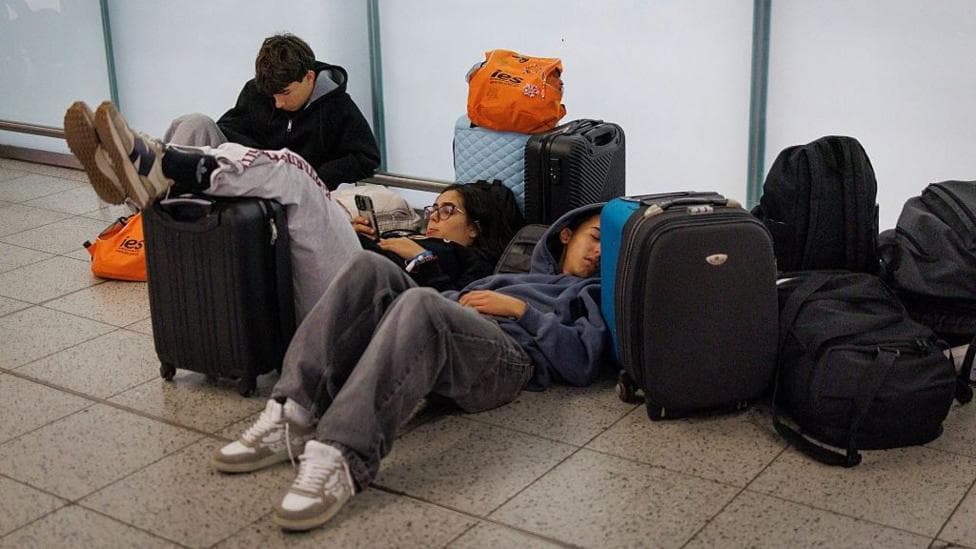
Flights from British airports had begun resuming early on Wednesday, but airports warned that disruption would persist because aircraft were positioned incorrectly after the outage, requiring time to return to normal scheduling patterns.
What are the compensation implications for passengers?
The UK Civil Aviation Authority has indicated that passengers are unlikely to qualify for compensation under standard regulations. The authority classified the Nats failure as
the result of 'extraordinary circumstances', which means affected travellers
are unlikely to be entitled to compensation for delays or cancellations that were directly caused by the incident.Airlines retain responsibility for providing care to passengers whose flights were delayed or cancelled, including meals, refreshments and accommodation where necessary.
What accountability measures are being considered?
Airlines UK, the industry representative body, has raised concerns about the pattern of failures and accountability structures. The organisation's chief executive Tim Alderslade stated:
The result is a system where airlines pick up the bill for the mistakes of others, while the organisations responsible face little or no financial consequence. Accountability should sit where responsibility lies and the Civil Aviation Bill offers the opportunity to address this.
The government expressed confidence in Rolfe's leadership on Wednesday, though major carriers including Wizz Air and Ryanair had called for his removal. This represents the latest challenge to Nats' operational credibility following previous significant incidents.
What is the history of Nats system failures?
The Tuesday outage represents the third major technical fault at Nats within three years. In August 2023, a computer shutdown during the bank holiday weekend caused disruption affecting 700,000 passengers. That incident required an engineer who had been unable to resolve the problem remotely to travel to the facility, taking three hours to arrive and restore operations. A smaller outage occurred in 2025, resulting in 150 flight cancellations.
Nats operates as a public-private partnership with the government holding the majority stake. Remaining ownership is distributed among a consortium of UK airlines—including British Airways, easyJet and Virgin Atlantic—alongside Heathrow Airport and Nats staff members.
How did the disruption affect individual passengers?
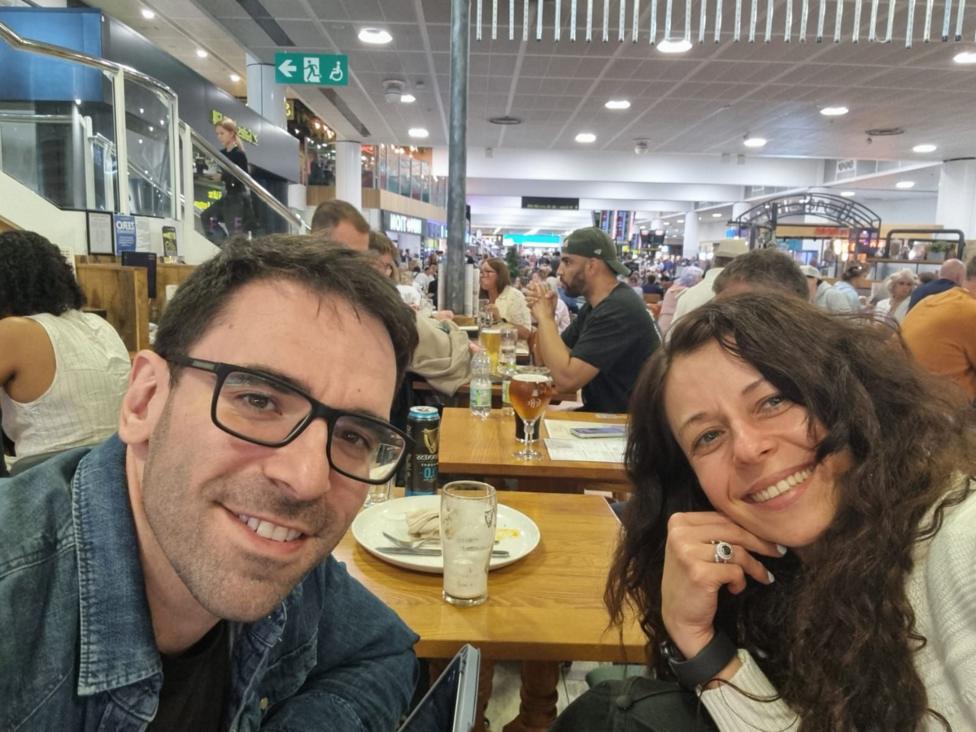
For some travellers, the timing of the failure created particular hardship. Sasha and James from south London had married at the weekend and were scheduled to depart for their honeymoon in Madeira on Tuesday afternoon. Upon arriving at Gatwick Airport for their flight to Funchal, they were informed their departure had been cancelled. The couple spent three hours in a terminal restaurant, attempting to make the best of an unexpected delay before returning home to London for the night. They subsequently secured alternative passage on a Wednesday afternoon flight from Gatwick.
What happens next?
Passengers have been advised to verify flight status with their airline for both Wednesday and Thursday as the accumulated backlog is progressively cleared. Nats has committed to ongoing coordination with airlines and airports to facilitate recovery from the disruption. The organisation must submit its internal investigation findings within one week, while the Civil Aviation Authority's independent review will extend over a six-month period, with an interim update expected before that deadline.