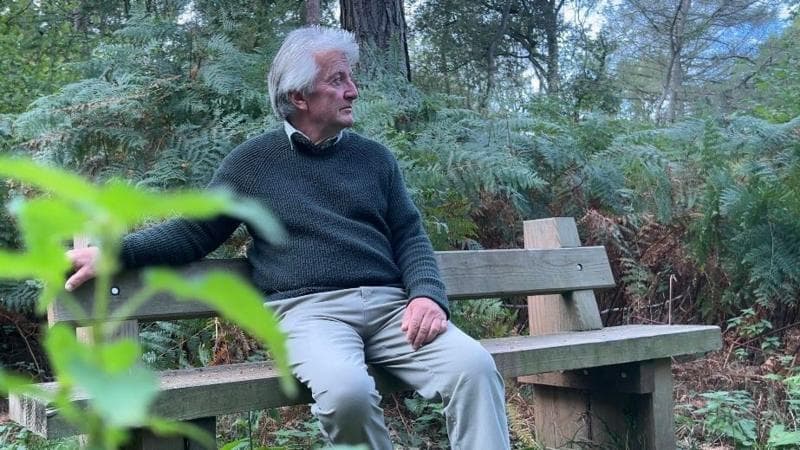
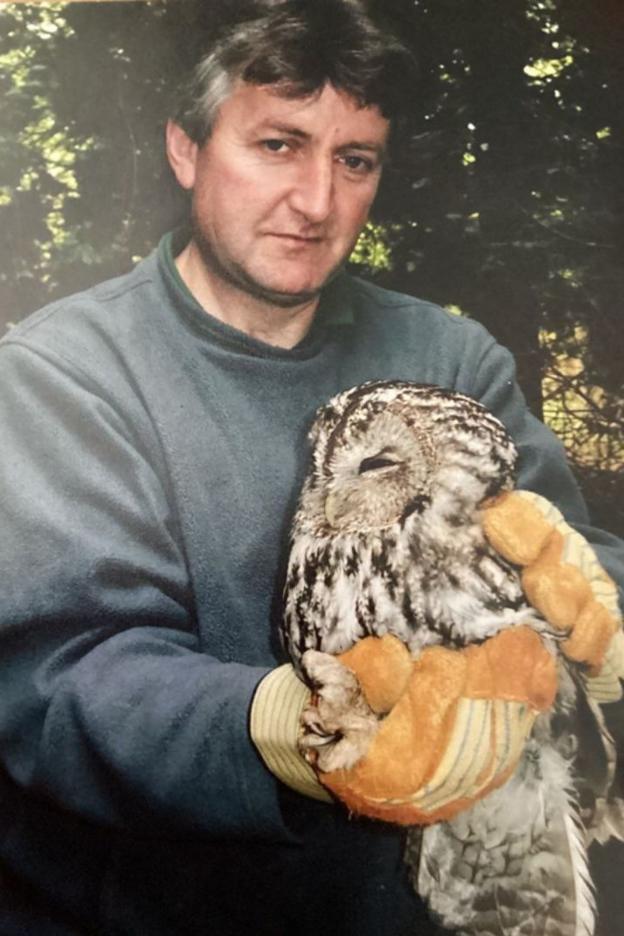
William McLaughlin, a dedicated wildlife ranger who spent nearly four decades preserving and managing one of Lincolnshire's most important natural spaces, has retired from his role at Bourne Woods. The 68-year-old's departure marks the end of an era for Forestry England, which has relied on his expertise in conservation and deer management since he joined the organisation in 1990.
McLaughlin's career in woodland stewardship began long before his arrival in Lincolnshire. He spent 15 years working as a gamekeeper in Scotland's Western Isles before relocating south to take up his position at Bourne Woods, where he would remain for 37 years. Throughout his tenure, he became instrumental in shaping how the forest functions as both an ecological system and a space for public enjoyment.
His philosophy about his work was straightforward and revealing of his commitment.
If your job is your hobby, you don't work a day in your life,he reflected on his career. This sentiment stemmed from a lifelong connection to natural environments that began in childhood.
I just always loved being in the woods. It was my environment,he explained, describing how his passion for outdoor spaces never wavered across his decades of professional work.
Why was deer management so critical to his role?
Managing the deer population at Bourne Woods represented one of McLaughlin's most significant responsibilities and a cornerstone of his conservation work. An uncontrolled deer population poses a serious threat to woodland ecosystems, as the animals graze heavily on young vegetation and prevent tree regeneration.
If you have an unmanaged deer population, they pretty much destroy it, grazing on young vegetation meaning trees can't grow, which has a knock-on effect to wildlife,McLaughlin explained the cascading ecological consequences of failing to monitor these numbers.
According to Forestry England's guidance on deer management, wildlife rangers like McLaughlin employ trained working dogs to track deer, with each animal inspected, tagged and processed under food-hygiene standards. This systematic approach ensures both ecological balance and humane treatment of the animals. A 2012 survey documented more than 50 fallow deer inhabiting Bourne Wood, alongside muntjac deer, illustrating the scale of the management challenge McLaughlin addressed throughout his career.
What made Bourne Woods significant?
Bourne Wood holds particular ecological importance within the regional landscape. The woodland is part of Kesteven Forest and carries dual designation as both ancient woodland and a Local Wildlife Site, recognising its value for biodiversity and historical continuity. McLaughlin's work occurred within this context of special protection, meaning his conservation decisions had implications for a site of recognised national importance.
Scott Martin, Forestry England's manager for Bourne Woods, acknowledged the profound impact McLaughlin's departure represents.
His passion, expertise and dedication have made a lasting difference to these forests and the wildlife that depends on them,Martin said. He further highlighted the ranger's specific contributions:
His work on deer management has played a vital role in supporting the natural regeneration of native tree species, while his collaboration with local conservation groups has helped deliver positive outcomes for wildlife across the area.
How does McLaughlin view his career now?
When reflecting on his working life, McLaughlin expressed contentment with his choices and a clear sense of purpose. He contrasted his experience with other professions, noting the privilege of his position.
I've traveled in the London underground, people do that daily, all their working lives, and I think why would anyone want to do that? My favourite thing is being out here in the woods,he said, articulating why he never questioned his career path.
The wood is alive – why would you want to be anywhere else?he added, capturing his fundamental philosophy about the value of woodland work.
Despite the formal end of his employment, McLaughlin indicated that his relationship with Bourne Woods will continue.
I won't miss it, because I'm still going to be here. I will miss my colleagues and the friends I have made though,he said, suggesting he intends to remain a regular presence in the forest he has tended for so long. His ongoing connection underscores the deep personal investment he developed over nearly four decades of daily engagement with the landscape.
What comes next for Bourne Woods?
McLaughlin's retirement occurs within the context of broader forest management planning. Forestry England's Bourne Woodlands Forest Plan sets out management proposals for 717.5 hectares across five woods over a ten-year period, establishing the framework within which his successor will operate. This long-term planning document ensures continuity of the conservation principles McLaughlin helped establish.
Martin concluded his remarks by honouring McLaughlin's service:
His contribution leaves a lasting legacy and we thank him for his remarkable service and wish him a long, happy and well-deserved retirement.The statement reflects how deeply McLaughlin's work has become embedded in the identity and management of Bourne Woods, a place he transformed through decades of dedicated stewardship.