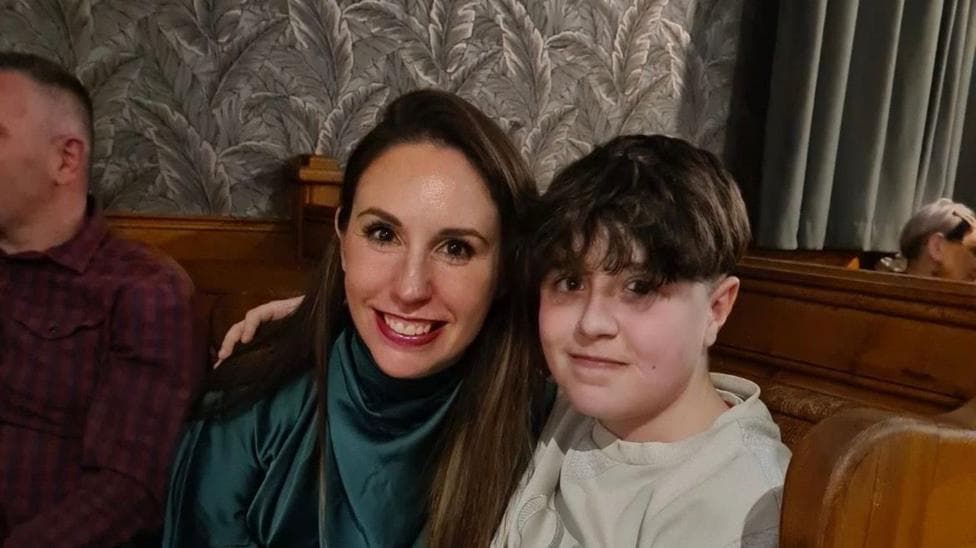
A traveller aboard a Loganair flight from London to Londonderry has described the moment she believed the aircraft would plunge into the sea after an in-flight emergency was declared on Thursday. Joanne McLaughlin was instructed to adopt the brace position while the plane crossed the Irish Sea, and she witnessed the aircraft descending sharply. All passengers and crew landed safely, though the incident has raised questions about passenger support following such traumatic events.
McLaughlin, who lives in England and was visiting family in Derry, recalled the initial announcement with stark clarity.
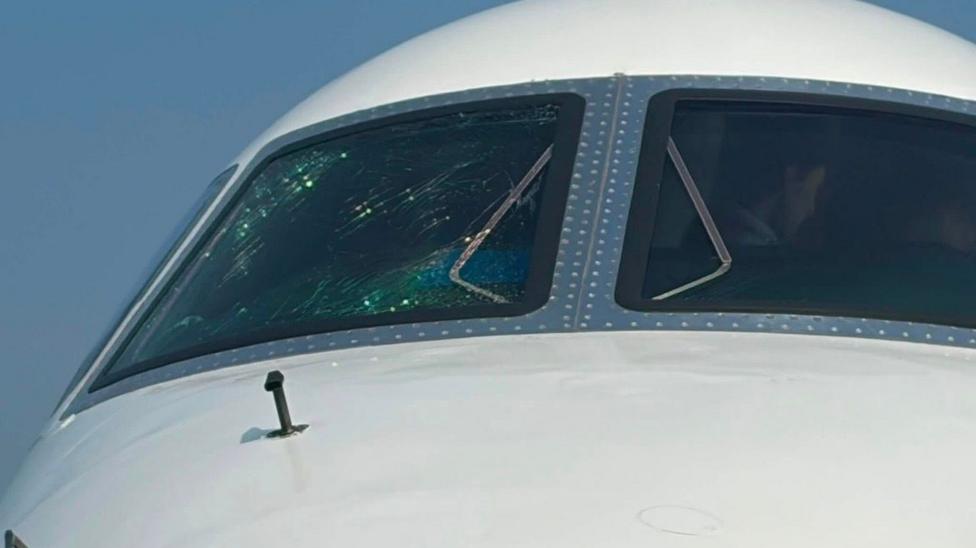
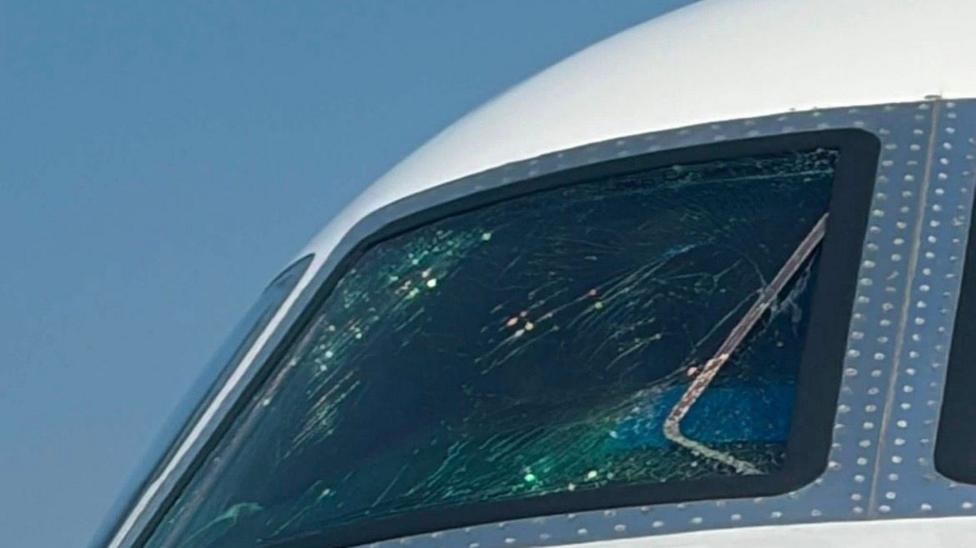
"When the first announcement was made, I 100% thought I was going to die, it was absolutely terrifying,"she said. The flight crew had identified a crack in the cockpit windscreen and lowered the aircraft's altitude to normalise cabin pressure. According to local reporting, the aircraft was an Embraer ERJ-145EP with a capacity of up to 50 passengers, and the flight had departed Heathrow shortly before 9am.
The absence of immediate clarification intensified passenger anxiety.
"There were people on the plane who were visibility very distressed, I fully thought because we were over the sea when the emergency call was made, I thought the plane was going to crash into the sea,"McLaughlin explained. She noted that roughly 10 minutes elapsed between the initial alert and the captain's explanation of the technical issue.
"I felt better when the captain said what the problem was because at least I knew it wasn't a catastrophic issue, but the initial announcement was so stark and left for so long before that update, it was too long,"she added.
The crew initially prepared to divert to Belfast City Airport as a precaution, but the pilot subsequently determined the aircraft was safe to continue to its intended destination. The flight landed on schedule with no injuries reported. According to available information, the crack was confined to the outer layer of the windscreen, with the inner layer remaining intact and cabin pressure maintained throughout the descent.
What was the technical issue?
The cockpit windscreen developed a crack during the flight, prompting the crew to declare an emergency using the standard squawk code 7700, which alerts air traffic control and emergency services to a serious situation. The airline's safety protocols were activated immediately, and the aircraft descended to a lower altitude where cabin pressurisation could be maintained more easily. Loganair confirmed in a statement that
"the flight crew followed appropriate safety protocols, and the aircraft landed as normal,"adding that
"the safety and well-being of our passengers and crew remains our top priority."

How did emergency services respond?
A spokesperson for City of Derry Airport confirmed that emergency services mobilised in accordance with established procedures.
"As a precaution, emergency services responded in line with established procedures,"the airport said, and
"we would like to thank all responding agencies for their prompt and professional response."According to reporting from a national broadcaster, the coordinated response ensured the safe landing of all on board.
What support was offered to passengers?
McLaughlin expressed disappointment at the lack of aftercare provided once the aircraft had landed.
"There was 50 odd people on that plane who thought they were going to die, and when we landed, we were not offered anything or even to sit down for five minutes,"she said. She noted that the captain did apologise for any distress caused, but felt more substantial support should have followed.
"An email from the airline would have been appreciated,"McLaughlin added, highlighting a gap in passenger welfare procedures.
What impact did the incident have on other services?
The emergency had operational consequences beyond the immediate flight. According to local sources, the return service from Derry to Glasgow using the same aircraft was cancelled, affecting passengers scheduled to travel later that morning. This disruption underscored the operational impact of the technical fault.
Is this part of a pattern?
The windscreen incident is not an isolated occurrence for the airline. In December 2024, a separate Loganair flight from Manchester to Aberdeen experienced a cracked windscreen following a lightning strike and was forced to divert back to Manchester. Loganair has now launched an investigation into the cause of the Thursday windscreen crack, though the airline has not yet disclosed preliminary findings.
What happens next?
Loganair is investigating why the windscreen cracked, and the airline is expected to release findings or provide an update as the inquiry progresses. Passengers affected by the incident who wish to pursue compensation can submit claims through Loganair's formal compensation process, which allows up to 28 days for a response. The incident will likely prompt a review of passenger communication protocols during in-flight emergencies, particularly regarding the timing and content of crew announcements.
Key Facts
- A Loganair flight from London Heathrow to City of Derry Airport declared an emergency on Thursday after the cockpit windscreen cracked mid-flight over the Irish Sea
- The aircraft, an Embraer ERJ-145EP carrying up to 50 passengers, descended safely and landed on schedule with no injuries
- The crack affected only the outer windscreen layer; the inner layer remained intact and cabin pressure was maintained
- The return flight from Derry to Glasgow was cancelled following the incident, disrupting subsequent services
- Passenger Joanne McLaughlin criticised the lack of post-flight support and communication, noting a 10-minute gap between the emergency announcement and the captain's explanation