Prime Minister Andy Burnham has indicated willingness to explore transferring policing control to the Welsh government, marking a significant departure from the UK government's previous rejection of the proposal. His remarks came during an official visit to Port Talbot on 27 August 2026, his first trip to Wales since taking office in July.
The shift in tone contrasts sharply with earlier positions. In January 2026, then-Home Secretary Shabana Mahmood stated that
No, I do notwhen asked whether major policing reforms would grant new powers to Wales. Burnham's comments suggest a recalibration of that stance as part of broader discussions about devolution.
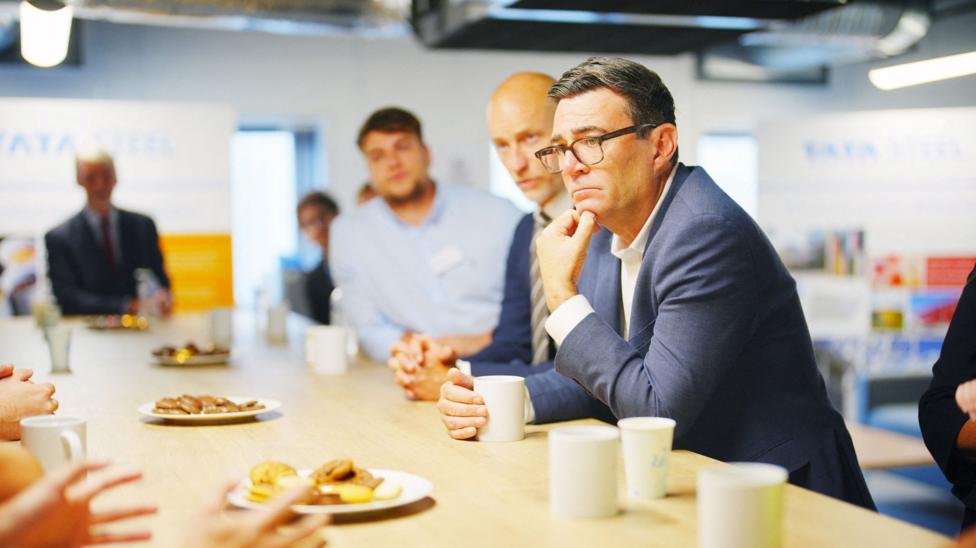
Burnham met with Welsh government Deputy First Minister Sioned Williams during the Port Talbot steelworks visit, with First Minister Rhun ap Iorwerth currently on leave. According to ITV's reporting of the visit, Burnham confirmed a commitment to deepen devolution during discussions.
Earlier in July, ap Iorwerth had urged Burnham to grant Wales powers over policing, justice, rail and the Crown Estate, making devolution a central theme of his election campaign after Plaid Cymru unseated Labour from the Welsh government for the first time in its history during the May Senedd election.
What did Burnham say about policing devolution?
Burnham stated he could not make immediate promises but would engage constructively with proposals. Drawing on his experience as mayor with policing responsibilities, he explained his reasoning:
As a former mayor that had those responsibilities, I understand how much you can do when you can really make policing right for the places and the people where you are. So I hear that call, I'm open to the discussion with the Welsh government.
He framed the timing as opportune, noting that
As part of the wider policing reform that's going on, it seems a good time to have a look at those issues. So I can't promise today, but what I can say is I'm open to the conversation.The UK government's current legislative agenda includes plans to give areas more local democratic control over public services, including policing, and to align police boundaries with local authorities by the end of the parliament.
Burnham also said he had committed to examining
any asks for further devolution and policing has been specifically mentioned within that.
How does Wales's current policing structure differ from Scotland and Northern Ireland?
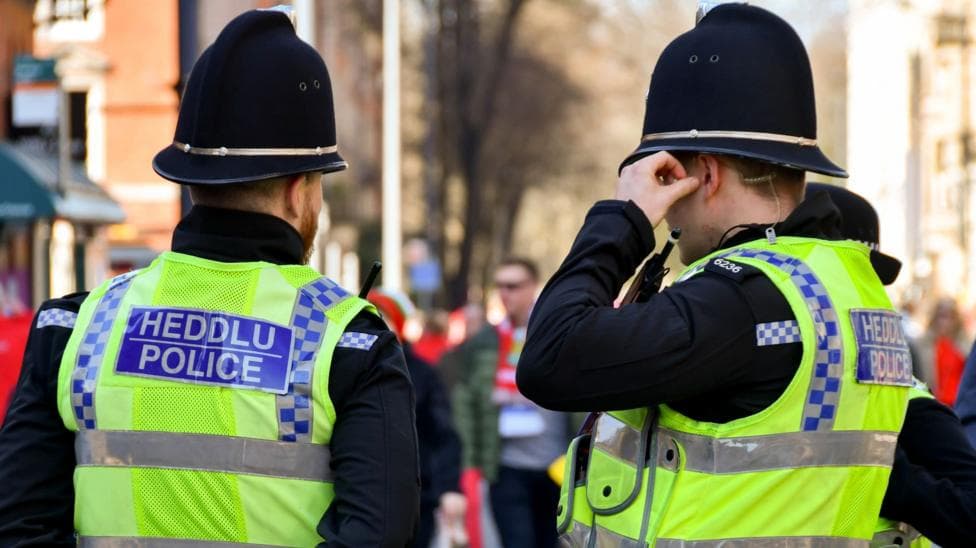
Policing in Wales remains under Westminster's oversight, unlike Scotland and Northern Ireland, where devolved governments hold direct responsibility. This disparity has prompted sustained calls from Welsh politicians across parties for alignment with the devolved nations' arrangements.

The Welsh Government had previously put forward new policing governance proposals in March 2026 built around regional Policing and Crime Boards, formalizing the existing Police Partnership Board for Wales, signalling readiness to assume greater responsibility.
What is Burnham's position on the Barnett Formula?
Burnham declined to commit to reforming the Barnett Formula, the mechanism that allocates funding to Wales, Scotland and Northern Ireland largely based on population share. Critics have long argued the system fails to account adequately for Wales's specific needs.
Two years ago, Burnham had written that it was time to
tear upthe Barnett arrangements. However, when pressed in Port Talbot, he acknowledged competing priorities:
I have a very clear view about creating a Britain that's fair, that treats all people and all places equally. I'm well aware of the concerns about the Barnett formula here in Wales. I have to be honest and say - there's only so many things I can do in the time that I've got. At the moment I can't promise there will be moves to review that.
What about the Crown Estate and regional devolution?
Burnham indicated openness to Welsh appeals regarding control of Crown Estate revenues, with the Press Association reporting that such requests would receive a
fair hearingat the planned October summit with devolved leaders.
He also proposed a model of deeper devolution based on England's regional approach, suggesting
Maybe there's an argument for deeper devolution, so more power into the cities and the regions of Wales, to north Wales working more with the North West, or mid Wales more with the West Midlands, of the kind of devolution that is developing now quite quickly across England.
How have Welsh politicians responded?
Plaid Cymru's Westminster leader Liz Saville Roberts welcomed the shift in language, describing Burnham's comments as a
welcome change in tone from the UK government. She added that devolving policing would
help keep our communities saferand praised his openness to considering Crown Estate devolution, which she said would be
a crucial step towards unlocking greater economic growth for communities across Wales.
The comments represent a notable contrast to the previous Labour government under Sir Keir Starmer, which resisted such devolution proposals despite support from both Plaid Cymru and Welsh Labour members in the Senedd.
What happens next?
Burnham indicated that detailed discussions would take place at a summit scheduled for October 2026 with the first ministers of Wales, Scotland and Northern Ireland. This meeting is expected to provide a formal forum for advancing devolution negotiations.
Meanwhile, the UK government's broader police-boundary alignment initiative is expected to be completed by the end of the current parliament, potentially creating a framework within which Welsh policing devolution could be structured.
Key Facts
- Burnham's openness to Welsh policing devolution marks a reversal from the previous UK government's position, which rejected such proposals in January 2026
- Policing in Wales currently remains under Westminster control, unlike Scotland and Northern Ireland where devolved governments hold responsibility
- The Welsh government had already submitted new policing governance proposals in March 2026 based on regional Policing and Crime Boards
- Burnham ruled out reforming the Barnett Formula funding system despite previous statements suggesting support for change
- Further devolution discussions are scheduled for an October 2026 summit with the first ministers of Wales, Scotland and Northern Ireland