The Parades Commission faces mounting pressure to restore public confidence after one of its members stepped down over the handling of a controversial ruling on the Orange Order's Drumcree parade. Billy Gamble's departure on 27 August 2026 came after a High Court judgment exposed procedural failures in the commission's decision-making, prompting the Secretary of State to demand written assurances about its operations by the end of the day on 28 August 2026.
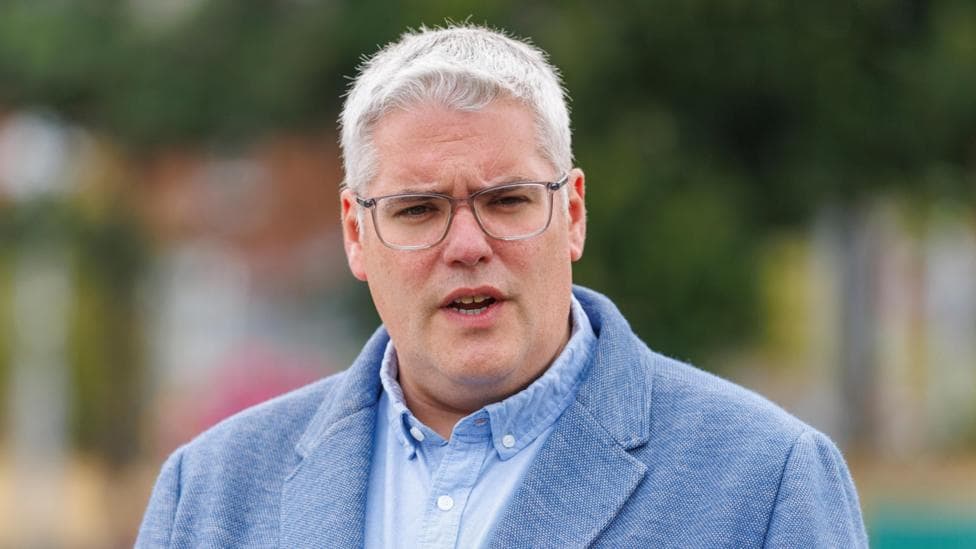
DUP leader Gavin Robinson said the underlying issues remain unresolved despite Gamble's resignation.
I think it was right that he did so, but the issues are far from resolved, Robinson told BBC Radio Ulster's Good Morning Ulster programme on Friday. He argued that the commission has damaged its own credibility and must now demonstrate how it intends to rebuild confidence among all communities.
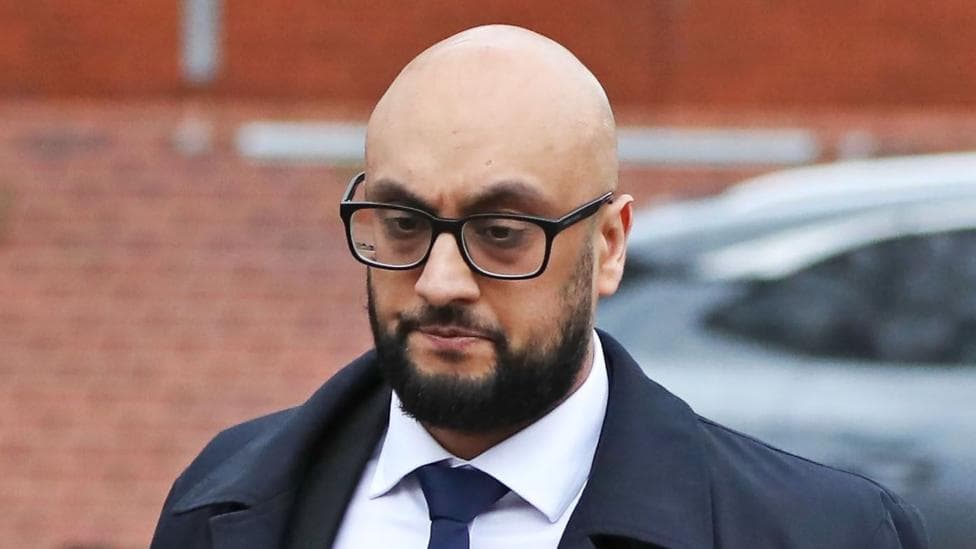
The Northern Ireland Office confirmed on 27 August 2026 that Gamble's resignation was accepted, with a spokesperson thanking him for his service since he joined the commission in February 2021. Gamble had faced the most intense public criticism following revelations about private comments he allegedly made regarding the parade determination.
Robinson used his radio appearance to challenge the Secretary of State's role in overseeing the commission.
The secretary of state still has a responsibility to look at whether he has confidence, not whether Parades Commission has confidence with me or the unionist community, but whether he has confidence that these individuals he is paying for have the ability to do their job and there are huge question marks around that, he said. Robinson also called for a legislative review of the framework governing the Parades Commission.
What prompted the crisis?
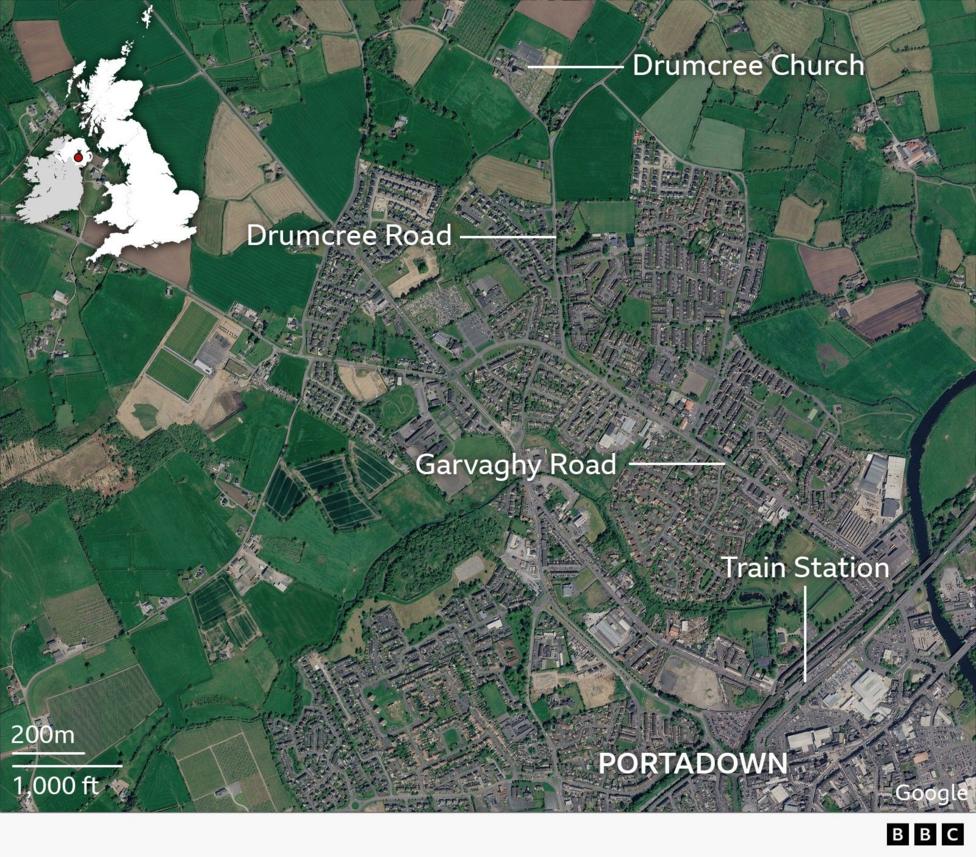
On 27 August 2026, the High Court quashed the Parades Commission's decision to restrict the annual Orange Order parade along Portadown's Garvaghy Road. The commission had banned the march from that route every year since 1998, when its original ruling sparked some of the most serious public disorder in Northern Ireland's history.
The court heard that the commission admitted a procedural error: not all six members had signed off on the final determination before it was issued. This breach of proper governance prompted the commission to concede the case rather than proceed to a full hearing.
Lawyers for the applicant, a local Orangeman, had argued that the commission's decision unlawfully breached his rights to freedom of belief, expression and peaceful assembly under the European Convention on Human Rights. They also contended that the commission had made resident engagement a prerequisite for granting parade permission, contrary to legislation.
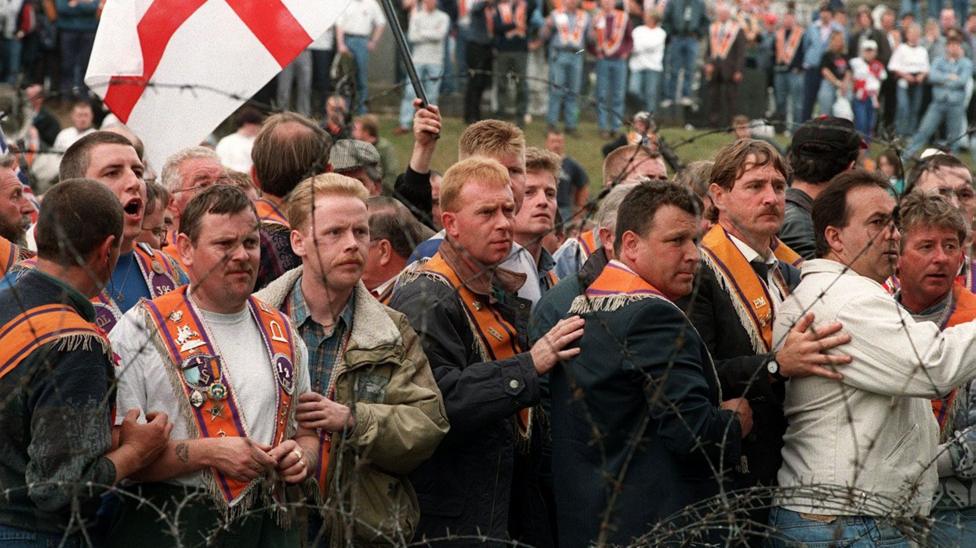
The Drumcree dispute began in 1998 when the Parades Commission first ruled that the Orange Order should not march down the Garvaghy Road on the final leg of its annual procession from Drumcree Church. That decision triggered decades of confrontation, with members of the Order repeatedly walking to police barricades in protest at the restrictions, while residents of the Garvaghy Road held counter-protests.

What has the commission said?
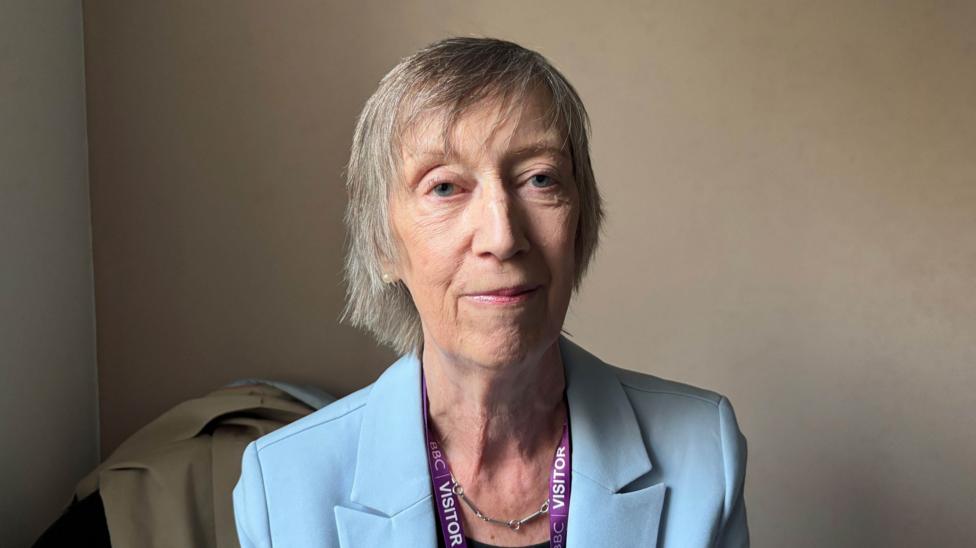
Professor Evelyn Collins, the chair of the Parades Commission, has stated she does not intend to resign.
We are very committed to fulfilling our responsibilities under the legislation, to completing our terms of office and to addressing and fixing the problems that have been identified, she said before Gamble's departure. Collins acknowledged that Gamble's private remarks were inappropriate, but maintained they had no bearing on the commission's decision-making process.
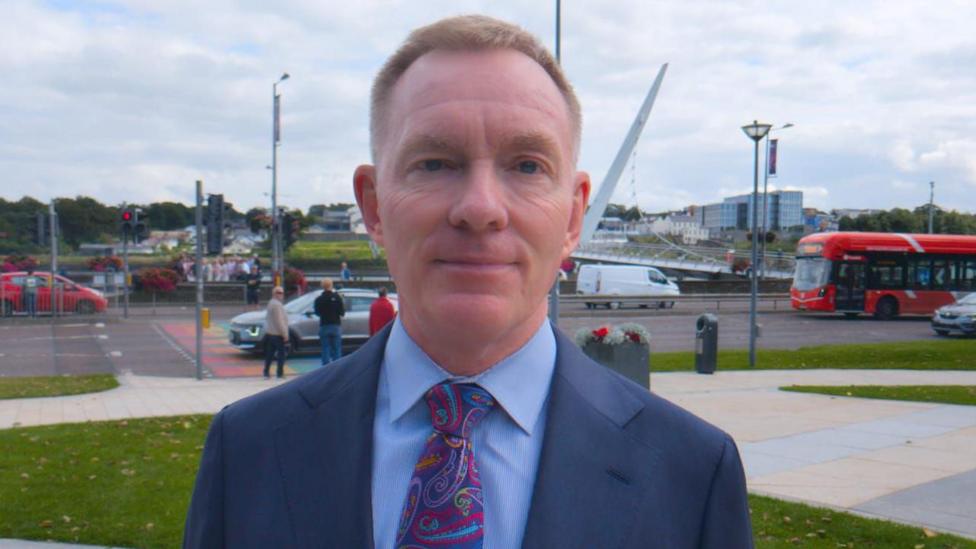
The commission has been asked by Secretary of State Sir Chris Bryant to provide written assurances addressing three key areas: that its decision-making processes are fair and robust, that it acts independently and impartially, and that it has developed a credible plan to enhance public confidence across all communities. The response was due by the end of 28 August 2026.
According to the commission's latest annual report, the current membership was appointed from January 2024 on a three-year term. Alongside Collins, the remaining commissioners are Derek Wilson, a former banker; Nicola Rountree, a barrister; Rachel Quigley, a solicitor; and Pauline Leeson, a social worker. Collins, a former chair of the Equality Commission, receives between £50,000 and £55,000 annually, while other commissioners earn between £20,000 and £25,000. The chair is expected to devote one to two days per week to the work, while other commissioners typically commit approximately one day per week, with greater involvement required between April and August.
What are the political reactions?
Robinson was emphatic about the scale of the commission's failure.
They have shattered it, they are the ones that have failed to abide by their statutory obligations, he said, referring to public confidence. The DUP leader's comments reflect broader unionist demands for accountability, with the Orange Order's Portadown District describing the situation as a
fiascoand calling on Collins to consider her position.
Sinn Féin MP John Finucane acknowledged the damage caused by recent events. Speaking on Good Morning Ulster, he described the situation as
hugely damaging the community relations. However, Finucane highlighted positive developments since the late 1990s, noting that
people who live in that community who know it best, have spoken about a complete transformation of community relations post late 1990s. He warned that such progress could be undone quickly if tensions are reignited, saying
it can be undone very quickly whenever there is a momentum and an appetite to reopen and pull and push and poke at some very, very difficult and deep wounds.
What is the broader context?
The Parades Commission operates within a complex framework designed to manage contentious marches and protests in Northern Ireland. The body's decisions have long been controversial, with unionists and the Orange Order frequently challenging its rulings while nationalist communities have sought protection from parades they view as provocative.
The High Court's intervention represents a significant moment in this ongoing dispute. The court's decision to quash the restriction has been described by unionist politicians and the Orange Order as evidence that the commission's position is untenable. The commission has stated that the court ruling does not affect its future decisions on parades or protests, but this assertion faces scepticism given the procedural failures exposed during the case.
What happens next?
The immediate focus falls on the Parades Commission's written response to the Secretary of State. The submission must address how the body will restore fairness and public confidence in its operations. Robinson's call for legislative reform suggests that even if the commission survives this crisis, pressure for broader changes to its governance and powers is likely to intensify.
The outcome of the Secretary of State's assessment will be crucial in determining whether the current commission can rebuild credibility or whether more fundamental changes are required. The stakes are high: any further erosion of confidence in the body's impartiality could reignite tensions around one of Northern Ireland's most sensitive and long-running disputes.
Key Facts
- Billy Gamble resigned from the Parades Commission on 27 August 2026 following criticism over private comments regarding the Drumcree parade determination
- The High Court quashed the commission's decision to restrict the Orange Order's march along Portadown's Garvaghy Road, citing a procedural error in which not all six members had approved the final ruling
- Secretary of State Sir Chris Bryant has demanded written assurances from the commission by 28 August 2026 that its processes are fair, independent and impartial, and that it has a plan to restore public confidence
- The Drumcree dispute has been a source of contention since 1998, when the commission first banned the Orange Order from marching down the Garvaghy Road
- Chair Professor Evelyn Collins has stated she does not intend to resign and that the commission remains committed to fulfilling its responsibilities