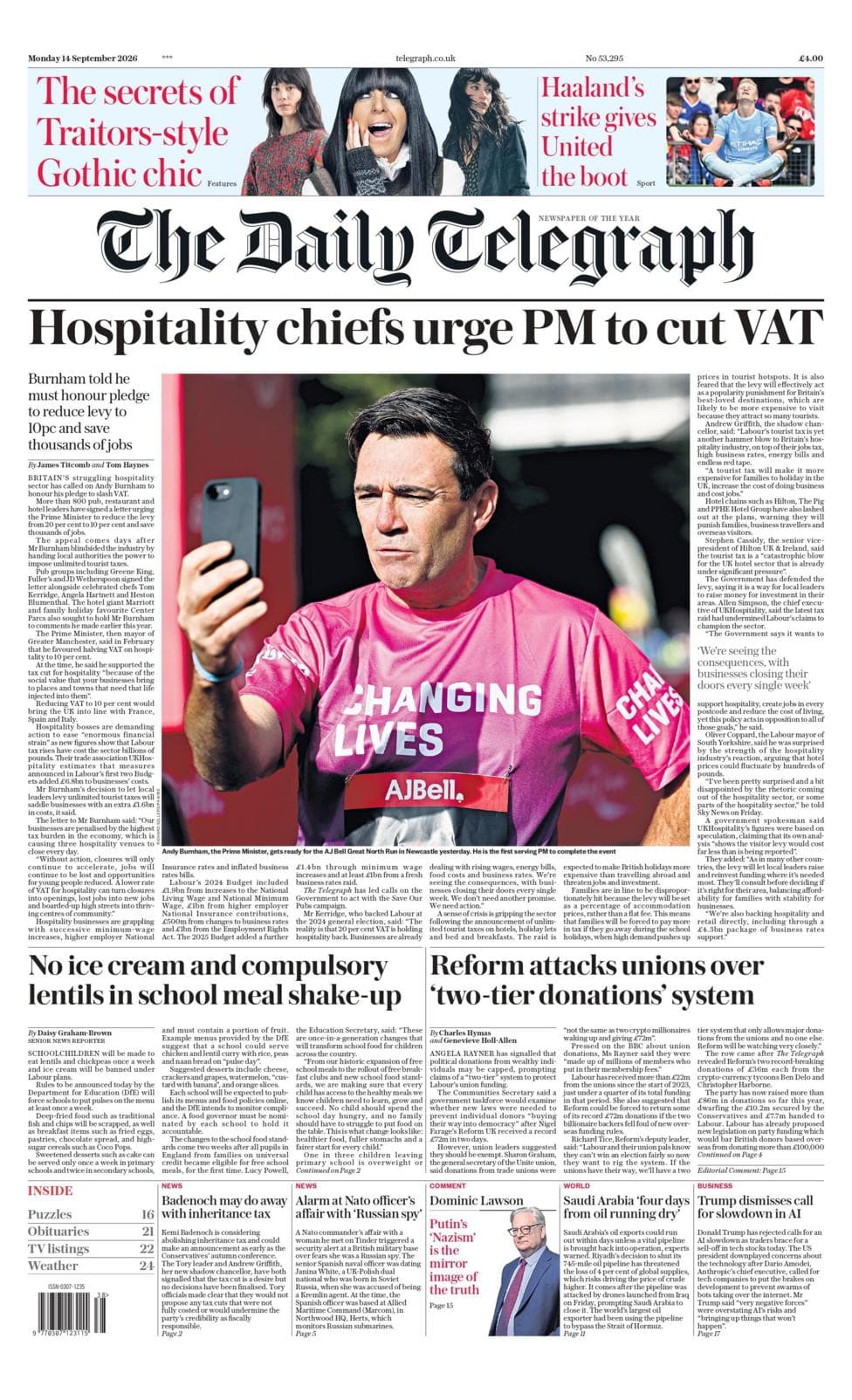
Newspapers across the UK lead on a range of political and policy stories, with school nutrition reforms, a security incident in Ukraine, and a major political donations controversy dominating front pages.
What are the proposed changes to school meals?
The Daily Telegraph reports that the government will introduce rules requiring schools to serve pulses—such as lentils, beans and chickpeas—on their menus at least once weekly across England. The paper frames this as part of a broader "school meal shake-up" that will reshape what children eat during the school day. According to the government's consultation documents, primary schools will begin implementing these changes in September 2027, with secondary schools phasing in the new standards from that date onwards. The proposals are currently out for a 9-week consultation period, with final details expected to be confirmed in September 2026.
How is the hospitality industry responding to tax changes?
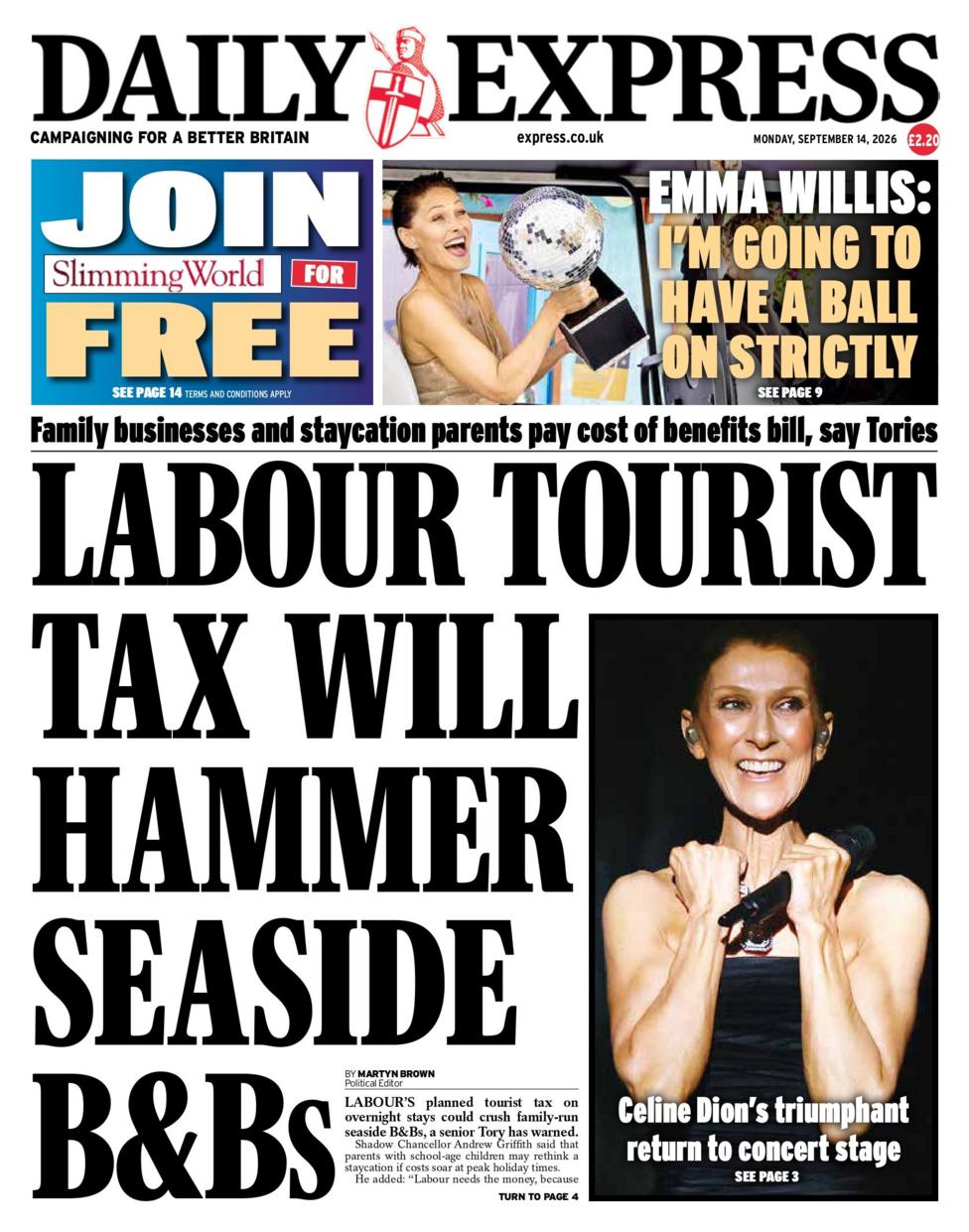
The Telegraph also reports that approximately 800 leaders from pubs, restaurants and hotels have issued a formal appeal to Prime Minister Andy Burnham requesting a reduction in VAT from 20 to 10%. The appeal follows the government's recent decision to grant local authorities the power to impose unlimited tourist taxes, a move the industry describes as damaging to family-run businesses. The Daily Express carries a similar story under the headline "Labour tourist tax will hammer seaside B&Bs", with the Conservative Party warning that family businesses and staycation parents will bear the cost of the government's policy.
What happened to Boris Johnson's train in Ukraine?
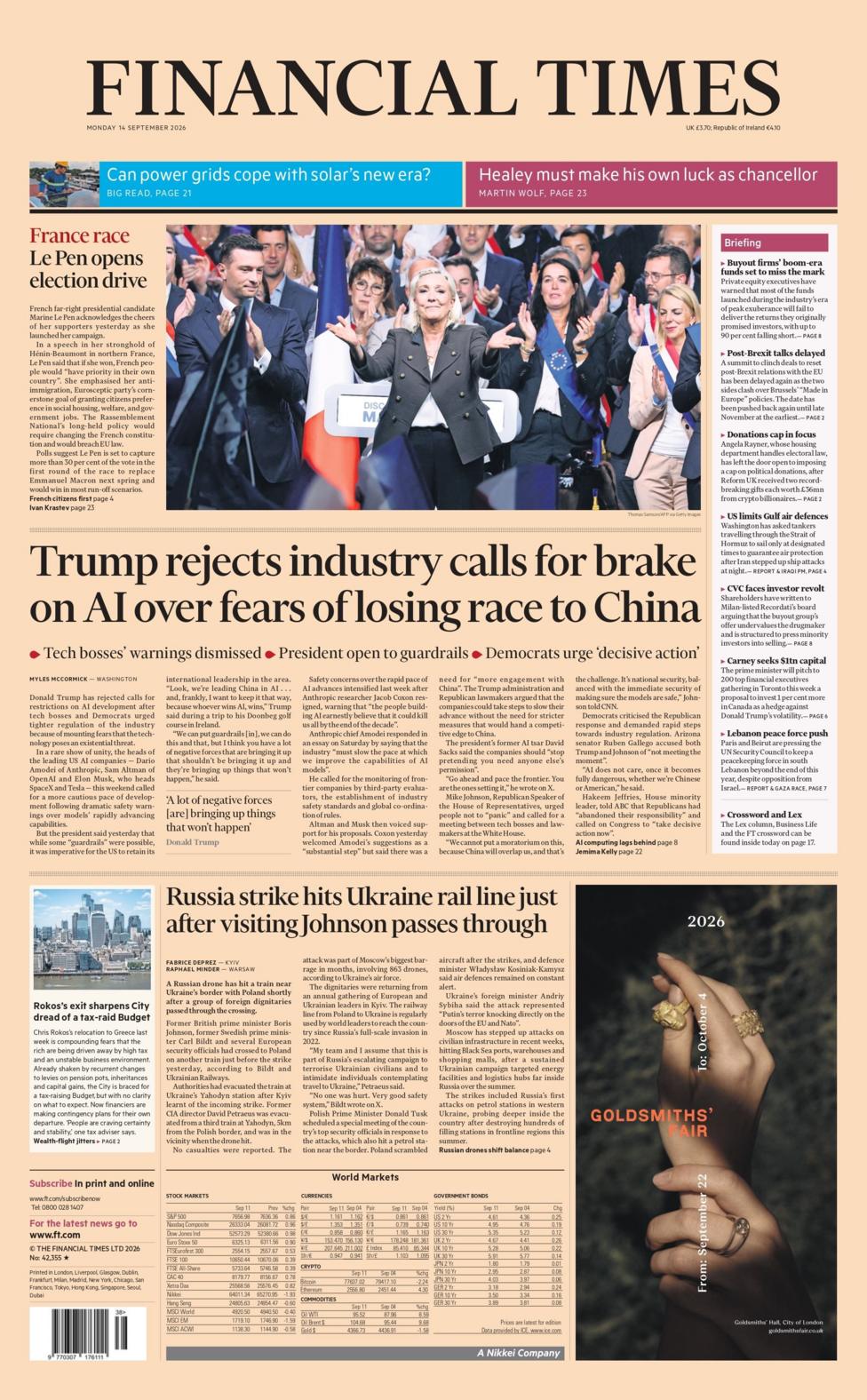
A Russian drone strike near the Ukraine-Poland border forced the departure of a train carrying former Prime Minister Boris Johnson and other visiting officials to leave ahead of schedule. According to reports from international news sources, the incident occurred near the Yahodyn-Dorohusk border crossing as the group was returning from a security conference in Kyiv. No injuries were reported in the attack. The Sun frames the story as "Boris flees Vlad drone blitz", while the Daily Mail asks whether Russian President Vladimir Putin deliberately targeted Johnson and top security officials, quoting experts who describe the explosion as a "Mafia style message straight from the Kremlin".

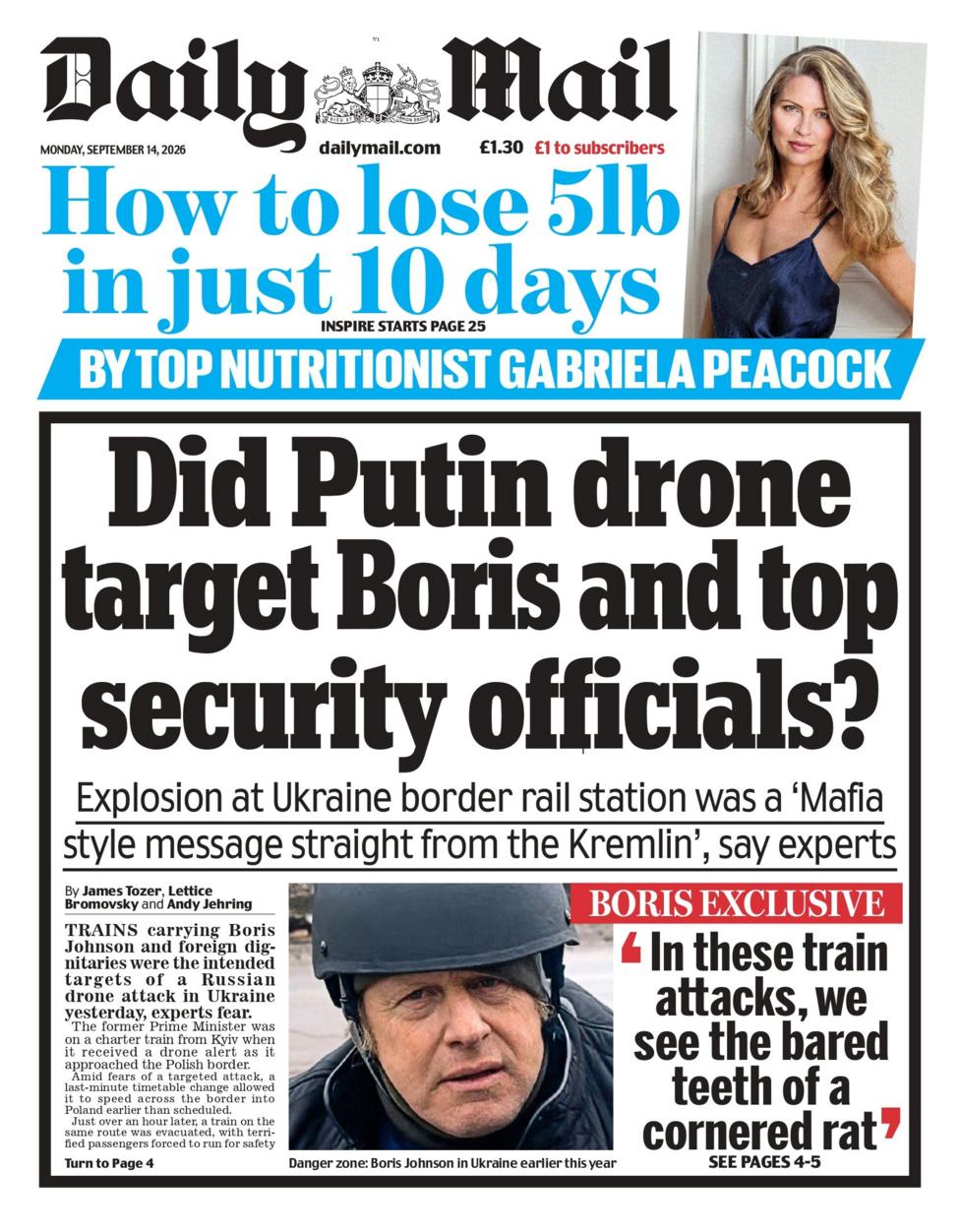
Following his evacuation from the train, Johnson urged stronger air defences for Ukraine, characterising the attack as "kind of random and senseless". In remarks to the Daily Mail, Johnson reflected on the broader pattern of such attacks, stating:
In these train attacks, we see the bared teeth of a cornered rat.

What is the controversy surrounding Reform's donations?
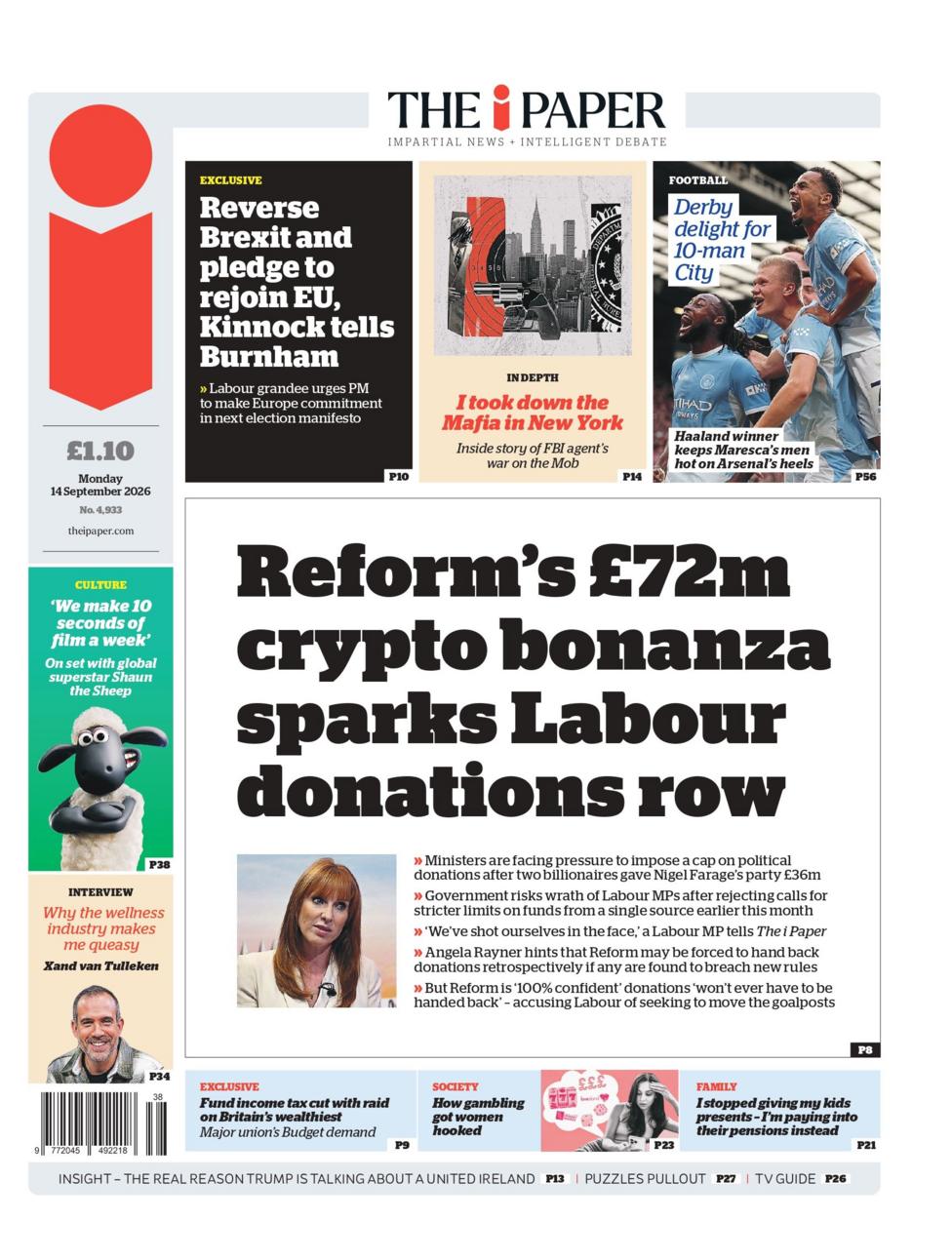
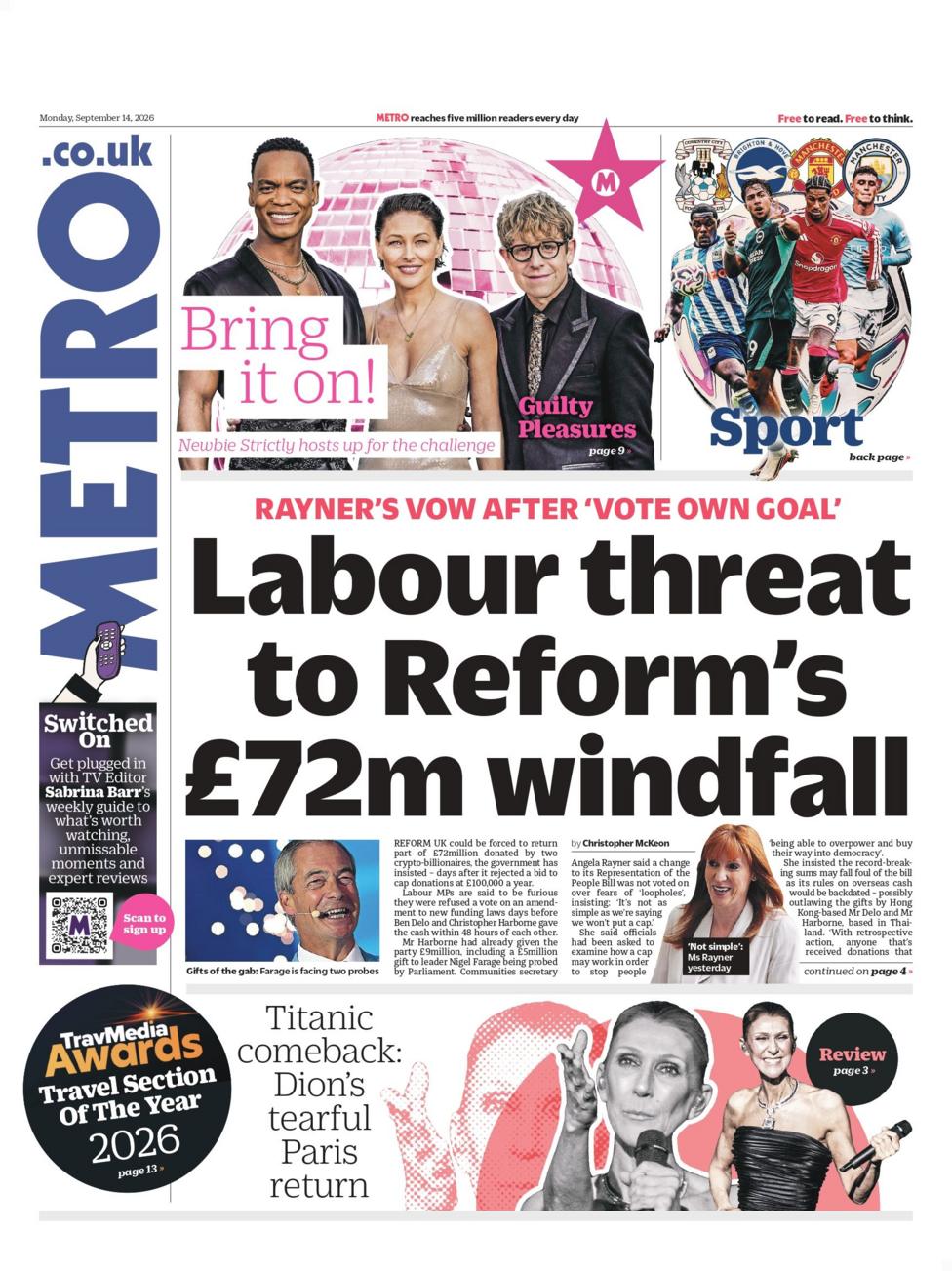
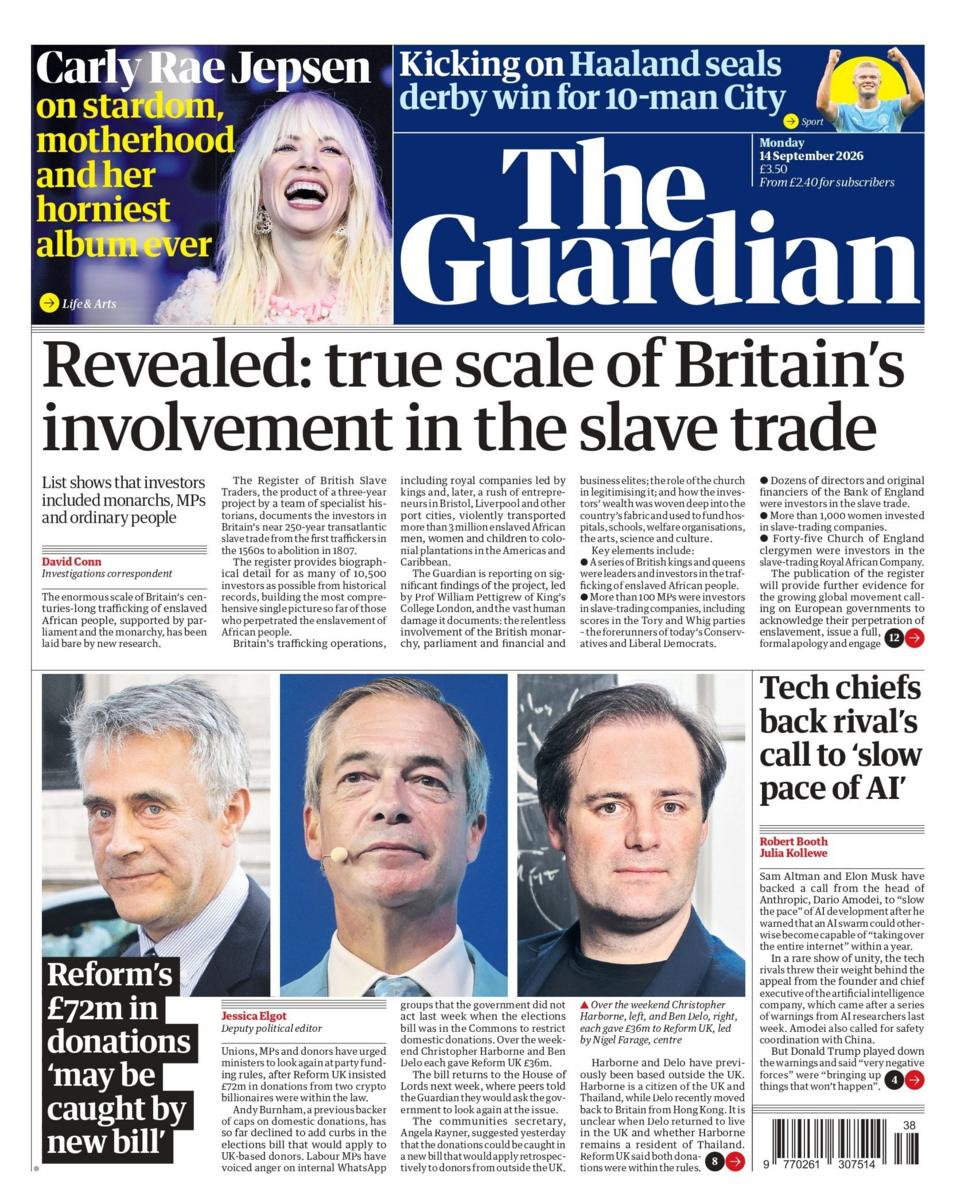
Two billionaires have donated a combined £36 million to Nigel Farage's Reform party, creating a political donations row that has sparked calls for stricter regulation. The i Paper reports that ministers are facing pressure to impose caps on political donations following these record-breaking sums. However, the government has already rejected earlier calls for stricter limits on funds from a single source, risking the anger of Labour MPs. The Metro notes that these record-breaking donations may fall foul of the government's amended bill proposal, as its rules on overseas cash would be backdated.
The Daily Mirror previews a House of Lords debate on the government's donations bill, which aims at "stopping mega gifts to all parties". Unite union boss Sharon Graham has warned:
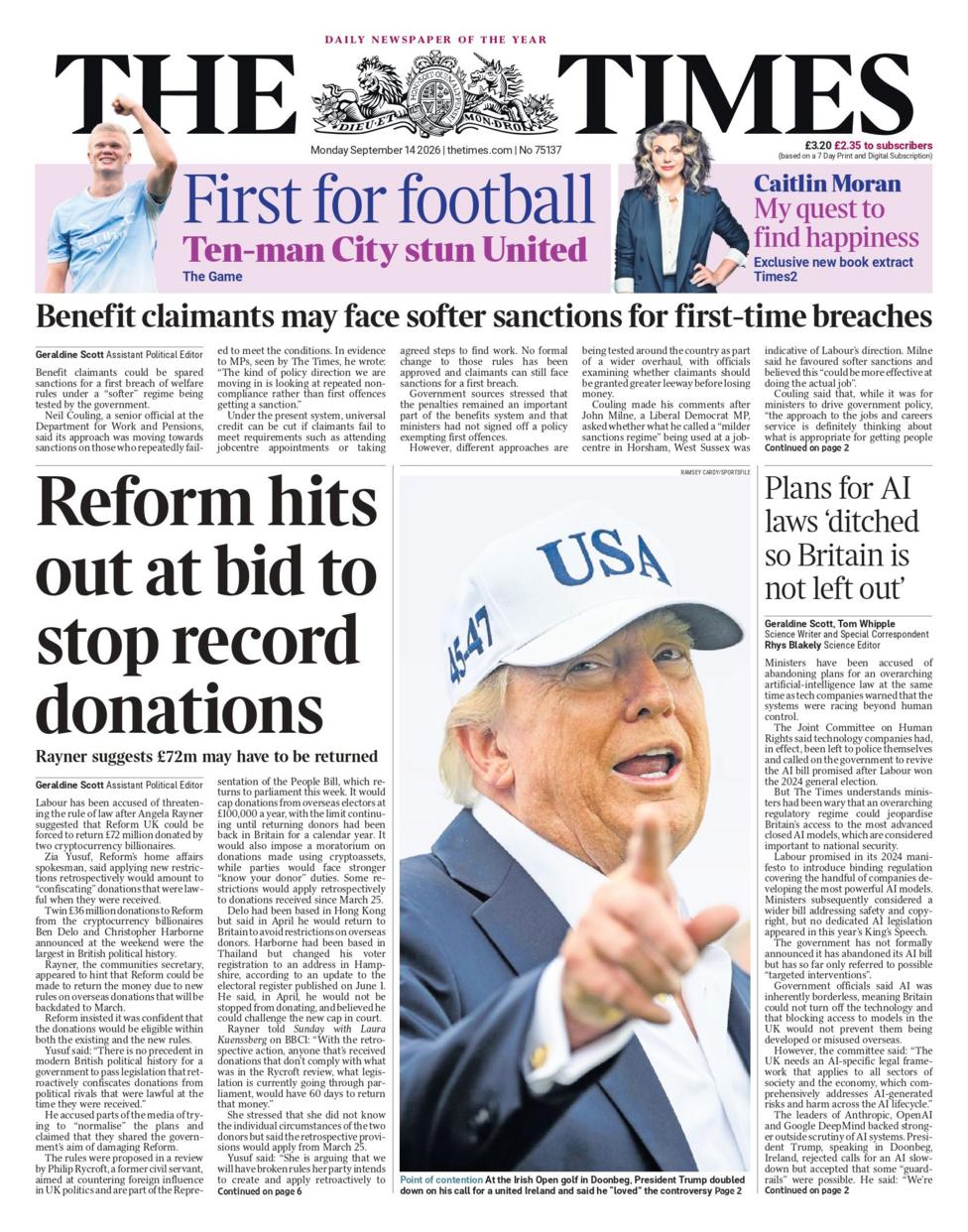
We must ensure Britain's democracy is not for sale.The Times reports that Reform is hitting out at efforts to stop the record donations, while the broader donations bill already includes a £100,000 annual cap on donations from British citizens living overseas and a ban on cryptocurrency donations until they are judged safe by the Electoral Commission.

What research has emerged on Britain's slave trade involvement?
A three-year research project led by specialist historians has compiled "The Register of British Slave Traders", documenting the scale of Britain's involvement in the transatlantic slave trade. The register identifies as many as 10,500 investors who participated in Britain's near-250-year involvement in the enslavement of African people. The research reveals that the system included monarchs, MPs and ordinary people across British society. This historical documentation project is being reported by a national newspaper as part of its coverage of how Britain's democratic institutions and society were shaped by and benefited from slavery.
What concerns have been raised about artificial intelligence regulation?
The Joint Committee on Human Rights has accused UK ministers of abandoning plans for an overarching artificial intelligence law at a time when tech companies are warning that AI systems are advancing beyond human control. The Times carries this criticism as part of broader coverage of the government's approach to emerging technology regulation. Meanwhile, the Financial Times reports that US President Donald Trump is rejecting industry calls for brakes on AI development, citing fears of losing the technological race to China. In a rare display of unity, Democrats and technology executives—including leaders from OpenAI and Tesla—have urged tighter regulation of AI systems, citing mounting concerns that the technology poses an existential threat to humanity.
What other stories are leading the papers?
Singer Céline Dion's return to the concert stage features prominently on the Daily Express front page. The Daily Star leads with former Liverpool manager Graeme Souness arguing that modern Premier League players lack the toughness of earlier generations, describing today's stars as "softies" compared to the "hardman" players of his era.

What happens next with these stories?
The school food standards consultation will run for nine weeks, with final policy details expected in September 2026 and implementation beginning in September 2027. The government's political donations bill still requires approval from the House of Lords before it becomes law. The hospitality industry's appeal for VAT relief remains under consideration by the government.