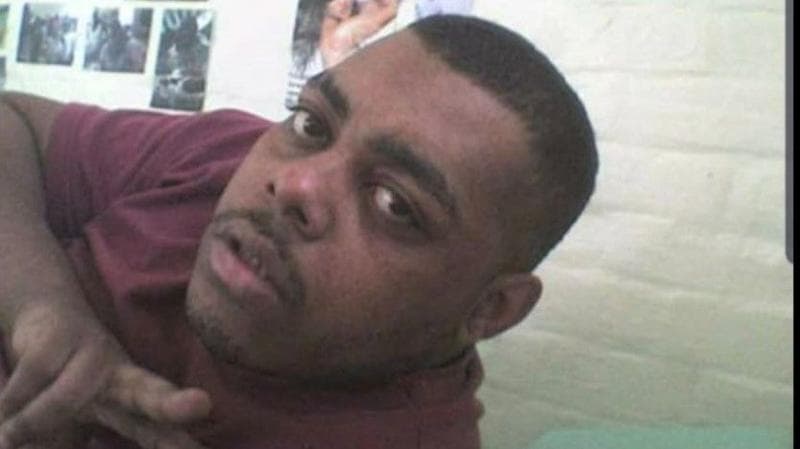
Leroy Douglas, now 45, has been approved for release by the parole board and is set to leave prison in October 2026 after spending more than two decades behind bars for stealing a mobile phone. Sentenced in 2005 to an indeterminate sentence of Imprisonment for Public Protection (IPP), Douglas has become one of hundreds still caught in a sentencing regime that was abolished 14 years ago but applied retrospectively to thousands. According to the latest Ministry of Justice data, 856 unreleased IPP prisoners remain in England and Wales as of 30 June 2026.
When Douglas was jailed at age 24, he was handed a minimum term of two-and-a-half years with no maximum sentence or release date. His family described receiving the IPP sentence as a "huge shock" because it meant indefinite detention. Douglas had struggled with drug addiction and carried a record of minor offences including shoplifting and petty crimes before the robbery conviction that would define his imprisonment.
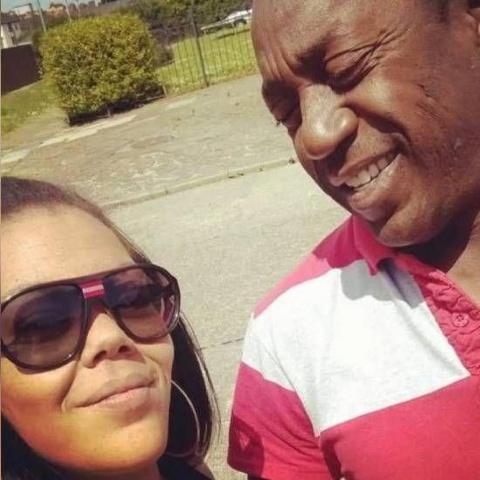
His father, Anthony Douglas, has spoken of the emotional toll the prolonged incarceration has inflicted on the family.
"It's like your son being killed - he's here but he's not,"he said, describing years of uncertainty as
"torture"for his son and relatives left in
"limbo"over his future. During his 21 years inside, Leroy lost his daughter, his cousin, and his grandparents—milestones his family could only mark through prison visits and phone calls.
What is an IPP sentence?
Introduced in 2005, IPP sentences were designed to detain offenders deemed a risk to the public without setting a release date. Prisoners had to serve a minimum term before becoming eligible for parole board consideration, but release was never guaranteed. Once freed, they remained subject to strict licence conditions and could be recalled to prison if they breached them. The sentence was widely criticised for being applied to relatively minor offences, leading to its abolition in 2012. However, the change was not retrospective, leaving thousands of prisoners—including Douglas—trapped under sentences that would no longer be handed down today.
Why has Douglas's case drawn attention?
Anthony Douglas has highlighted the disparity between his son's punishment and sentences given for far more serious crimes. He drew a direct comparison to Jeffrey Gaffoor, who murdered Lynette White in one of Wales' most notorious crimes by stabbing the 20-year-old to death in 1992. Gaffoor was released from prison in 2025 after serving 21 years—the same length of time Douglas has now spent inside for stealing a phone.
"Leroy stole a phone, how is it right?"Anthony asked.
Human rights lawyer Karen Todner played a crucial role in securing Douglas's release. She submitted a writ of Habeas Corpus application on behalf of Douglas and three other prisoners, arguing that their continued detention was unlawful. The writ, which requires authorities to justify a person's detention before a court, succeeded in establishing that their imprisonment violated legal principles. However, Todner has warned that Douglas's release conditions remain
"so stringent, his liberty is restricted."
What are the conditions of his release?
Douglas will not be returning home immediately upon leaving prison. According to reports on his parole board decision, his release conditions include living at a designated hostel address, a curfew, GPS monitoring via electronic tag, drug testing, and regular supervision. He will spend six months in a hostel located three hours away from his family in Cardiff, a distance that has prompted his sister Natalie Douglas to launch a petition calling for him to be housed closer to home.
The parole board's decision reportedly noted that Douglas's continued imprisonment was no longer necessary for public protection and acknowledged that he had engaged in work to address his offending behaviour. Yet his family believes the placement far from home sets him up to fail. Anthony expressed his frustration:
"It's like he's being taken out of the frying pan and into the fryer."He argued that Douglas needs family support for his wellbeing and fears he will be surrounded by people from the same environment he is trying to leave behind.

How has Douglas's imprisonment affected his mental health?
Anthony has raised concerns about the psychological impact of 21 years in prison on his son.
"He went in as a kid and will come out as a man. He's going to need counselling, he's suffering from mental pain and been sent away from family."Douglas applied for parole five times while imprisoned but was rejected each time, his family said, due to incomplete courses. Yet during his time inside, Douglas tested negative for drugs and had no history of violence, according to his relatives.
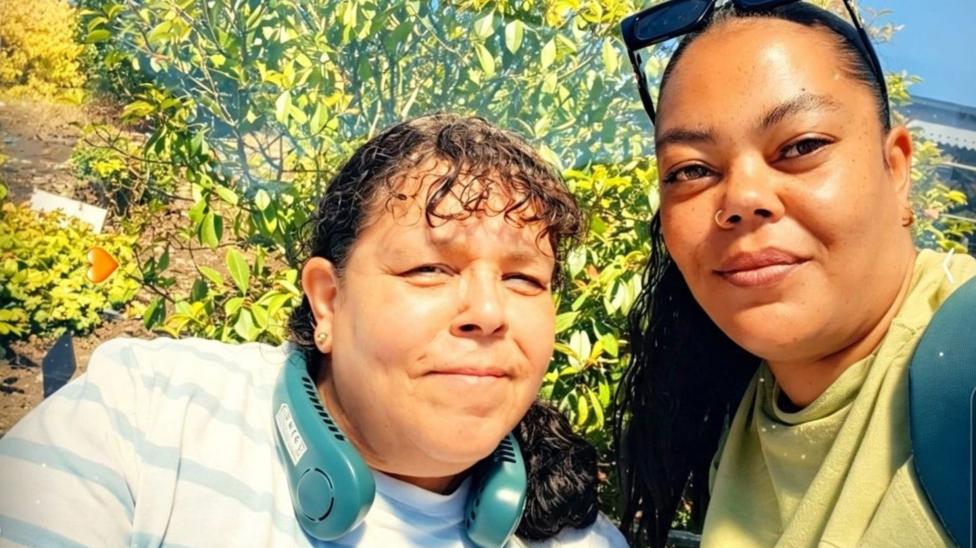
Natalie Douglas has described the emotional weight of the situation.
"I have a lump in the back of my throat just speaking about it,"Anthony said. Natalie and her mother have visited Leroy every month and spoken to him daily by phone, maintaining a connection that has sustained the family through two decades of separation. She is now campaigning to bring her brother closer to home, calling on the justice system to correct
"part of the years' worth of oversight."She said the family wanted to welcome him back with open arms and provide
"the support system he never had while being lost in this unforgiving system."
What is the broader picture of IPP prisoners?
Douglas's case reflects a wider crisis in the criminal justice system. According to a June 2026 justice bulletin, unreleased IPP prisoners have fallen by 12 per cent year-on-year, yet 856 individuals remain imprisoned under these sentences. Of that number, 850 were male and six were female, according to Ministry of Justice-linked data. Beyond those still in custody, a further 1,415 IPP prisoners are on recall, having been returned to prison after breaching licence conditions following their release.
When IPP sentences were scrapped in 2012, the government did not apply the change retrospectively, meaning thousands of people already serving these sentences remained trapped. The United Nations has criticised IPP sentences as violating serious human rights. Anthony Douglas questioned why his son remains subject to such strict conditions after serving his time:
"I'm just astounded, 20 years they wouldn't let him out, but they still put conditions on it."
When asked by Anthony about the reasoning behind the release conditions, the prison provided no response. He believes his son has been
"tortured"for an offence that would not result in such a sentence today.
What is the government doing about IPP sentences?
The government has acknowledged the injustice of IPP sentences. On 1 September 2026, Prime Minister Andy Burnham told MPs that the government will "finally grasp the nettle" on indefinite IPP sentences, after promising legislation to end them before the end of parliament. A statement from the Ministry of Justice said:
"It is right that IPP sentences were abolished and, as the prime minister and lord chancellor announced, we will set out plans to end the historic injustice of these sentences. This will take a cross-party approach to propose a way forward with public protection and victims at the heart of these reforms."
The ministry also noted that support for IPP offenders has improved significantly, with greater access to rehabilitation and mental health support. Data shows the number of people serving IPP sentences in the community has been cut from 3,018 in December 2023 to 891 in December 2025, indicating progress in releasing prisoners, though hundreds remain behind bars.
What happens next for Leroy Douglas?
Douglas is expected to move to a hostel and leave prison in October 2026. His release marks a small victory after more than two decades of fighting for freedom, yet the conditions attached to his release and his distance from family remain sources of concern for those who have campaigned for him. His sister's petition continues to push for his placement to be moved closer to Cardiff, where his family can provide the support network he will need as he rebuilds his life outside prison walls.
The government has committed to bringing forward legislation to end IPP sentences before the end of this parliament, offering hope that future prisoners will not face the same indefinite limbo that has defined Douglas's adult life.