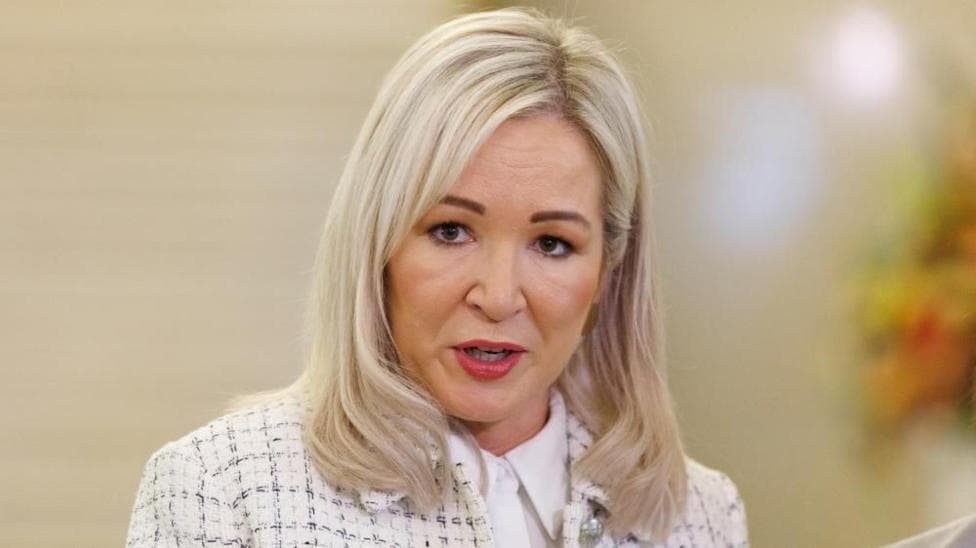
First Minister Michelle O'Neill has indicated she expects to receive correspondence from the Police Service of Northern Ireland (PSNI) as part of a criminal investigation into demonstrations against an Orange Order march along the Garvaghy Road. The police began issuing letters on 8 October to individuals "reasonably suspected" of committing offences connected to the protests, which took place on 27 September when politicians and residents blocked the contentious route.
O'Neill made her remarks on Friday while visiting the offices of the Bank of America in Belfast. When asked whether she anticipated receiving a letter from the PSNI, she responded affirmatively, stating she would "respond accordingly" when it arrives. She has previously defended her participation in the demonstration, declaring she was "proud to stand with the residents" and emphasising that "when the law is wrong, I will stand firmly against it".
According to reporting from the Irish media, the PSNI had gathered evidence and progressed to the interview phase of its investigation by early October. PSNI Assistant Chief Constable Davy Beck indicated that the letters would concern the interview process. The police have not publicly identified those receiving correspondence, though several elected representatives have confirmed their receipt.
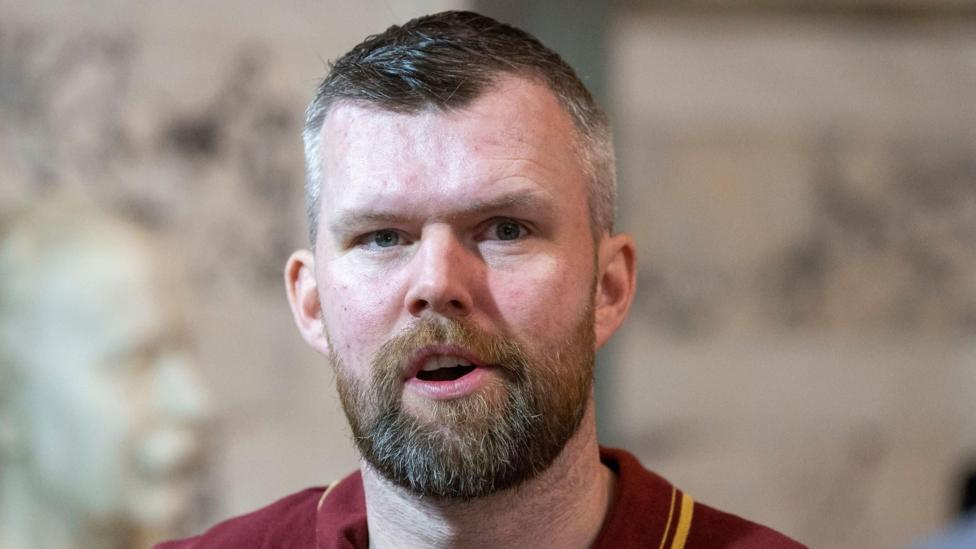
People Before Profit MLA Gerry Carroll has confirmed he received a letter and will attend a voluntary interview under caution. Speaking to the BBC's Good Morning Ulster programme, Carroll characterised the protests as "peaceful civil disobedience" and stated he made "no apology" for "standing up and with the people of the Garvaghy Road". He also criticised the policing operation as "a waste of time and public money".
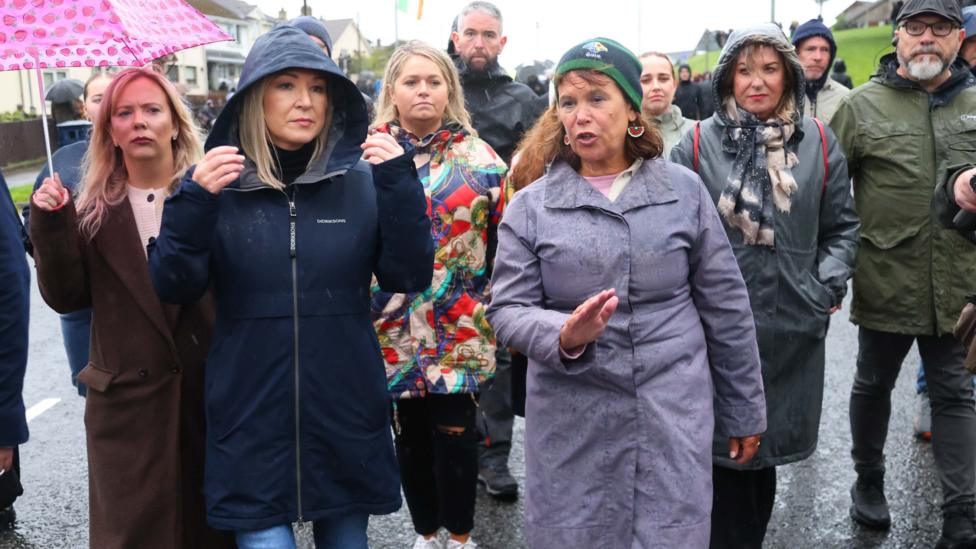
Sinn Féin representatives have also received police correspondence. A party spokesperson stated on Thursday that "a number of representatives and party members have received correspondence from the PSNI" and reiterated that "standing up for what is right is always the right thing to do". According to additional reporting, Sinn Féin president Mary Lou McDonald also attended the demonstration alongside O'Neill.
Sinn Féin MLA Deirdre Hargey, who was pictured participating in the protest, said on Thursday evening that she had not received a letter from the PSNI "as of this evening" but indicated she would attend an interview if requested. Social Democratic and Labour Party leader Matthew O'Toole, who also took part in the demonstration, told The View programme he had not received correspondence but would comply with any interview request.
What prompted the police investigation?
The PSNI launched a criminal investigation into the protests after the Parades Commission authorised a restricted Orange Order march down the Garvaghy Road on 27 September. According to official announcements, Chief Constable Jon Boutcher announced on 30 September that the investigation had begun. The policing operation connected to the dispute has cost approximately £3 million so far, with police deploying substantial numbers of officers to the Garvaghy Road.
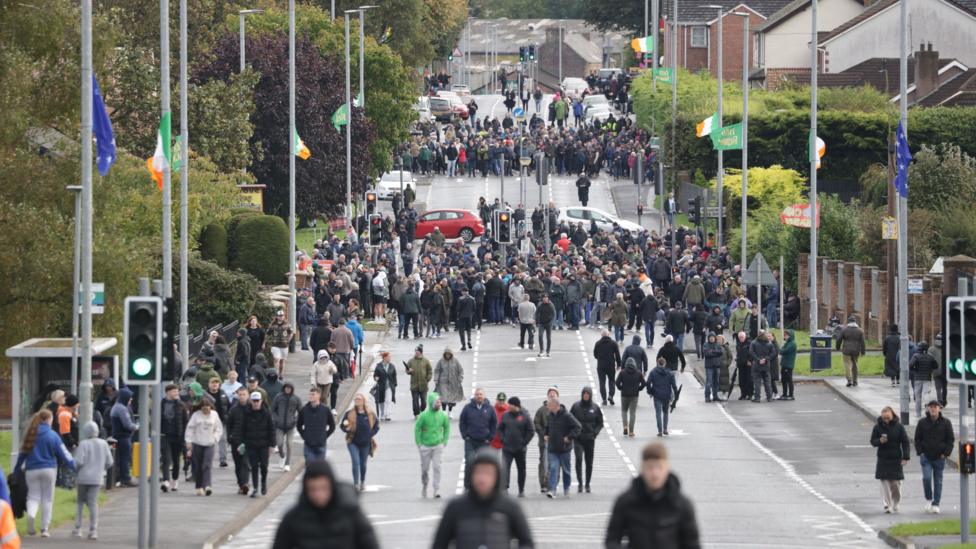
On the morning of 27 September, up to 1,000 people—including senior politicians—occupied the road and prevented Orangemen from marching from Drumcree Church, located approximately one mile to the west. Since then, residents have maintained a continuous presence around the road while Orangemen have repeatedly attempted to march the route, only to be turned back by police.
Unionist politicians have called for action against O'Neill and other senior Sinn Féin figures who participated in the protests. Deputy First Minister Emma Little-Pengelly of the Democratic Unionist Party (DUP) welcomed developments in the PSNI investigation when speaking to reporters outside the Bank of America engagement. DUP leader Gavin Robinson told the Nolan Show he expected "to see sanctions" for those investigated by police.
The stand-off has created significant political turbulence in Northern Ireland, with O'Neill facing a vote of no confidence over her involvement. That vote is expected to fail because it requires cross-community support at the Northern Ireland Assembly.
Understanding the Drumcree dispute
The Drumcree parading row represents one of Northern Ireland's most enduring constitutional conflicts. The Garvaghy Road has been part of the Orange Order's Drumcree march route since 1807, but the route became a flashpoint for communal tension in the mid-to-late 1990s. When the Orange Order was prevented by police from walking down the route in July 1995, a tense stand-off ensued. Similar confrontations occurred for the next three years, accompanied by riots, roadblocks and killings.
The Parades Commission was established in 1998 to regulate parades and attempt to defuse tension around marches. Its 1998 decision to bar the march down the Garvaghy Road remained in place for 28 years, until the commission approved a restricted march in September 2026 following a High Court ruling that had quashed the original determination.
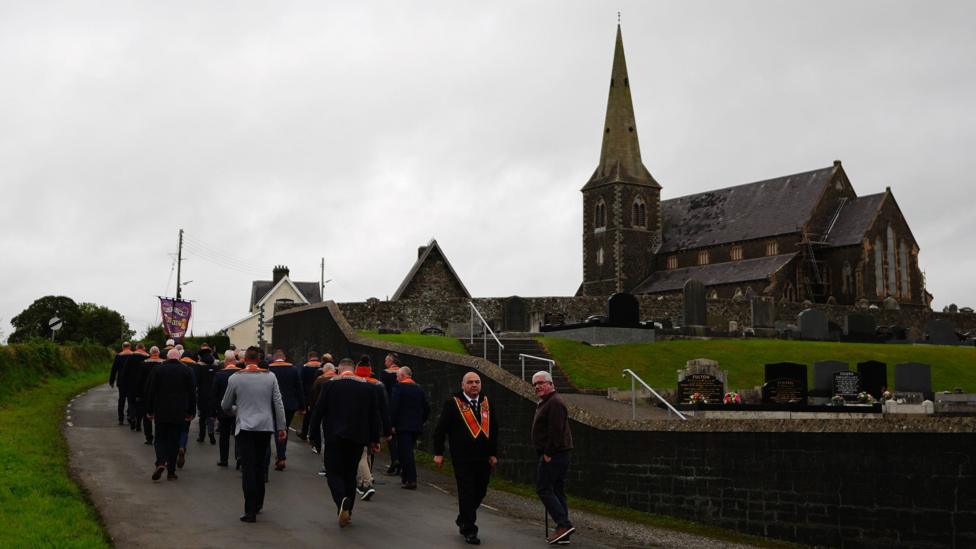
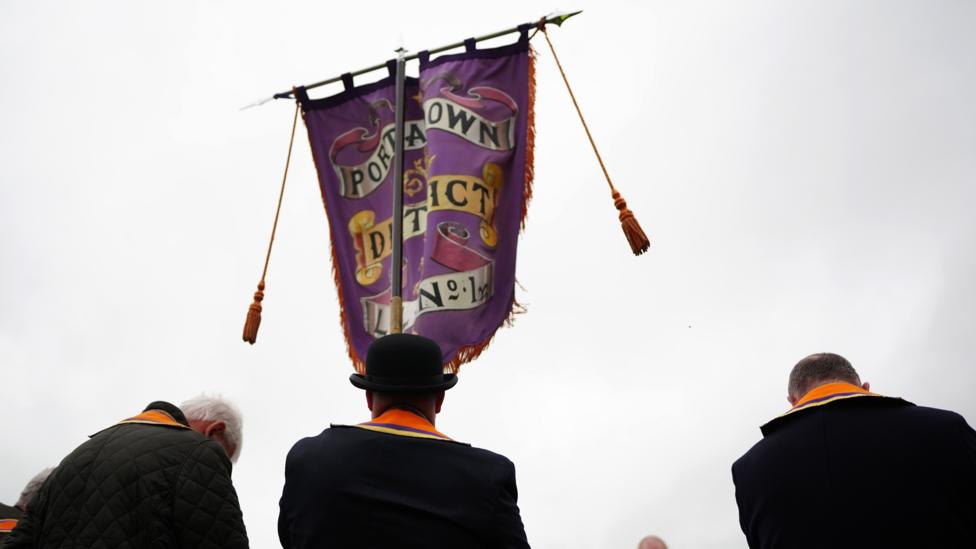
The Portadown District of the Orange Order has stated it will "not give up" its right to march down the Garvaghy Road as determined by the Parades Commission. In a statement on Thursday evening, the district welcomed the "initial limited steps" taken by the PSNI and wrote to Chief Constable Boutcher requesting he take "active steps to discharge his positive obligation to police the determination".
The Court of Appeal is currently considering its ruling in a legal challenge brought by residents seeking to block the march from proceeding. Negotiations over the dispute remain stalled, with the Orange Order indicating on 1 October that no formal resolution proposals had yet been tabled following meetings with the Secretary of State.
What happens next in the investigation?
The PSNI investigation is proceeding to the interview phase with individuals it reasonably suspects of committing offences. Those who have received letters are being invited to attend voluntary interviews under caution. The police have not publicly named those receiving correspondence, though elected representatives from Sinn Féin and People Before Profit have confirmed their receipt and indicated their willingness to participate in interviews.
The outcome of these interviews and any subsequent prosecutions could have significant implications for Northern Ireland's political landscape, particularly given the involvement of senior government figures in the protests.