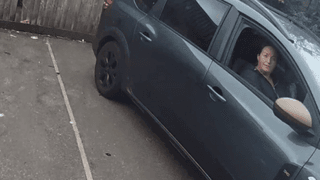
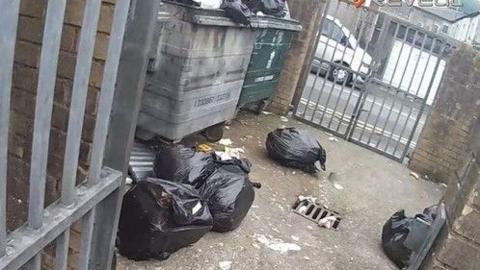
A 37-year-old woman has been prosecuted and had her vehicle permanently seized after being caught illegally dumping household waste in Newport. According to BBC News, Eileen McDonagh of Thirlmere Place in St Julians was spotted depositing rubbish in the Pillgwenlly area and subsequently convicted of fly-tipping and breaching her duty of care regarding household waste disposal.
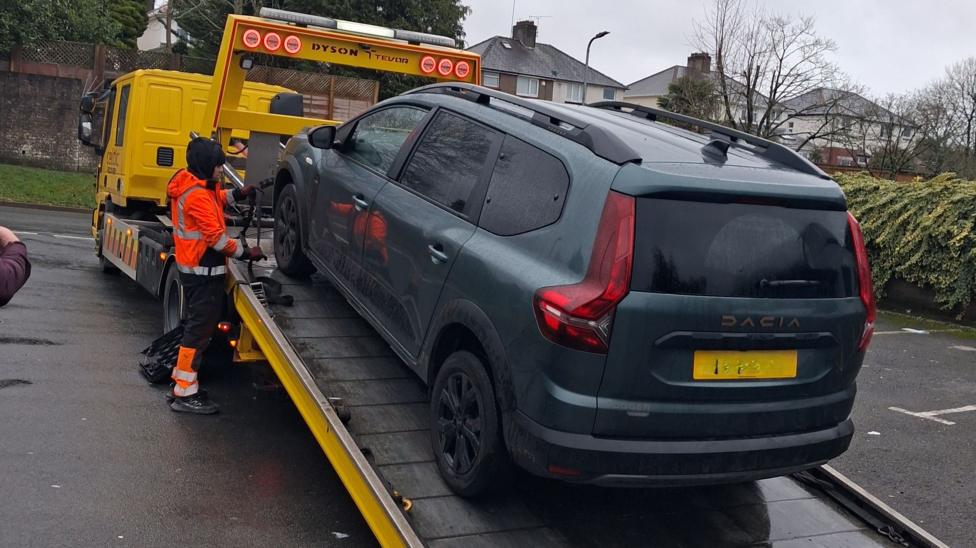
Following a trial at Newport Magistrates' Court in October, McDonagh was found guilty and ordered to pay a total of £3,828.48, comprising a £480 fine, £3,156.48 in costs, and a £192 victim surcharge. The vehicle she used to transport and dump the waste has been permanently confiscated by Newport Council and will not be returned.
How was the offence discovered?
Environmental protection and community safety enforcement officers from Newport Council observed McDonagh dumping household waste in the car park of Windmill Square in October. When approached by the officers, she drove away from the scene. The council's investigation team subsequently identified and prosecuted her under environmental law provisions that grant local authorities the power to seize vehicles involved in waste crimes.
What legal powers allow vehicle seizure?
Newport Council cited Section 5 of the Control of Pollution Act (Amended) as the legal basis for confiscating the vehicle used in the commission of the offence. Under these provisions, vehicles involved in waste crimes can be seized during investigation, and if a case proceeds to court, the vehicle may be held for the duration of the prosecution. The council explained that the vehicle will not be returned to McDonagh.
What is the council's broader enforcement approach?
Yvonne Forsey, cabinet member for climate change, waste and recycling at Newport Council, stated that
fly-tipping is a serious crime. It blights our communities and the council will take action against those responsible whenever it can.She emphasised that
collections of recyclable domestic waste, which makes up most of what people throw away, are made weekly from people's doorsteps so there is absolutely no excuse for not disposing of it legally and responsibly.
In 2025/26, Newport Council reported enforcement action including more than 1,000 warning letters, over 500 notices, and 276 fixed penalty notices issued by officers, with 23 cases progressing to prosecution. The council's efforts appear to be having an impact: Newport Council recorded an 11.1% fall in fly-tipping incidents in 2025/26, with 6,505 incidents compared with 7,318 in 2024/25.
How widespread is fly-tipping across Wales and beyond?
Fly-tipping remains a significant enforcement challenge across the UK. Newport had previously recorded the highest number of fly-tipping incidents of any Welsh local authority in 2024/25. Other councils are adopting increasingly robust measures: Hillingdon Council in West London has begun posting CCTV images of suspected fly-tippers on social media, generating over 850,000 views and 2,500 comments, and has seized vehicles linked to dumping as part of its enforcement strategy. In Cornwall, authorities are intensifying their response with fines up to £5,000 and covert cameras, following 17,500 incidents recorded over five years and a 27% surge in 2024/25.
What penalties do fly-tippers face?
The McDonagh case demonstrates the escalating consequences of fly-tipping convictions. Beyond the financial penalties imposed—fines, prosecution costs, and victim surcharges—vehicle seizure represents a significant additional sanction. Councils across the country are empowered to issue fixed penalty notices, warning letters, and formal notices before pursuing prosecution. Some authorities, including those in Wales, have seen enforcement actions rise substantially as they prioritise tackling illegal dumping.