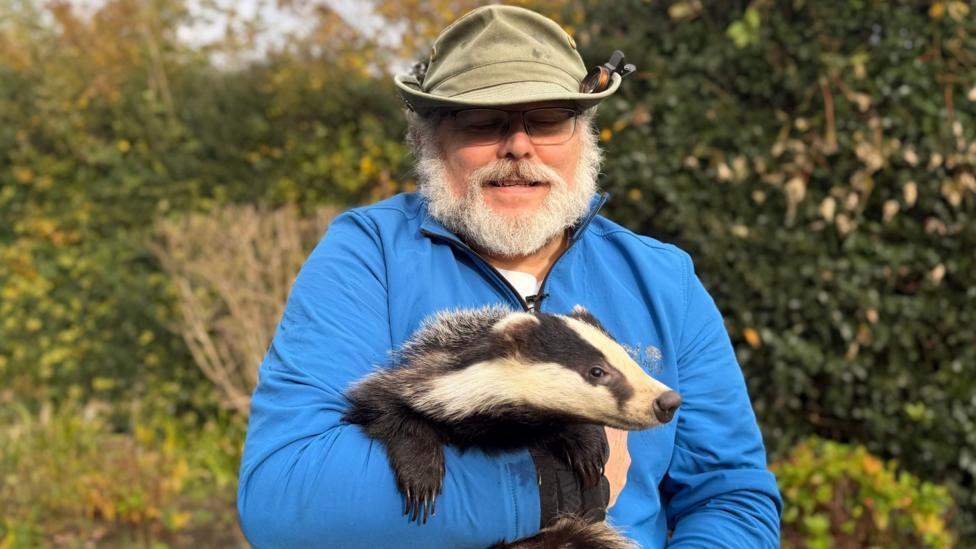
An ecologist from the Scottish Borders has abandoned his legal battle to keep a badger he rescued and nursed back to health, accepting that the animal will instead be relocated to a licensed facility. Graeme Wilson, who operates a small wildlife rehabilitation service from his home in Denholm, had sought permission from NatureScot to retain the badger—named Harriet—using an educational licence, but the application was rejected. According to BBC News, Wilson has now confirmed that Harriet has been moved to a new licensed home and he intends to step back from wildlife rescue work.
Wilson discovered Harriet in a cattle trough approximately 300 feet from her sett after being called to assist. He became convinced that the badger had been hand-reared by humans before her discovery and would be unable to survive if released into the wild. The Telegraph reported that Wilson, 55, stated he and other rescuers and veterinarians were "almost 99 per cent" certain Harriet had undergone hand-rearing prior to his intervention.
When NatureScot declined his educational licence application, three major animal welfare organisations issued a joint statement criticising his actions. The British Wildlife Rehabilitation Council, Scottish Badgers, and the Badgers Trust all raised serious animal welfare concerns about his proposal. The BWRC, which operates in wildlife casualty welfare across the UK, suspended Wilson's membership, stating he had not upheld its principles. The council opposes permanent captivity of any native British wild animal and maintains they should be humanely euthanised in all but exceptional circumstances if they cannot be returned to the wild.
NatureScot had advised that Harriet should either be transferred to a wildlife park or released with free access to her surroundings, without restricting her movements or putting her on display, according to guidance the organisation provided during the application process.
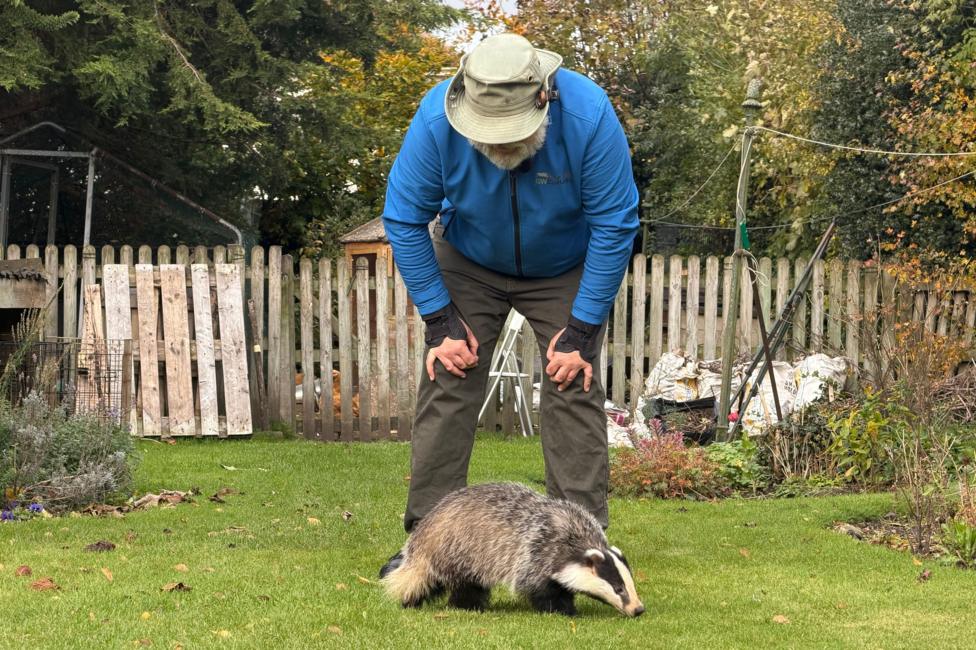
Wilson told BBC Scotland News that he had decided to relinquish his fight to retain Harriet.
I always said, I'd be delighted if Harriet could stay with me, but I'd be heartbroken if she had to go. However, I just wanted her safe and that was all this was about.He expressed relief that Harriet would now be secure in her new environment.
She is now somewhere safe and free from the threat of being forced into release where she was likely to die or euthanasia or going to a zoo where she was going to be stressed out—none of them are going to happen now. She's going to have a long, happy life.
The public response to Harriet's situation had been substantial. Delta News reported that more than 5,000 people had signed a petition supporting Harriet's welfare, and a GoFundMe page had also been established to assist with her care.
Wilson confirmed his intention to take a temporary break from wildlife rescue following the statement issued by wildlife organisations. He indicated that the public criticism had prompted some individuals to approach him and a colleague with what he described as "very nasty" comments. He stressed that from the beginning he had worked in consultation with veterinarians, badger groups, and other rehabilitation specialists, and that all decisions regarding Harriet's care had been informed by those discussions.
What the wildlife organisations said
Scottish Badgers acknowledged the emotional nature of the situation, recognising why so many people had been moved by Harriet's story and the difficult debate surrounding her future.
Nobody wants Harriet to suffer. Like everyone we want this badger to live, and above all to live the best life that is possible for her now.The organisation noted that with Harriet now in a sheltered environment, attention should focus on her long-term welfare and ensuring that arrangements genuinely address her full range of needs.
Scottish Badgers also used the case to highlight broader lessons for wildlife rescue coordination. The organisation stated that the situation demonstrated the importance of establishing clear responsibilities and coordinated action from the earliest stages when challenging situations of this nature arise.
Guidance for finding an injured badger
The Badger Trust provides advice for members of the public who encounter an injured or unwell badger. If you discover such an animal, contact a reputable and experienced wildlife rescue centre, a local badger group, the RSPCA, or the Scottish SPCA for guidance. A young badger found alone is not necessarily orphaned, so it is important to seek professional advice before taking any action. When safe to do so, maintain distance from the animal, note its location and condition, and keep people and dogs away from the area. Do not attempt to feed, move, take the badger home, or handle it directly. Allow experienced rescuers to assess the situation and determine the appropriate next steps.
What happens next
Wilson indicated that he would provide a further update once Harriet was safely settled in her new licensed home. No specific date for her relocation or subsequent statement has been announced.