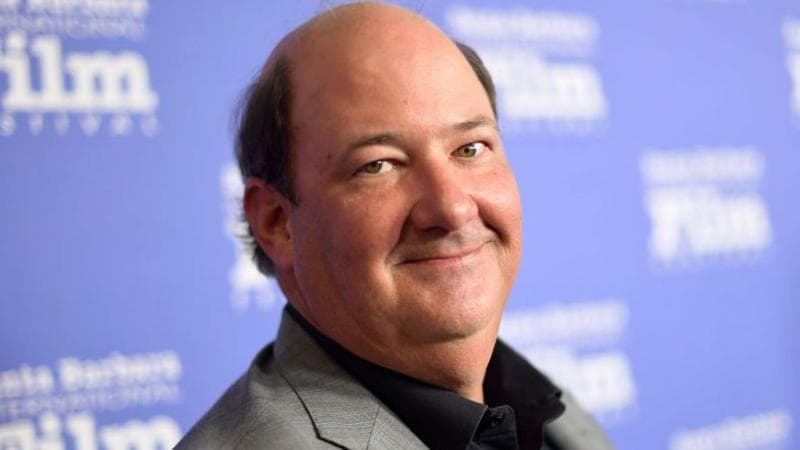
Brian Baumgartner, an actor recognised for playing Kevin Malone in the American adaptation of The Office, is one of six candidates seeking election as rector of St Andrews University. His candidacy follows a visit to the institution during the summer, during which he expressed his admiration for the campus and its surroundings.
In remarks delivered to the student body, Baumgartner stated that he
fell in love with the town's culture and history. He has committed to
continue the storied tradition of comics and performers serving as rector, and pledged to
engage with students, and bring his humour and love for St Andrews to the role.
Social media posts from Baumgartner document his time at the Old Course, where he was photographed golfing. In one post, he wrote:
Scotland - you have captured my heart.
The rectorship at St Andrews carries substantial institutional weight. According to the university's governance information, the rector serves as President of the University Court and presides over meetings that determine critical matters including budget allocations and academic policies. The rector opens and closes Court meetings, while the Senior Lay Member chairs substantive business decisions.
Who are the other candidates?
The remaining five contenders represent a mix of political, military, and medical backgrounds. Q Manivannan, a Scottish Green Party MSP elected to the Scottish Parliament earlier this year, is among them. Manivannan, who describes themselves as
a proud St Andrews alumnus, has called for
safe and affordable housing, more artistic spaces, and the opportunity to express their anger at the state of the world, without fear of risk of isolation. They have characterised the current rector's treatment as unfair.
The other four candidates are Dr Arthur Bernhoff, a St Andrews graduate employed as an analyst at the Ministry of Defence; Mark Brunner, who has previously lectured at the university's school of international relations; Dr Conor Philip, a physician and recent graduate of the institution; and Dr Edison Yau, a student doctor who completed their studies at St Andrews this year.
What is the history of the rectorship?
The position of rector exists at Scotland's oldest universities and is elected by the student body every three years. St Andrews has a distinguished tradition of appointing notable figures to the role. Previous rectors have included authors JM Barrie and Rudyard Kipling, and Monty Python founding member John Cleese.
What is happening with the current rector?
Stella Maris, the sitting rector, is not standing for re-election on the ballot. However, according to reporting from July 2026, Maris has indicated her intention to seek re-election despite the ongoing dispute with the university.
Maris's tenure has been marked by conflict with the institution's leadership. She was initially removed from the University Court in August 2024 following comments she made regarding the Israel-Gaza conflict, but successfully appealed the decision and was reinstated nine months later. A second removal occurred in January 2026 after she objected to proposed changes to the composition of the university's governing body. She was reinstated once more after she modified her position on governance rules.
In March 2026, Lord Keen issued a ruling that determined the university had acted lawfully in removing Maris from University Court, though he indicated she could return if she accepted collective responsibility. Maris subsequently signed a written undertaking to this effect.
When will the election take place?
Students will cast their votes on 15 and 16 October 2026, according to the university's election schedule. The election will be administered by Civica Election Services. The rector's term is set to end in October 2026, marking the conclusion of the current electoral cycle.
Key Facts
- Brian Baumgartner, known for The Office, is one of six candidates for St Andrews rector
- The rector serves as President of the University Court and presides over decisions on budgets and academic policies
- Current rector Stella Maris intends to seek re-election despite a prolonged dispute with the university over governance and her comments on the Israel-Gaza conflict
- Voting takes place on 15–16 October 2026
- The rectorship is elected by the student body every three years