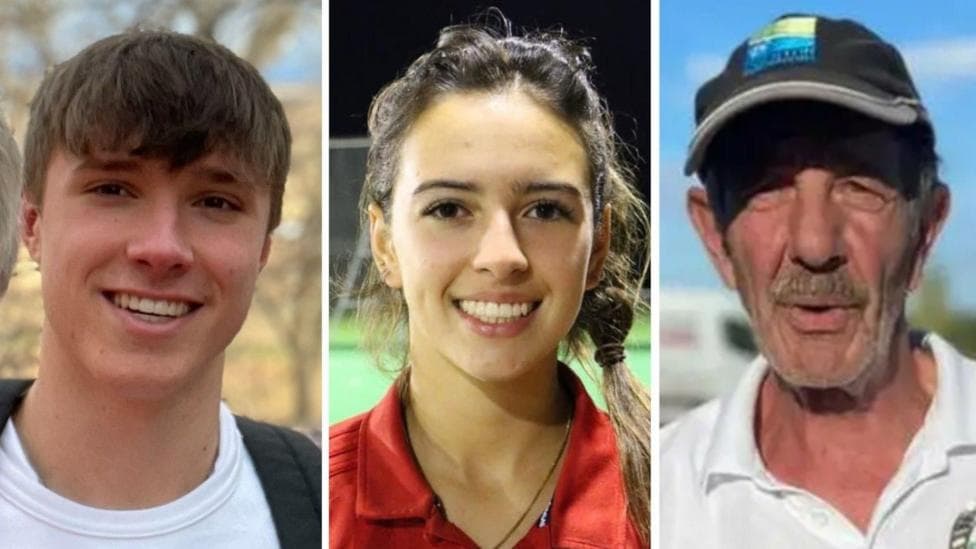
Barnaby Webber, Grace O'Malley-Kumar and Ian Coates were fatally stabbed by Valdo Calocane on 13 June 2023. During closing hearings of the Nottingham Inquiry, medical experts concluded that one victim's death could have been prevented with faster emergency intervention, though the other two deaths were deemed unavoidable.
The inquiry heard that Barnaby Webber faced less than a 50% chance of survival given the severity of his injuries, which were classified as "potentially preventable". In contrast, the deaths of Grace O'Malley-Kumar and Ian Coates were assessed as "not preventable" by the panel of medical professionals who reviewed the emergency response on the day of the attacks.
What could have changed the outcome?
A "more rapid administration of blood products" could have increased Barnaby's chances of reaching hospital with sufficient cardiac function to undergo surgery, the inquiry was told on Tuesday ahead of closing statements. However, the medical panel noted that even with earlier and faster blood transfusions, multiple other rapid and specific interventions would have needed to occur simultaneously for him to have survived.
The panel acknowledged the dedication shown by emergency responders in their care of the victims. Their assessment was presented to the inquiry by counsel Rachel Langdale KC, as the families of the victims listened. Grace's father, Dr Sanjoy Kumar, left the hearing room as the findings were read aloud, while other family members wept.
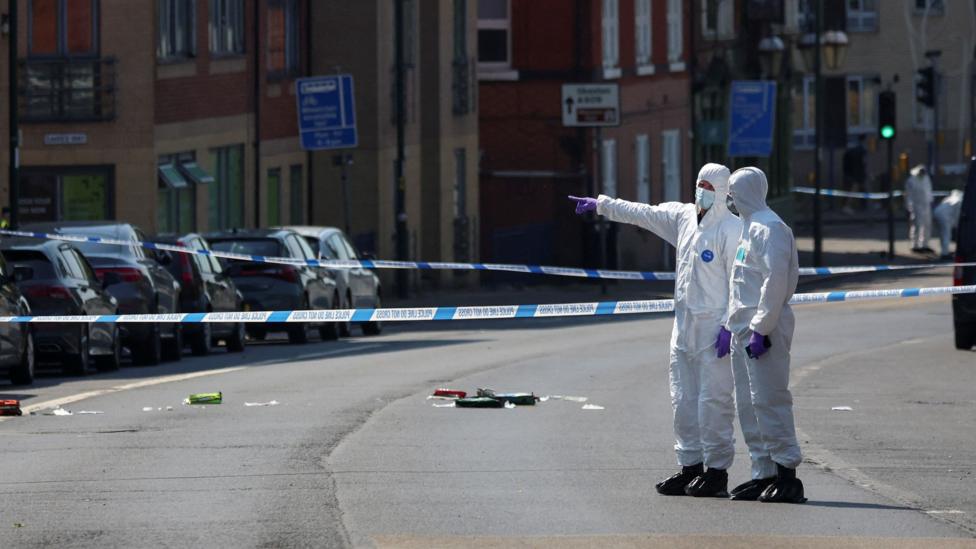
Calocane, who was diagnosed with paranoid schizophrenia in 2020, also seriously injured three others during the attacks. He is currently serving an indefinite hospital order in a high-security facility after pleading guilty to three counts of manslaughter on grounds of diminished responsibility and three counts of attempted murder.
What has the inquiry revealed so far?
The Nottingham Inquiry began hearing evidence in February, with over 100 witnesses questioned across three months. Testimony came from police officers and staff, mental health practitioners, Calocane's former flatmates and family members, the bereaved families, and survivors of the attacks. The proceedings have uncovered numerous failings in Calocane's care, his previous police interactions, and errors both during and after the attacks.

The inquiry is currently hearing updates in evidence following the conclusion of oral testimony earlier in the year. According to the inquiry's official schedule, closing submissions are scheduled for 8 and 9 September 2026 at Mary Ward House in London, with both sessions beginning at 10:00 am.
Beyond the immediate inquiry findings, a report from a national broadcaster revealed that a mentally ill man had stalked families of the victims, and police were accused of failing to warn the bereaved of this threat. Additionally, Northumbria Police is investigating Nottinghamshire Healthcare NHS Foundation Trust for corporate manslaughter over its treatment of Calocane prior to the attacks.
What did counsel say in closing remarks?
Langdale emphasised the role of bereaved families in securing the public inquiry itself. She stated:
Too often these cases are dependent upon bereaved families campaigning at a time when they are least prepared to do so, and it is an outstanding public service that they perform.
Langdale added that the evidence presented had revealed systemic failures:
The evidence we have obtained has revealed one failure after another.She concluded with a stark statement:
Barney, Grace and Ian should be alive. And the survivors - uninjured.
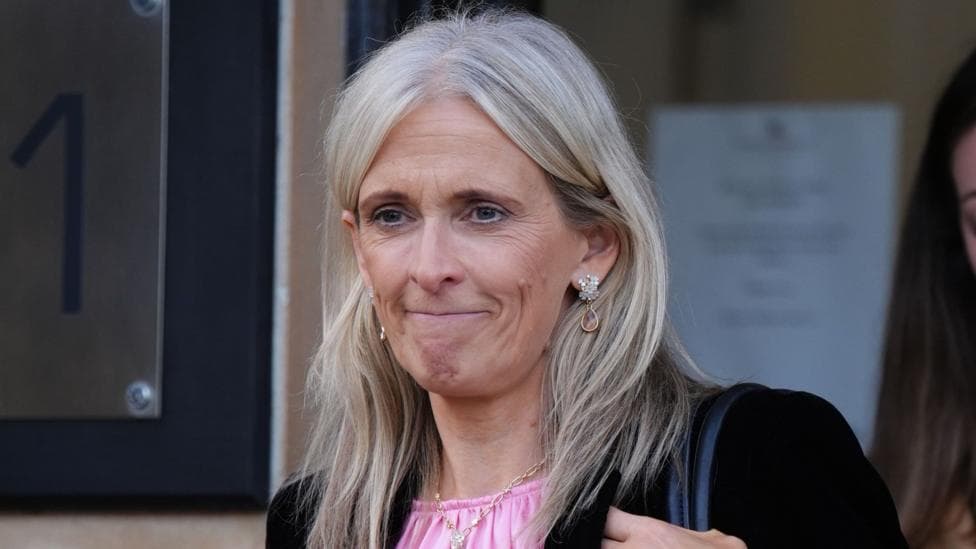
Inquiry chair retired senior judge Deborah Taylor KC expressed concern about the timing of certain disclosures. She said it was "disappointing" that evidence had emerged during the break which "ought to have been identified" and disclosed earlier. Taylor directed all core participants to submit any corrections to errors or omissions by no later than 31 December.
What happens next?
The closing submissions scheduled for 8 and 9 September 2026 will represent the final oral arguments presented to the inquiry chair. Following these submissions, Taylor will prepare her report and recommendations. According to reporting on the inquiry's timeline, the chair has until May 2027 to publish the final report containing her findings and any recommendations for systemic change.
Key Facts:
- Barnaby Webber's death was assessed as "potentially preventable" with faster blood product administration, though survival remained unlikely at under 50% probability
- Grace O'Malley-Kumar and Ian Coates' deaths were deemed "not preventable" by the medical review panel
- The inquiry heard evidence from over 100 witnesses across three months, uncovering multiple failures in Calocane's care and police handling
- Valdo Calocane is serving an indefinite hospital order after pleading guilty to three counts of manslaughter and three counts of attempted murder
- The inquiry chair must publish her final report and recommendations by May 2027