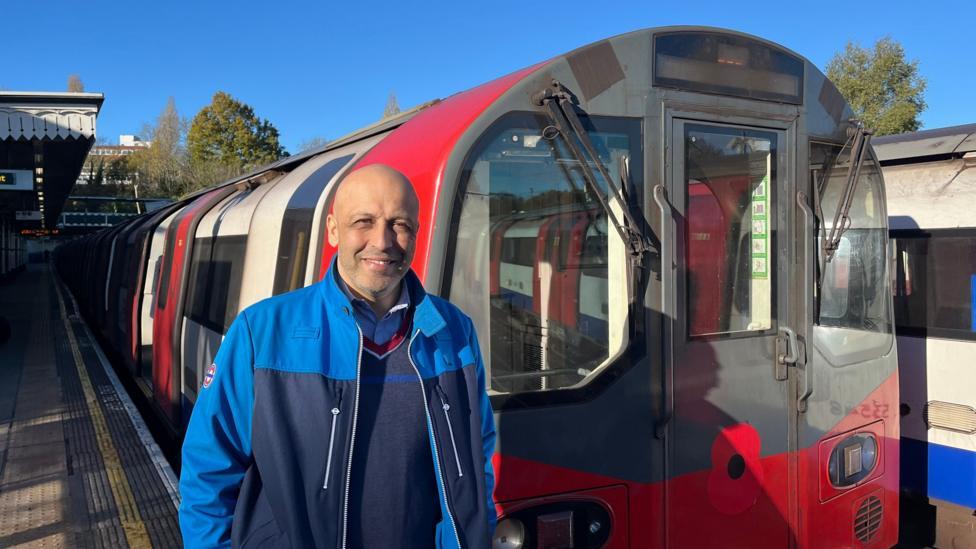
Osman Hassan has achieved his long-held ambition of driving trains on London's Underground, a career path that was previously closed to him because of his colour vision deficiency (CVD). The Northern line has now become the second line on the network to be fully upgraded in a way that permits drivers with CVD to operate trains safely, according to BBC News. Hassan is one of two drivers with CVD now working on the Northern line, joining a growing number of employees whose career prospects have been transformed by infrastructure changes.
Hassan has worked for Transport for London for eight years in various roles, including customer service, before realising his goal of becoming a train driver. His condition, commonly known as colour blindness, prevented him from driving on most of the Underground network because the system historically relied on red and green lights for signalling—a safety barrier that has now been removed on the Northern line through technological upgrades.
What is colour vision deficiency and how common is it?
Colour vision deficiency affects approximately three million people across the UK. The condition is significantly more prevalent in men, with around one in 12 males affected compared to one in 200 women. While CVD is not automatically classified as a disability, it can represent a substantial impairment for some individuals, particularly when it restricts career opportunities or professional advancement.
How did the Northern line become accessible to drivers with CVD?
The Northern line's transformation required addressing multiple safety barriers that persisted even after the main signalling system was modernised. The line's red and green signals were largely replaced by a digital system as far back as 2014, but critical obstacles remained in place. Drivers departing from the main depot at Morden still relied on signals given by red and green flags, and the safety ladders stored in driver cabs were colour-coded in red and green. In the rare event of a train stalling, drivers may need to deploy these ladders to allow passengers to evacuate safely.
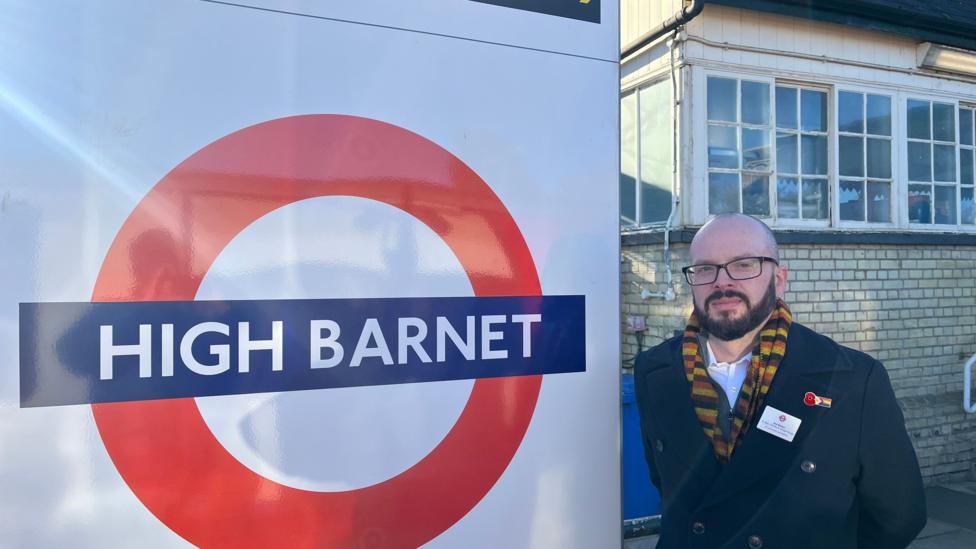
Joe Brown, a TfL strategy and change manager, oversaw the final upgrades needed to make the line fully accessible.
We've now replaced those red/green flags at Morden with a simple white light and have added a numerical code to the safety ladders.Brown emphasised the collaborative nature of the project, describing it as
a team effort, working with the line managers, drivers, the unions and our safety people.
What was the history of this change on other lines?
The Jubilee line pioneered this accessibility shift on the Underground network. In 2011, the Jubilee line replaced its red and green signals with an automated system featuring a cable running down the centre of the tracks that carries a digital signal directly into the driver's cab. A monitor then displays when it is safe to proceed. This technological change created the opportunity to reassess safety protocols for drivers with CVD. The decision to accommodate such drivers on the Jubilee line followed a risk assessment process that took approximately one year to complete and ultimately demonstrated that the changes could be implemented safely.
According to Journal Arta, the Jubilee line now employs 19 drivers with colour vision deficiency, establishing a successful track record for the approach. Hassan previously worked as a driver on the Jubilee line before moving to the Northern line, where he is one of two CVD drivers currently operating.
What other lines have been upgraded?
Beyond the Jubilee and Northern lines, two additional lines—the Hammersmith and City line and the Circle line—have been fully upgraded to allow for the possibility of employing drivers with CVD. This expansion demonstrates TfL's commitment to making the network progressively more inclusive for employees with the condition.
What does this change mean for employees with CVD?
For Hassan, the upgrades represent a significant professional opportunity.
I love my job. I love the responsibility of getting people in London safely from A to B and the interaction I have with the public.He added that
it's brilliant that TfL has been able to make these changes and I hope it prompts other companies to look at what they might be able to do to help employees with CVD.The changes signal a broader shift in how transport operators approach accessibility and inclusive employment practices.
The upgrades also reflect evolving assessment standards for colour vision in safety-critical roles. TfL introduced the Colour Assessment and Diagnosis test for Underground train drivers in September 2011, which assesses colour vision more precisely than the traditional Ishihara plate test, allowing for more nuanced evaluation of individual capability.
What happens next?
TfL has stated that its long-term objective is to implement these changes across every line on the Underground network, though no specific schedule or target date has been announced. The success of the upgrades on the Jubilee, Northern, Hammersmith and City, and Circle lines provides a foundation for rolling out similar modifications to the remaining lines in the network.
These infrastructure changes align with broader efforts to improve accessibility across London's transport system. Earlier this year, the UK government confirmed that disabled bus pass holders in England will receive free travel at all hours from 1 April 2027, ending weekday time restrictions for around one million people—a development that complements TfL's work to create more inclusive employment and travel opportunities.