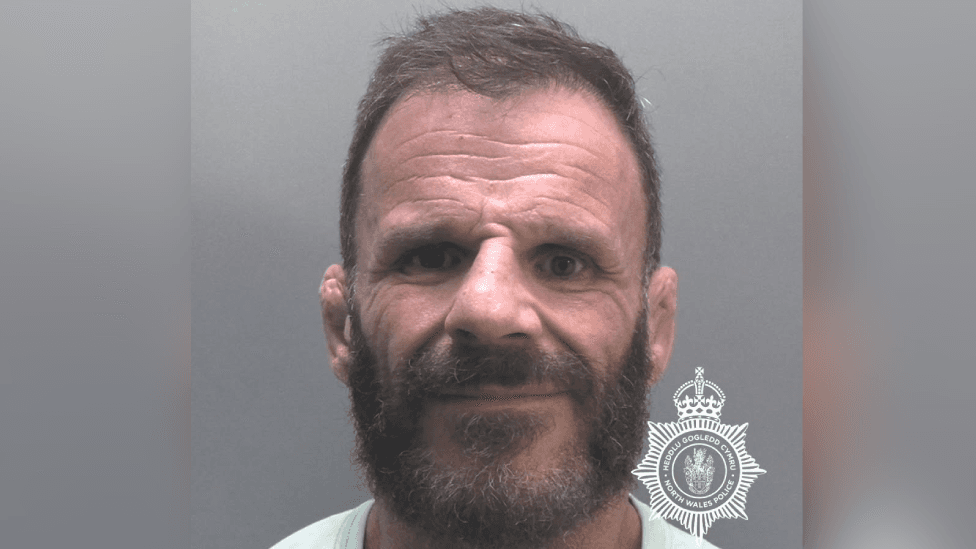
John Gizzi, 55, from St Asaph in Denbighshire, has been sentenced to four years and 11 months after admitting to coercive and controlling behaviour towards his partner Natasha Farah, 32, and the intentional strangulation of her sister. According to BBC News, the judge described the case as one of the worst examples of coercive control the court had encountered. The discovery of Farah's abuse came after she made a suspected suicide attempt that resulted in severe brain damage.
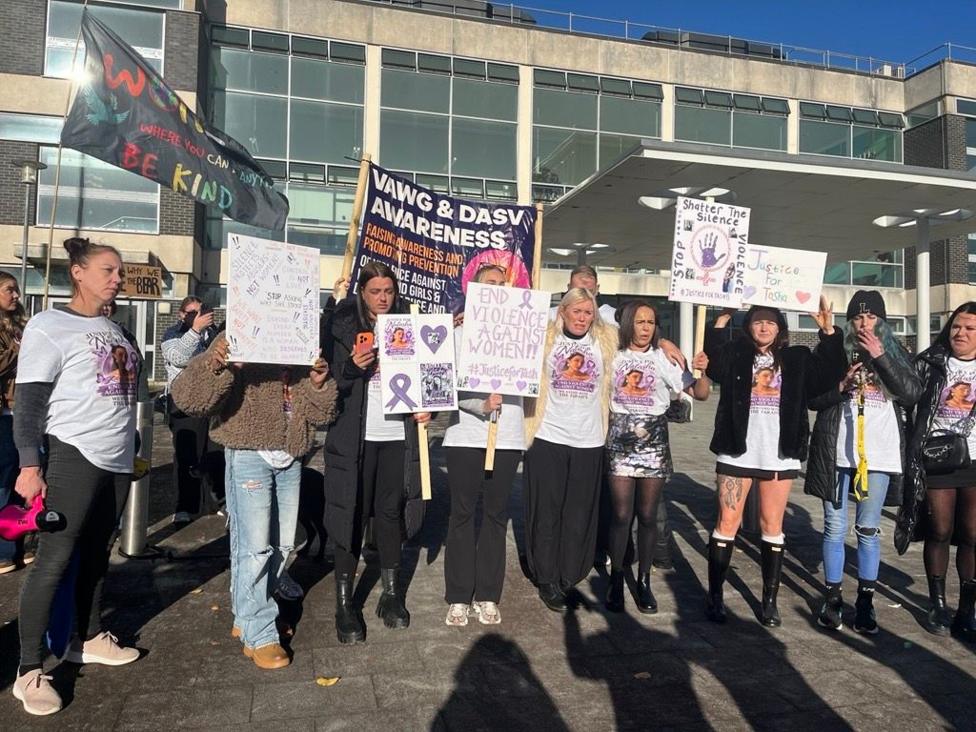
At Mold Crown Court, members of the public gallery shouted condemnations towards Gizzi, who appeared via video link from prison. Farah's mother, wearing a T-shirt bearing the words "Justice for Natasha", read an extensive victim impact statement and later indicated she would campaign for longer sentences in cases involving coercive and controlling behaviour. Some observers in court expressed their view that the sentence was insufficient, prompting a court usher to request silence.
Judge Simon Mills delivered sentencing remarks characterising Farah and her family as having endured an "appalling tragedy". He stated that Gizzi had subjected Farah to "appalling" behaviour and employed "dreadful misogynistic language" towards her as part of a deliberate process of humiliation and the destruction of her self-worth. The judge noted that Farah bore visible bruises on multiple occasions and had been assaulted with a dumbbell by Gizzi.
What pattern of abuse did Gizzi inflict?
The abuse spanned from 1 March 2025 to 8 April 2026, according to the Daily Post. The court heard that Gizzi repeatedly accused Farah of infidelity, assaulted her frequently—sometimes in the presence of other people and her child—and targeted her on significant dates including Valentine's Day and Mother's Day. During these assaults, Farah would plead with him to stop, but he continued regardless.
One documented incident occurred at a gym the pair attended, where Gizzi threw keys at Farah and struck her in the face when she arrived to retrieve them. Another man intervened to protect her. Farah reported a second physical assault at the same location to a friend. Gizzi repeatedly followed her, attacked her while she was in her car, and sent countless messages containing abusive language.
Beyond physical violence, Gizzi exercised financial control over Farah. According to the Rhyl Journal, the court heard that Gizzi controlled her access to expensive cars and other items, withdrawing them until she complied with his demands. Messages discovered on his phone revealed a stream of abuse, with Farah telling him he had made her feel "worthless" and had "broken" and "crushed" her. When Farah referenced being kicked by him, Gizzi responded with the message: "I couldn't reach your face".
How did the abuse come to light?
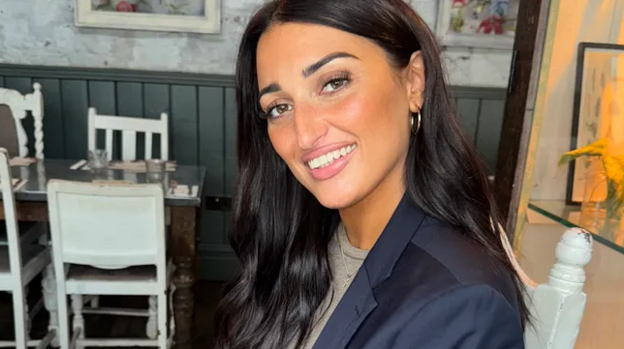
The extent of Gizzi's abuse was uncovered following Farah's suspected suicide attempt on 7 April at her flat in Rhos on Sea. Gizzi himself contacted emergency services after discovering her in an unresponsive state with serious brain damage. Prosecutor Elen Owen told the court that while it was not the Crown's case that Gizzi was directly responsible for the suicide attempt, the discovery of Farah triggered an investigation that revealed the full catalogue of physical and verbal abuse he had perpetrated against her.
In September 2025, Farah was found following another apparent suicide attempt. A recording of the emergency services call captured Gizzi physically and verbally abusing Farah's mother, Denise. Police were informed, but Denise subsequently withdrew her complaint. Some of Gizzi's abusive behaviour was recorded on public CCTV cameras. Following one such incident in January 2025, Gizzi was arrested, and police attempted to secure a domestic protection order. However, Farah chose not to cooperate, and magistrates declined to issue the order. The judge noted that Farah had possessed a note that appeared to instruct her what to say to the magistrates.
What happened to Farah's sister?
Farah's sister, Samantha, witnessed repeated abuse directed at Natasha and became a victim herself. When Samantha challenged Gizzi's behaviour, he responded violently, gripping her neck with his hands until she fell to the floor, leaving visible marks on her neck. This assault occurred at a pub in Colwyn Bay. Gizzi pleaded guilty to the intentional strangulation of Samantha, one of three charges to which he admitted guilt at a hearing the previous month.
What additional charges did Gizzi face?
Beyond the coercive control and strangulation charges, Gizzi also pleaded guilty to refusing to provide police with the PIN code to access his mobile phone. According to the Liverpool Echo, he received a concurrent four-month sentence for this offence. Gizzi was described in court as a former drug gang boss. Messages on his phone provided crucial evidence of his pattern of abuse and control.
What did the judge say about Farah's current condition?
Judge Mills acknowledged the events of 7 April that had left Farah in an unresponsive state with serious brain damage but stated there was no offence in the indictment making Gizzi directly responsible for her condition. However, according to the Daily Mail, the judge said he had "no doubt" that if "circumstances were to change or further evidence came to light", the matter would be investigated by North Wales Police, though he emphasised this was not a matter for the current sentencing hearing.
The judge told Gizzi that he was "never going to be forgiven for what people believe you did to her" and that this would "follow" him throughout his life. He added, to applause from the public gallery, that people who had previously been afraid of Gizzi "were no longer".
What protections have been put in place?
The court imposed a 15-year restraining order and a 15-year Domestic Abuse Protection Order against Gizzi. These measures are designed to prevent any further contact or harassment of Farah and her family members following his release from prison.
What comes next?
Outside the courthouse, Farah's mother Denise gathered with friends and family to express their frustration with the sentence length. She announced her intention to continue campaigning in her daughter's name for longer sentences in cases of coercive and controlling behaviour. Denise characterised violence against women and girls as an "epidemic", highlighting the broader context of domestic abuse in society.