

Hampshire and Isle of Wight Fire and Rescue Service has begun reducing the number of crews stationed at the New Forest wildfire, nine days after the blaze first broke out. The fire, which has scorched an area of around 1.6 sq km (0.6 sq miles), is no longer spreading, allowing firefighters to shift focus towards damping down hotspots and preparing to hand the closed A31 back to repair crews.
The fire began on Sunday 9 August after a van caught alight on the A31 near Ringwood, with flames spreading rapidly into the surrounding heathland. Our earlier coverage of the initial vehicle fire reported that crews from Hampshire, Dorset and Wiltshire had drawn water from Hightown Lake as smoke drifted across the Solent. By the fourth day, as detailed in our report on the wildfire raging into its fourth day, the burnt area had already reached roughly 1 sq km amid record dry conditions, with officials warning the operation could stretch on for several more days.
How has the firefighting operation scaled down?
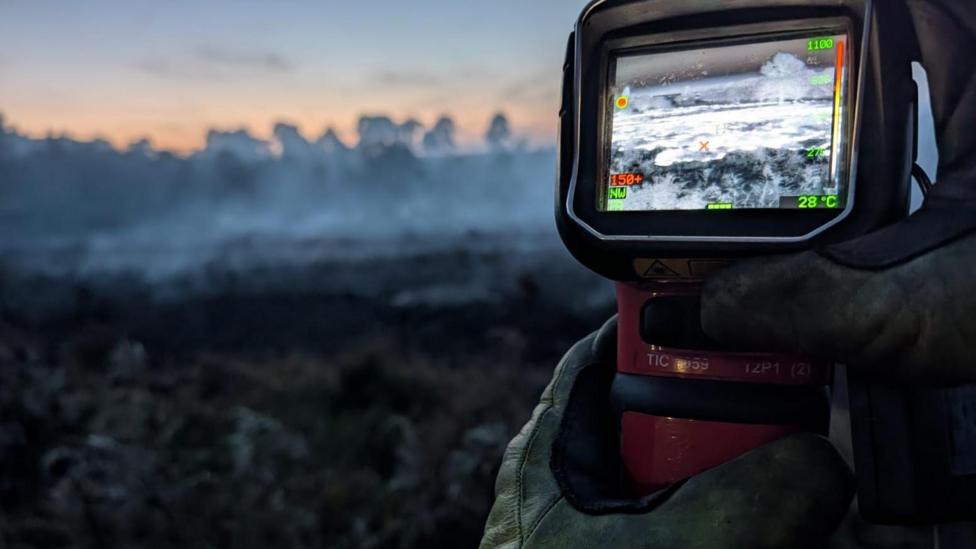
Fire crews are now concentrating on keeping the fire's perimeter damp and extinguishing any remaining hotspots rather than actively fighting spreading flames. Hampshire and Isle of Wight Fire and Rescue Service said this shift means it can begin reducing the number of personnel and appliances deployed at the scene, even though monitoring work is expected to continue for several more days. On Saturday, the service confirmed the fire had been "fully surrounded" and asked the public to stay away from the area while crews continued their work.
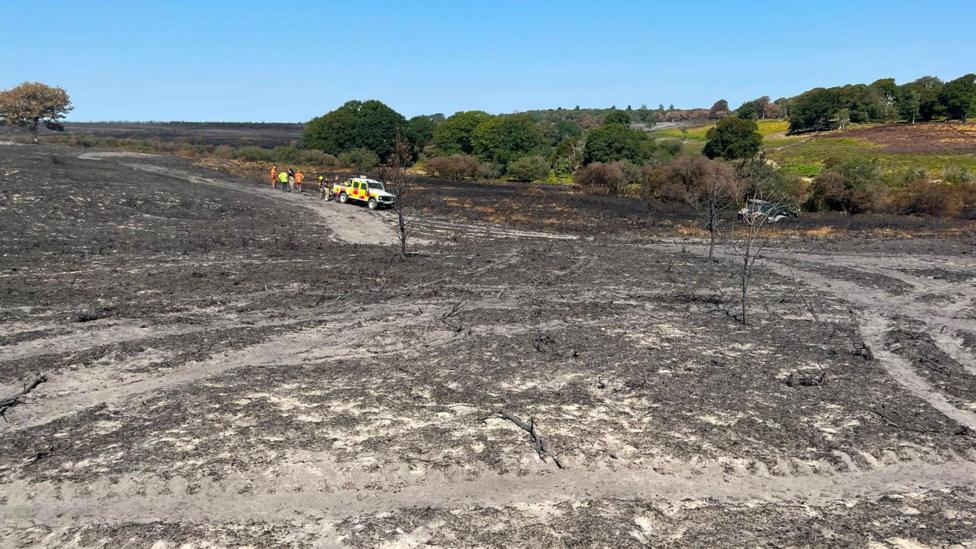
Crews travelled from as far afield as West Yorkshire to support Hampshire firefighters in containing the blaze, which the fire service said had been made more difficult by the site's remote location and limited access to water supplies.
What is happening with the A31 closure?
The A31 remains shut westbound between junction 2 of the M27 at Ower and the A338 at Ringwood, and eastbound between the A338 and junction 1 of the M27 at Cadnam. The closure is expected to stay in place until at least Thursday 20 August, a timeline consistent with what was reported in our earlier piece on the wildfire being brought under control after a week-long battle. Drivers have been urged to follow the official diversion routes rather than relying on satellite navigation systems.

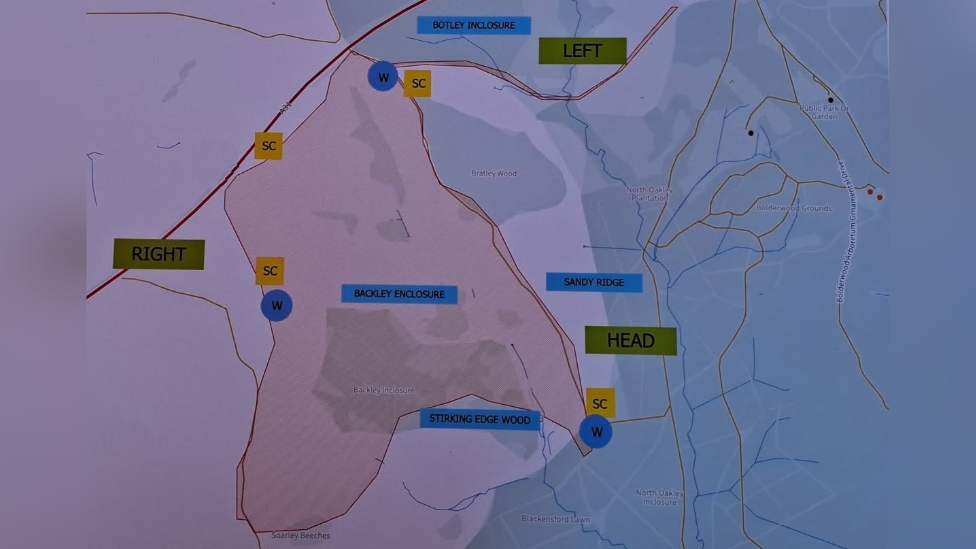
National Highways has said the road cannot reopen until fire damage has been repaired and safety works completed, according to a national broadcaster's report. The agency has stated that at least 1,000 metres of boundary fencing, a resurfaced carriageway and several hundred metres of vehicle restraint barrier will need to be repaired or replaced, according to National Highways. Forestry England has also kept car parks, roads and walking and cycling routes around Bratley View and Bolderwood closed to the public.
How big was the response and the damage?
At the peak of the operation, 169 fire engines from 93 fire stations were deployed to tackle the blaze, according to a national broadcaster's report. Crews have collectively spent almost 10,000 hours battling the fire, per AOL, while the total area burnt has been estimated at 165 acres — roughly equivalent to 200 football pitches — according to National Highways.
The blaze tore through protected New Forest heathland that provides habitat for rare species, a concern raised in coverage of the fire's early spread. This is not the only significant heathland fire the region has faced this summer; a separate blaze on the Isle of Wight was tackled with the help of a helicopter water-drop, as reported in our story on the Headon Warren gorse fire response.
Why was a mobile phone alert issued?
On Friday evening, the UK's emergency mobile alert system was activated to warn the public against lighting anything capable of sparking a wildfire, including barbecues and garden incinerators. Prime Minister Andy Burnham urged people to heed the warning, saying it had been issued at the request of firefighters.
Phil Carrigan, chair of the National Fire Chiefs Council, said recent changes in the weather had helped bring down the number of wildfires burning across England, though operations were still under way in south Wales, Cambridgeshire and the West Midlands. Speaking to BBC Breakfast, he cautioned that the risk had not necessarily passed.
I'm not sure it's behind us. There's already conversations about particularly hot days in September, so if we move into a sixth heatwave we need to be prepared.
What happens next?
The A31 is expected to remain closed until at least Thursday 20 August while National Highways completes fencing, barrier and resurfacing repairs, according to National Highways. Fire crews will continue monitoring the site and dampening hotspots in the coming days to prevent any reignition before handing the area fully back over to repair teams.
- The fire began on Sunday 9 August after a van caught fire on the A31 near Ringwood.
- It has burnt an estimated 165 acres (about 1.6 sq km) of New Forest heathland.
- At its peak, 169 fire engines from 93 fire stations were involved in the response.
- Crews have logged almost 10,000 hours fighting the blaze.
- The A31 is expected to stay closed until at least Thursday 20 August for repairs.


