An MP has criticised proposals that could see up to 149 additional asylum seekers housed in Aberdeen, arguing the move would push the city beyond its agreed accommodation limit.
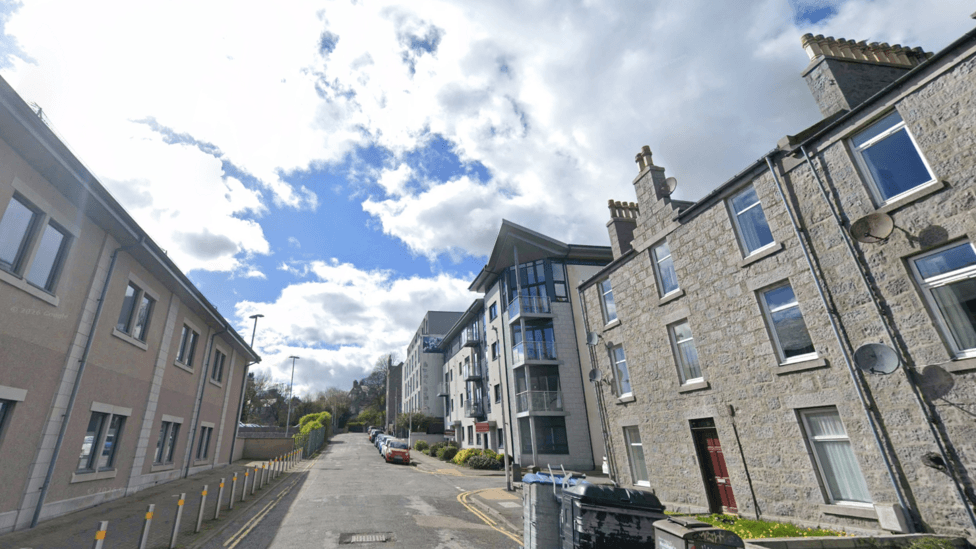
The Home Office has informed Aberdeen City Council of its intention to place them in a facility on St Peter Street, near the city centre. According to local reporting, the proposed location is believed to be one of several student accommodation blocks on St Peter Street, situated near Pittodrie Stadium.
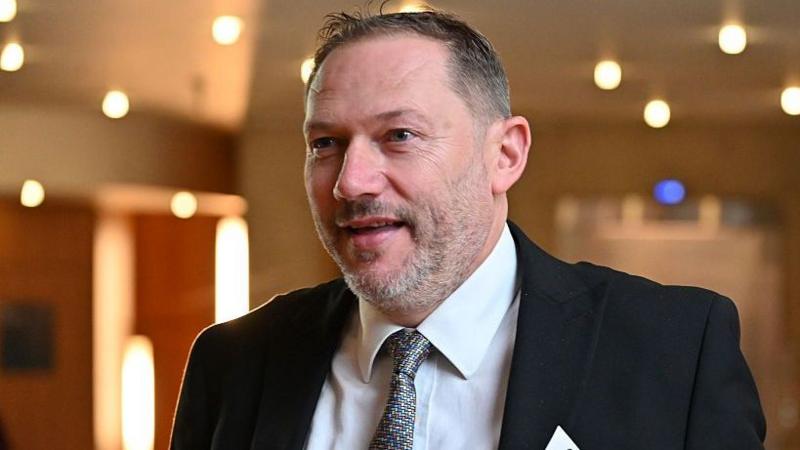
Aberdeen South Conservative MP Douglas Lumsden said the proposal would take the city—which currently houses 707 people—above its agreed maximum capacity of 785, potentially exceeding the limit by 71 individuals if the plan proceeds. He has called for an urgent review of the decision.
The Home Office stated it was working to "fairly house asylum seekers across the country" and engaging with councils to "reduce the impact on authorities". A spokesperson added:
"The government is closing every asylum hotel, saving taxpayers over £1bn on asylum support since the election. We are working to fairly house asylum seekers across the country, engaging with local authorities to reduce the impact on communities."
This proposal comes as part of a broader government strategy to move away from hotel accommodation. According to recent reporting, the Home Office has approved the St Peter Street site for consideration, though it remains unclear whether existing asylum seekers in Aberdeen would be relocated to the new facility or whether the placements would be brought in from elsewhere.

What impact would this have on local services?
Lumsden expressed concern that the expansion would strain Aberdeen's public services.
"I talk to many constituents who already feel it's difficult to get things like a GP appointment and having an extra 150 asylum seekers in the system is just going to make that harder,"he said.
"Obviously these asylum seekers need to be housed somewhere, but it looks like Aberdeen is going above its share of that. The Home Office should be looking at trying to do it more fairly and looking at trying to disperse people in other areas right across the United Kingdom."
The concern reflects broader tensions around asylum accommodation distribution. Earlier this year, Glasgow's next council leader called for government support with refugee housing costs, with projections suggesting expenses could reach £74 million by 2027-28. The government has continued to press ahead with alternative accommodation plans despite local opposition, with Home Office ministers backing plans to house asylum seekers on former military bases.
What is Aberdeen's current position?
Aberdeen City Council said the matter was one for the Home Office to determine. The council's stance reflects a longstanding tension over asylum accommodation in the city. Last year, Aberdeen City Council called for a meeting with the Home Secretary following a series of protests outside hotels housing asylum seekers. The issue has been a recurring concern for local representatives; during a 2025 Scottish Parliament debate, Lumsden highlighted that more than 95% of asylum seekers in Scotland were resident in Aberdeen at that time.
What happens next?
The Home Office has not yet announced a start date for the St Peter Street accommodation plan, meaning no confirmed next decision or public hearing has been scheduled. The proposal remains under consideration as discussions between the Home Office and the council continue.
Key Facts:
- Aberdeen currently houses 707 asylum seekers against an agreed maximum capacity of 785
- The proposed St Peter Street facility could house up to 149 additional asylum seekers, potentially exceeding the city's limit by 71 people
- The Home Office says it has saved taxpayers over £1 billion on asylum support since closing hotels across the UK
- It remains unclear whether existing residents would be moved to the new site or whether new placements would be brought in from elsewhere
- No start date has been announced for the accommodation plan