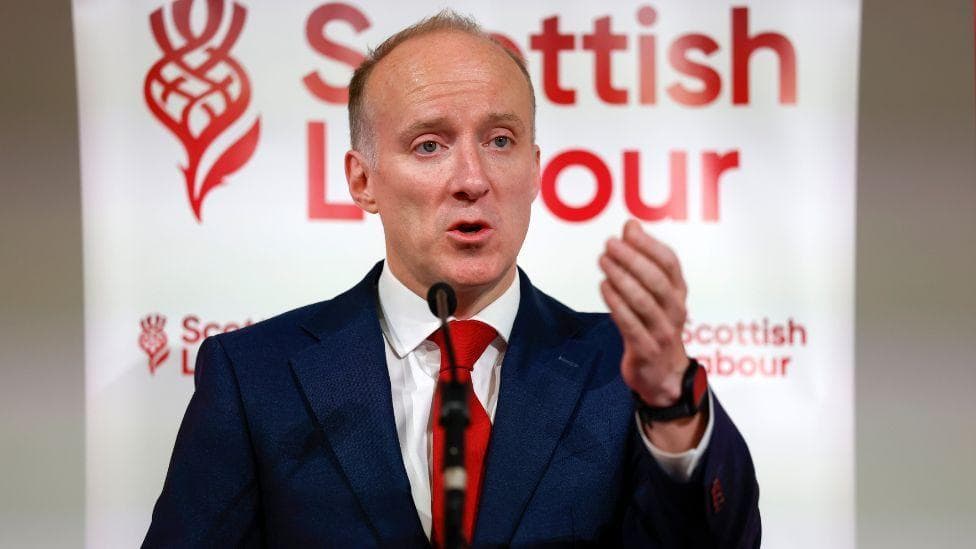
Michael Marra, newly elected leader of Scottish Labour, has endorsed the principle that Scotland should be able to determine its own constitutional future, even as his party continues to oppose independence and a second referendum.
Marra was elected Scottish Labour leader on 19 September with 4,266 votes to Joe Fagan's 2,485, succeeding Anas Sarwar. The party has indicated it is willing to support a non-binding motion at Holyrood affirming Scotland's right to decide its constitutional future, though Marra has challenged the Scottish National Party to demonstrate that independence represents the
"settled will"of the country before any second referendum takes place.
The Scottish government, led by First Minister John Swinney, has tabled a motion urging parliament to agree that
"Scotland is a nation that has a right to decide its own future". The motion is expected to pass with support from the Scottish Greens, whose votes combined with the SNP's give independence-supporting parties a majority at Holyrood.
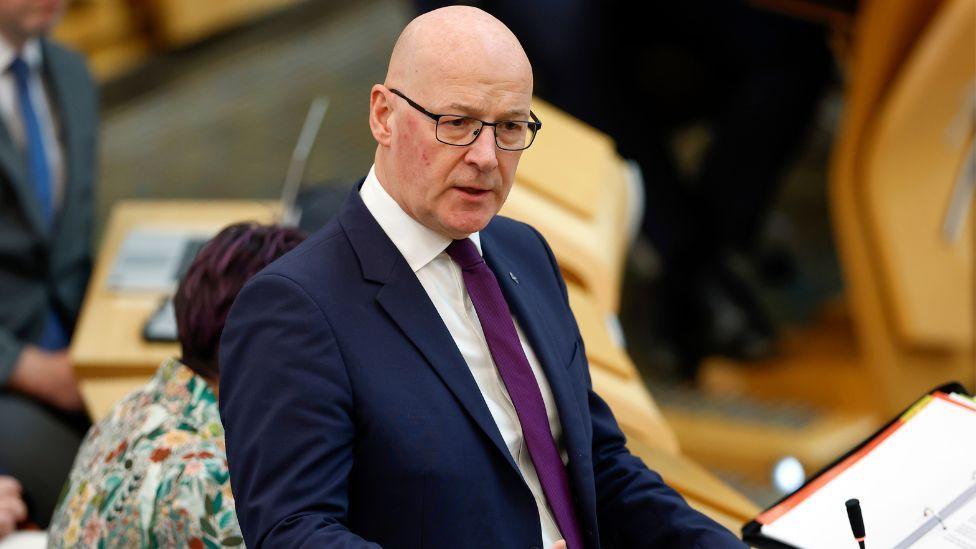
After his election at the weekend, Marra articulated his position on Scotland's constitutional options by referencing previous democratic exercises. He stated:
"Yes I believe the people of Scotland have the right to decide their future, and they did so in 2014 and in 1997. They gave an unequivocal answer on both of those occasions."He went on to say that the
"challenge"for the SNP is to establish that independence is the
"settled will"of Scots and to address public questions about the process.
This represents a notable shift in tone from Marra's predecessor. While Sarwar previously acknowledged Scotland's right to decide its future, he consistently voted against parliamentary motions asserting that right and criticised the SNP's
"obsession"with independence. Marra's willingness to support the motion suggests a different approach, though Labour remains fundamentally opposed to both independence and holding another referendum.

In one of his first major policy interventions since taking office, Marra backed development of the Rosebank and Jackdaw North Sea oil and gas fields, calling for a "more rational" approach to energy policy. He has also written to John Swinney and other Holyrood party leaders calling for a special commission on child poverty, an issue that will feature prominently in Labour's parliamentary strategy.
What is Labour's amendment about?
Scottish Labour has tabled an amendment to Swinney's motion that, while not disputing the statement about Scotland's right to decide its future, adds language emphasising the need to step up efforts to tackle child poverty. The government would not be expected to oppose such sentiments, though its support for the amendment could depend on the tone of the debate and whether SNP politicians reciprocate by backing Labour's child poverty priorities.
Will Labour's support be conditional?
There is no doubt that Swinney's motion on Scotland having the right to choose its own constitutional future will be approved, given the SNP and Greens' combined majority at Holyrood. The more intriguing question concerns what Scottish Labour will do under Marra's new leadership. The party remains opposed to independence and another referendum, yet Marra has publicly stated his belief in the principle that Scotland has the right to decide, making it difficult for his MSPs to vote against the motion without appearing inconsistent.
What remains unclear is whether Labour's support for the Scottish government's position on a referendum is conditional on the SNP voting with them on child poverty. The amendment provides Labour with a mechanism to demonstrate its commitment to immediate domestic challenges while still endorsing the broader principle of Scotland's right to decide.
What is the historical context?
The Scottish Parliament has backed several non-binding motions in support of a referendum in recent years. Swinney has set his sights on holding a second independence referendum by 2031, following a summit where nationalist leaders from Scotland, Wales and Northern Ireland signed a joint declaration. However, successive UK governments have refused to countenance a referendum. The Supreme Court ruled in 2022 that the Scottish Parliament cannot hold an independence referendum without Westminster's consent. Prime Minister Andy Burnham has stated he has no plans to grant another poll on the issue after rowing back from earlier comments suggesting one could be held when the people of Scotland desire it.
What happens next?
The Holyrood debate on Swinney's motion backing Scotland's right to decide its own future was scheduled for Tuesday, 23 September 2026, with parliament expected to vote on the motion after the debate concludes. The debate was set to run from 15:00 to 17:30.
Key Facts
- Michael Marra was elected Scottish Labour leader on 19 September 2026, replacing Anas Sarwar who joined the UK government
- Labour opposes independence and a second referendum but is willing to support a non-binding motion affirming Scotland's right to decide its constitutional future
- The SNP and Scottish Greens hold a majority at Holyrood and their combined votes will ensure Swinney's motion passes
- Labour has tabled an amendment emphasising the need to tackle child poverty alongside constitutional questions
- The Supreme Court ruled in 2022 that any independence referendum requires Westminster's consent, which the UK government has refused to grant