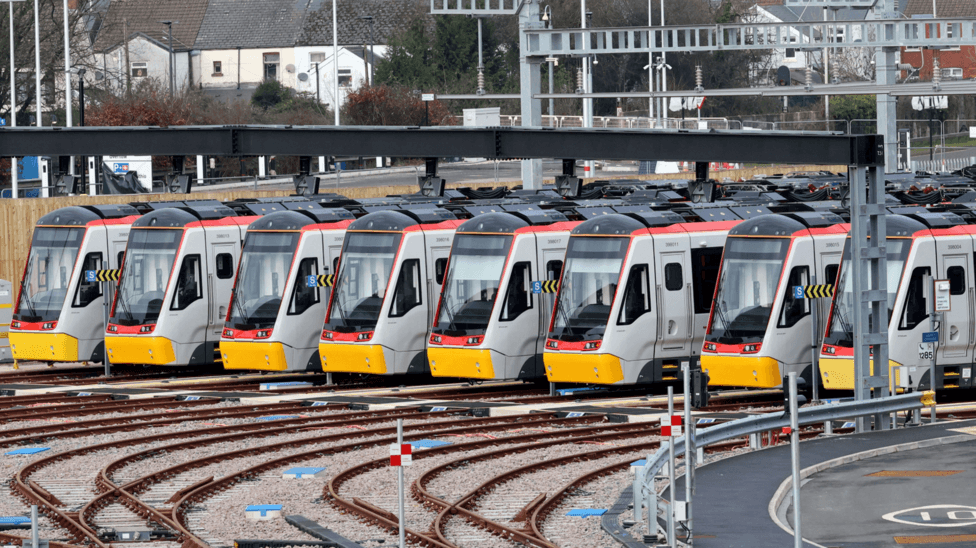
A fleet of publicly funded trains costing more than £200m has sat mostly unused for over three years since the first unit arrived, with BBC News revealing that Transport for Wales (TfW) now expects full service to begin by the end of 2027—five years later than originally promised. The delay affects Wales' largest infrastructure project since devolution in 1999, the £2bn South Wales Metro scheme designed to transform a Victorian railway into a rapid transit network similar to London Underground.
Data obtained by the BBC shows that fewer than half of the 36-strong fleet of Class 398 Citylink multiple units have passed the rigorous statutory testing required by the rail regulator. TfW chief executive James Price has stated the operator will not deploy the trains until they achieve "100% well, 100% of the time" reliability, though he acknowledged the extended timeline is "frustrating but not unexpected."
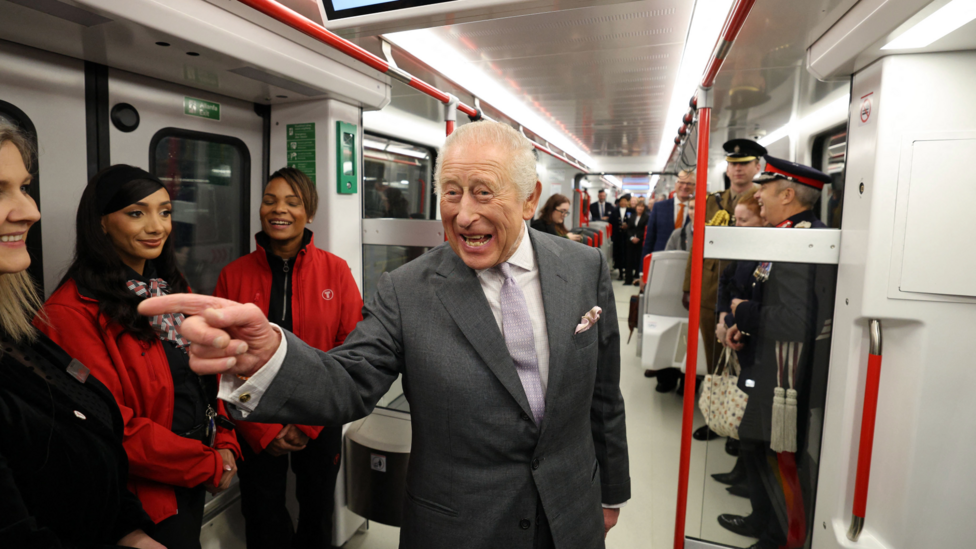
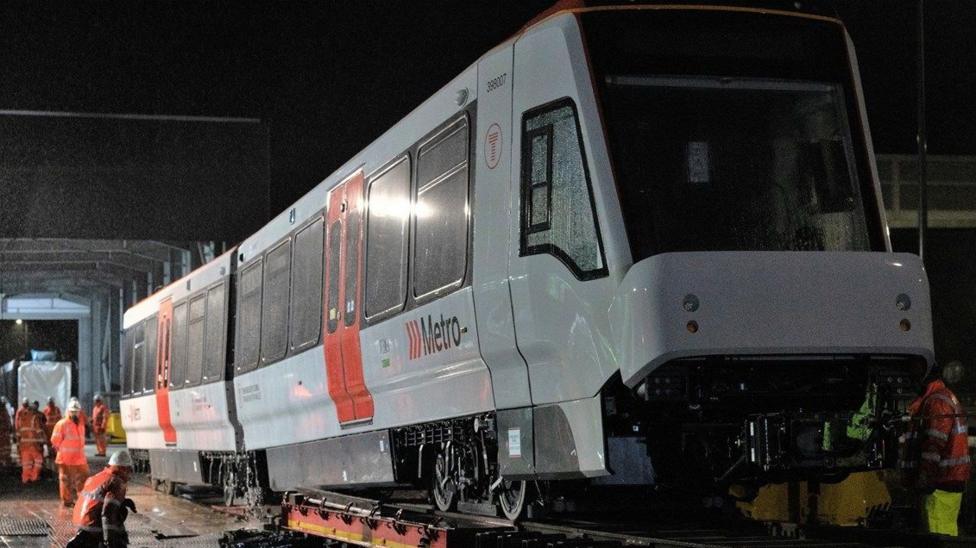
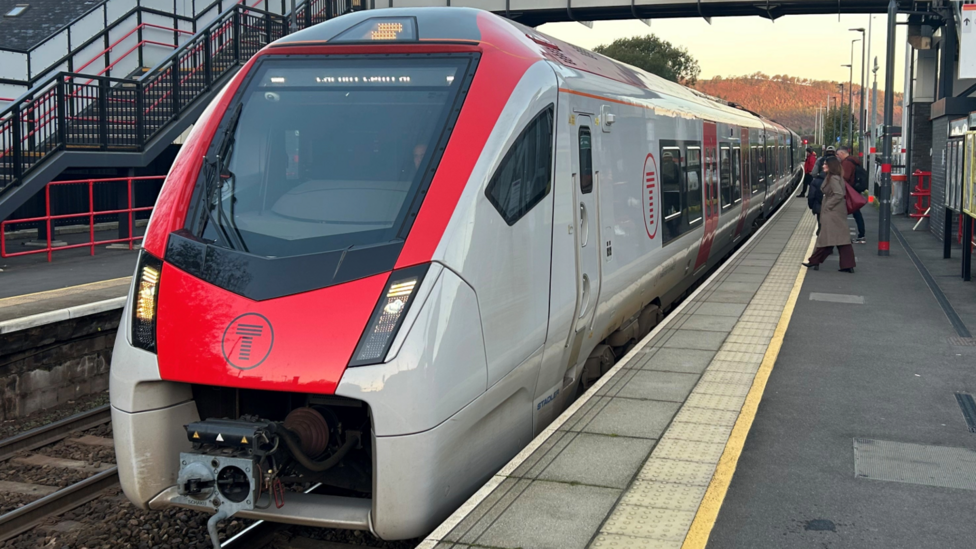
The tram-trains were ordered from Swiss manufacturer Stadler in 2018, with the first arriving in Wales on 21 March 2023 after testing at Network Rail's Rail Innovation and Development Centre in Leicestershire. King Charles and former Prime Minister Keir Starmer have both travelled on the vehicles, yet barely any members of the public have experienced them.
Why has deployment taken so long?
Software complications represent the primary obstacle to full rollout. The entire fleet is controlled by a single software package designed to automate as many train functions as possible, and problems have emerged during testing that require resolution before passenger service can expand. TfW temporarily removed six tram-trains from passenger testing on several occasions due to what the operator described as "teething issues" and "early reliability challenges."
Sixteen of the 36 tram-trains have passed testing to ensure the three-carriage units are safe to run on the UK rail network, with 20 still awaiting completion of the scrutiny required by rail regulators. Testing timescales vary considerably, with some vehicles taking anywhere between six weeks and two years to complete the process.
Price explained that the delay partly stems from the arrival of the Class 756 trains, which TfW introduced onto the old valley line in 2024 after years of complaints about ageing rolling stock.
"They got delivered earlier and the reliability was better,"Price said.
"That meant that we weren't able to test the trams against the original date. The key thing for me was getting new trains into service and maximising value for money."
Line electrification infrastructure was only completed in March 2026, following delays caused by Covid and supply chain disruptions from the Ukraine war. The full electrification of the Core Valley Lines was achieved after a six-year programme that began in 2020, according to TfW's own announcement.
What technical challenges do the tram-trains face?
The Class 398 units represent an unusually ambitious design, combining features of trams and trains with onboard battery systems and discontinuous electrification. This complexity means the vehicles must function across urban streets and traditional rail networks, with infrastructure communicating instructions to the trains through a series of beacons. Rail engineer and broadcaster Gareth Dennis cautioned that the ambitious specification may be causing difficulties.
"It's a pretty ambitious project,"Dennis said.
"The challenge of having such complicated trains trying to do everything to reduce the cost of the infrastructure requires a lot of stuff to be working on the train. All of that has to be tested to make sure it always works."
Dennis expressed concern that the tram-trains are
"being delivered as part of cutting some corners"by not completing full overhead wire electrification across the entire network.
"It is the case that this is the first deployment that has pulled all this stuff together - being a tram, a train, having a battery and discontinuous electrification,"he added.
"But that isn't necessarily a very good idea and that's why it's not common."
By avoiding complete overhead electrification and using onboard batteries for non-electrified sections, TfW claims to have saved approximately £400m and years of construction time. However, this approach has introduced technical complexity that now requires extensive validation before deployment.
What progress has been made in testing?
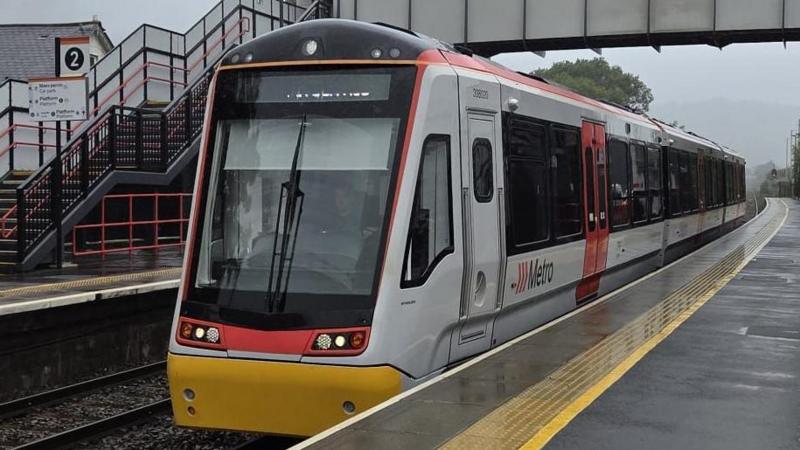
Six tram-trains are currently undergoing passenger testing across the valleys network, though they have been temporarily withdrawn on occasions for software refinements. On 23 June 2026, the first Class 398s entered passenger service between Pontypridd and Cardiff Bay, but TfW later withdrew them while Stadler addressed software problems, with a Class 150 shuttle replacing them on the Queen Street–Cardiff Bay section.
Stadler has stated it is
"working closely"with TfW to address
"minor issues"in what the manufacturer describes as
"one of the UK's most advanced battery tram-trains."The company noted that
"testing and validation activities have progressed in phases, resulting in the identification and implementation of normal refinements, including software updates, as part of the fleet introduction process."
Price met with Stadler's chief executive recently in Germany to discuss accelerating the tram-train rollout. He defended the cautious approach to deployment, noting that TfW has achieved 95% on-time reliability on the valleys network and intends to maintain that standard before introducing the new vehicles in large numbers.
How many staff have been trained?
Crew training represents another significant constraint on deployment timescales. As of 11 August 2026, only 42 drivers had been trained to operate the tram-trains, with 291 still requiring instruction, according to Nation.Cymru reporting. Price indicated that signalling work at Queen Street station in Cardiff must also be completed before services can expand to four trains per hour.
TfW described their approach to introducing the tram-trains as a "customer testing" strategy rather than a high-profile launch, partly because they feared the vehicles
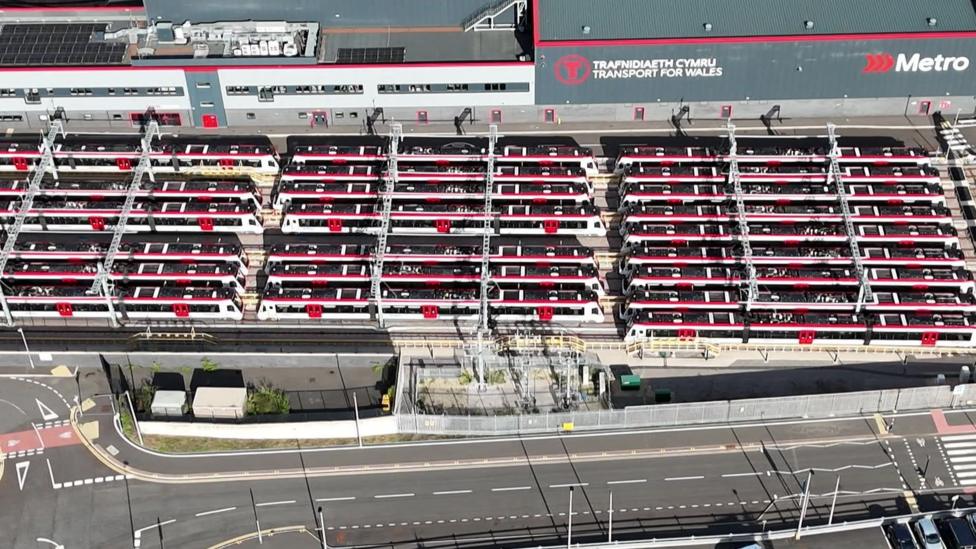
"might come out of service."This cautious rollout has meant that the £100m depot near Cardiff, which stores much of the fleet, has housed vehicles that have been idle for extended periods.
What was the original timeline?
The tram-trains were initially promised to be fully operational by 2022, but that target was missed by several years. Passengers were subsequently told that services would double from two to four trains per hour between Cardiff and Aberdare, Merthyr Tydfil and Treherbert by the end of 2022—another deadline that passed without the promised expansion.
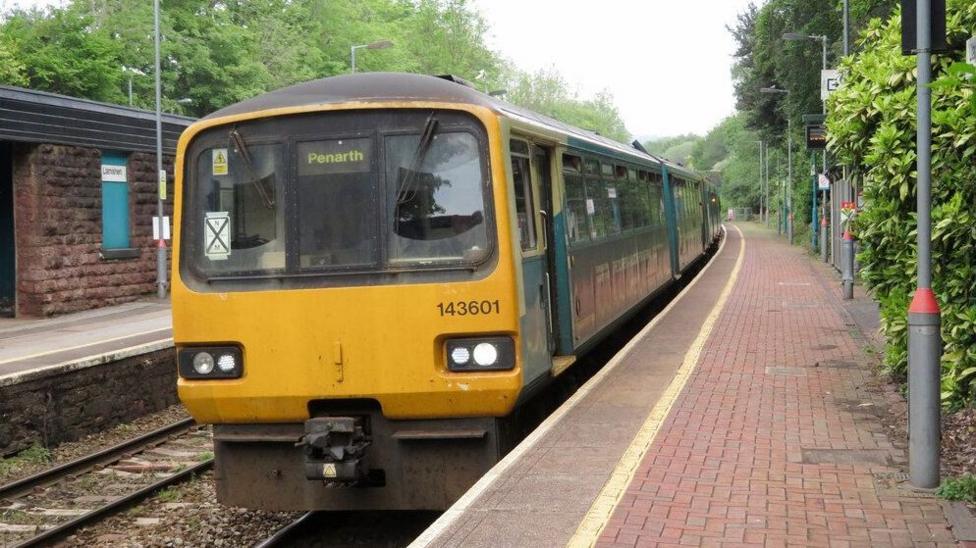
Before the new South Wales Metro rolling stock arrived, ageing Pacer trains operated by Arriva Trains Wales served passengers in south Wales, prompting years of complaints about reliability and comfort. The introduction of the Class 756 units in 2024 provided temporary relief, though these vehicles were always intended as a stop-gap measure pending deployment of the purpose-built tram-trains.
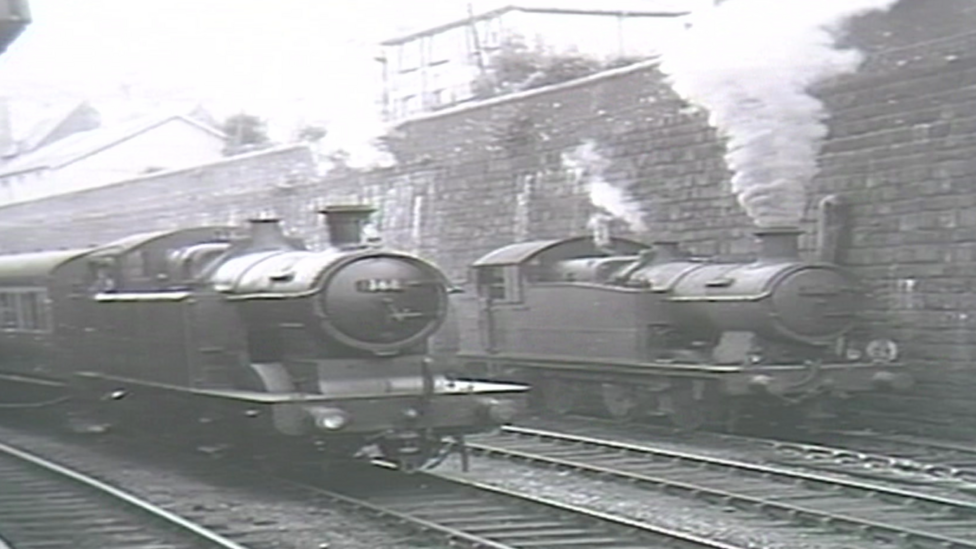
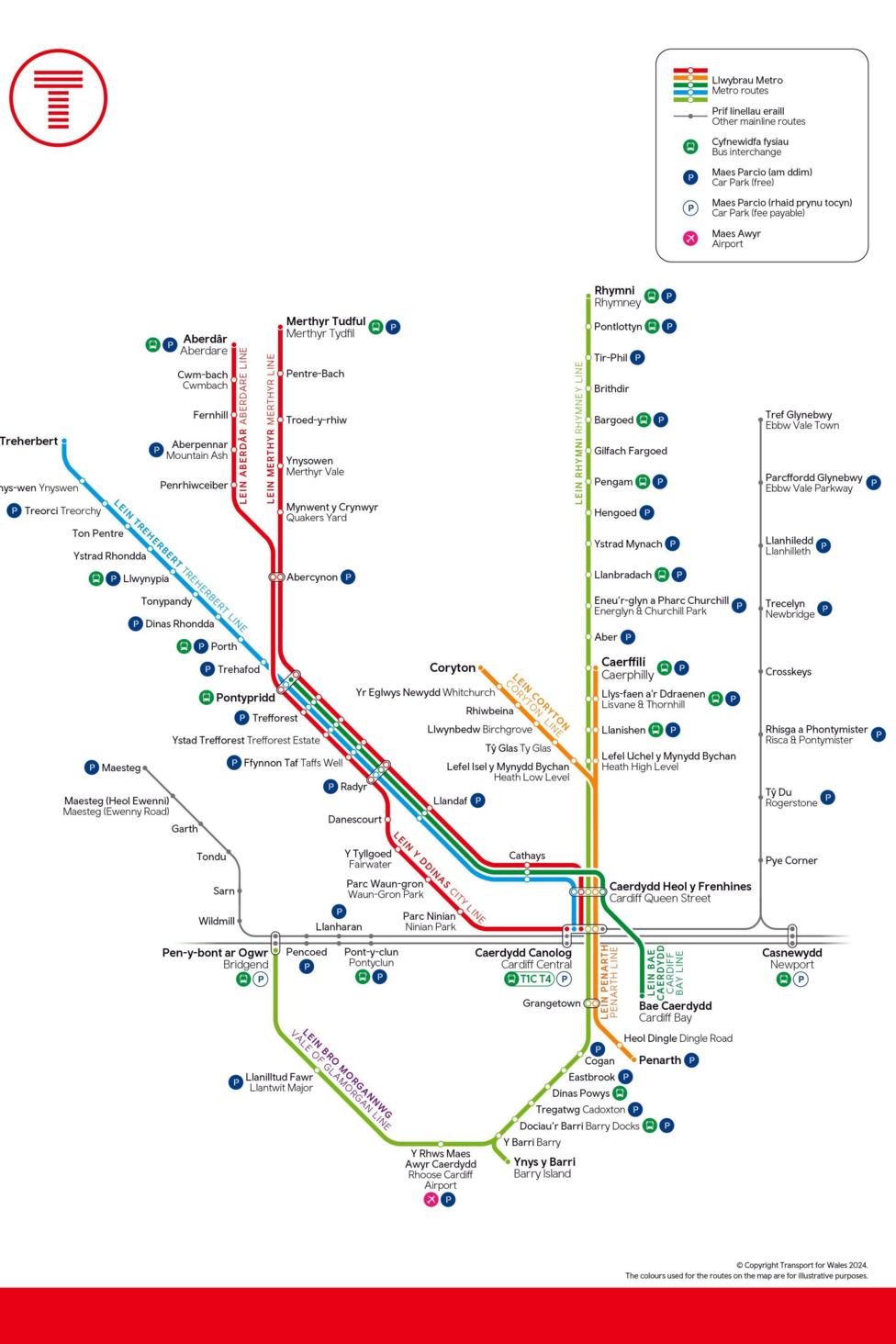
The South Wales Metro project operates on the historic Taff Vale Railway network, which once transported coal from the south Wales coalfields to Cardiff Docks for shipment around the world. The 105-mile network, sometimes known as the "Welsh Tube" or "Tiwb Cymru," features level boarding, tap-in-tap-out ticketing and multi-coloured lines designed to resemble London Underground.
What benefits will the tram-trains deliver?
TfW claims the tram-trains will reduce journey times from the top of the south Wales valleys to Cardiff to 50 minutes, though the operator has acknowledged that the Class 756 trains currently operating on the network can already deliver similar journey time improvements. Once the tram-trains are in full service on the South Wales Metro, the Class 756 units will relocate to their intended home on the Bridgend-Rhymney line.
The South Wales Metro represents the "final piece" of TfW's broader transformation of the valleys network. When fully operational, the scheme will provide turn-up-and-go rapid transit services comparable to established networks in larger UK cities, with the tram-trains capable of running both on urban streets and traditional rail infrastructure.
What do critics say?
Opposition politicians in Wales have questioned why the majority of the tram-trains remain stored in the depot. Reform's shadow transport minister Jason O'Connell stated that
"taxpayers deserve to know what has gone wrong, how delays have turned into years and the costs are spiralling out of control."
Price countered that TfW has delivered improvements rapidly compared to other UK rail projects.
"If you think we didn't get hold of the lines until 2021 and by 2025 most of the work was substantially complete,"he said.
"And today we basically have 100% new trains - it's not as quick as we originally said but compared to any other project in the UK, it's very quick."
The Welsh government said TfW had already delivered
"transformative improvements on the valleys network"and that new trains would eventually
"unlock turn-up-and-go"services across the valleys and Cardiff. A government spokesperson added that
"whilst some issues have delayed the introduction of the new tram trains TfW remains on target to complete the full rollout by the end of next year."
What happens next?
TfW has stated that the Class 398s are due to operate all services on the Treherbert, Aberdare and Merthyr lines next year, with four trains per hour between Cardiff and the Valleys, according to TfW's official announcement. Price expressed confidence about the timeline, stating
"I do fully expect to see four trains an hour by the end of next year definitely."
The introduction of the tram-trains will mark the completion of the South Wales Metro jigsaw, delivering the high-frequency, modern rolling stock that the valleys network has lacked for decades. However, the extended delays and technical challenges have raised questions about the complexity of the project and whether the ambitious specification of the vehicles has contributed to the protracted timeline.