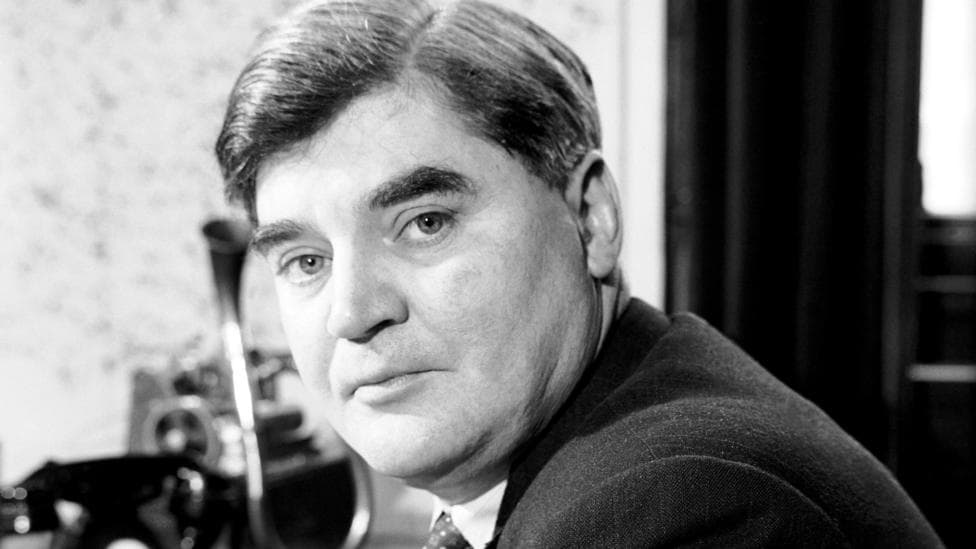
Aneurin "Nye" Bevan, the architect of the National Health Service, was subjected to sustained monitoring by MI5 spanning more than two decades, according to documents released to the National Archives. The security service first opened a file on the Welsh Labour politician in the 1930s when he was regarded as a radical left-winger with connections to prominent communist figures, and continued tracking his activities even after he rose to ministerial office in the post-war government. According to BBC News, the newly disclosed papers reveal that at one point an MI5 director general became sufficiently alarmed by Bevan's association with a Russian spy that he travelled to No 10 Downing Street to brief Prime Minister Clement Attlee on the matter.
The surveillance operation spanned from 1933, when Bevan was a backbench Labour MP representing Ebbw Vale, until well after his death in 1960. The National Archives released more than 100 MI5 files on 22 October 2026, covering individuals and events from the 1930s through to the 1970s. Notably, some officers within the security service itself questioned the rationale for maintaining such close interest in a politician whose activities were conducted entirely in the public domain. After Bevan's death, one MI5 officer characterised the contents of his file as "remarkably tame".
How did MI5 first become interested in Bevan?
MI5 initiated its file on Bevan when he was serving as a backbench Labour MP for Ebbw Vale in 1933. Early reports documented his involvement in anti-fascist activities, including an account of an anti-Nazi rally held in Montreal, Canada, which Bevan addressed in 1934. A contemporary assessment stated that "Bevan has inherited the evangelical fervour of his Welsh forebears and knows how to use it in the Communist cause." His association with the 1934 hunger marches during the Great Depression, when he received deputations of marchers at the House of Commons, further drew the attention of security officials.
In 1943, Roger Hollis, who would later become MI5's director general, compiled a summary of Bevan's known activities. Hollis noted that in 1933 Bevan had been "in close touch" with Harry Pollitt, general secretary of the Communist Party of Great Britain, and with party members who supported his proposal to establish "workers' freedom groups" to counter what they viewed as capitalist threats. However, the files contained no evidence that MI5 had tapped Bevan's telephone or intercepted his correspondence.
Why did some MI5 officers question the surveillance?
Even within the security service, doubts emerged about the appropriateness of monitoring Bevan. In 1943, one MI5 officer wrote: "I do not think that Bevan's activities are a matter in which we, the security service, should be involved. In fact he makes exactly the same remarks in the Houses of Parliament pretty frequently." This observation highlighted the tension between Bevan's public political advocacy and the security service's assessment of him as a potential threat.
What happened when Bevan became a government minister?
Surveillance intensified rather than diminished after Bevan entered government as health minister in Clement Attlee's post-war Labour administration. His role in driving the creation of the NHS, despite fierce opposition from the medical profession, did not shield him from continued monitoring. The security service's concerns shifted focus to his personal associations rather than his official duties.
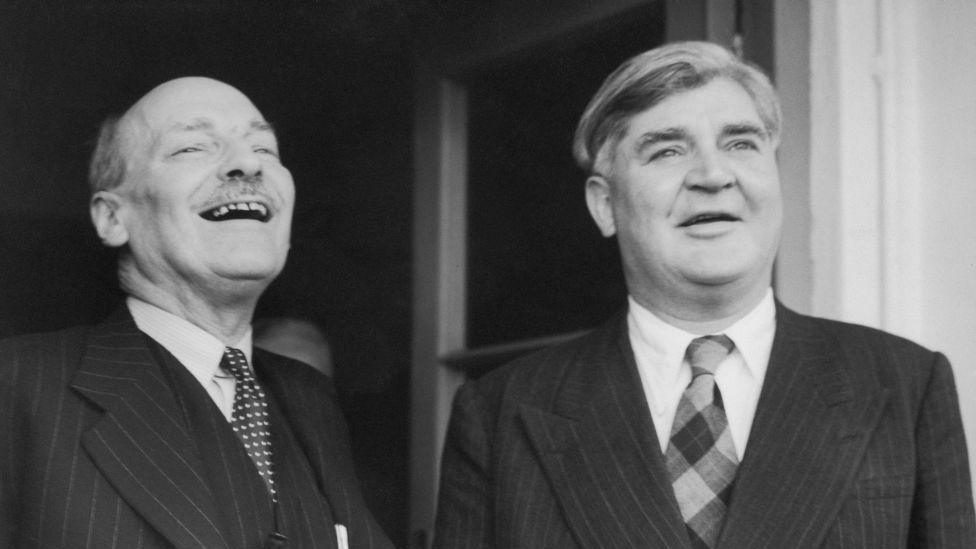
In 1949, MI5 became increasingly preoccupied with Bevan's friendship with Wilfred Macartney, whom officials described as "an unsavoury, unscrupulous character" who had been convicted of espionage for the Soviet Union in 1928. Intelligence recordings suggested that Macartney was transmitting information obtained through Bevan to Communist Party leader Harry Pollitt. In May 1949, MI5 chief Sir Percy Sillitoe presented evidence of this association to Prime Minister Attlee. Although Attlee dismissed Macartney's claims as a "tissue of lies," he agreed to warn Bevan about the connection.
What was the significance of Bevan's meeting with the Soviet ambassador?
One of the final entries in Bevan's MI5 file dates from 1954, when he had returned to the opposition benches. He was invited to meet Yakov Malik, the Soviet ambassador to Britain, at London's Polish embassy. The gathering ended badly, partly because Malik had difficulty understanding Bevan's Welsh accent, which led to significant misunderstandings. An MI5 report noted that "the party broke up in a none too friendly atmosphere."
Intelligence assessments from 1955 indicated that Communist Party members and Trotskyists had made attempts to recruit Bevan at various points, but these efforts had not succeeded. Despite the absence of evidence that Bevan had engaged in espionage or breached security, the file remained open long after his death.
When was Bevan's file finally closed?
The surveillance file on Bevan was not formally closed until 1975, a full 15 years after his death in 1960. This extended retention reflected the security service's cautious approach to closing cases involving individuals with historical communist associations, even when no active threat had been identified. The delayed closure meant that Bevan's file accumulated observations spanning more than four decades of his public life.
Key Facts
- MI5 opened a file on Bevan in 1933 when he was a backbench Labour MP, citing his connections to communist figures and radical left-wing activism
- The security service maintained surveillance throughout Bevan's tenure as health minister, during which he established the NHS against medical profession opposition
- An MI5 director general briefed Prime Minister Clement Attlee about Bevan's association with Wilfred Macartney, a convicted Soviet spy, in 1949
- The file remained open for 15 years after Bevan's death in 1960, finally being closed in 1975
- Officers within MI5 itself questioned the necessity of monitoring a politician whose activities were conducted openly in Parliament and the public sphere