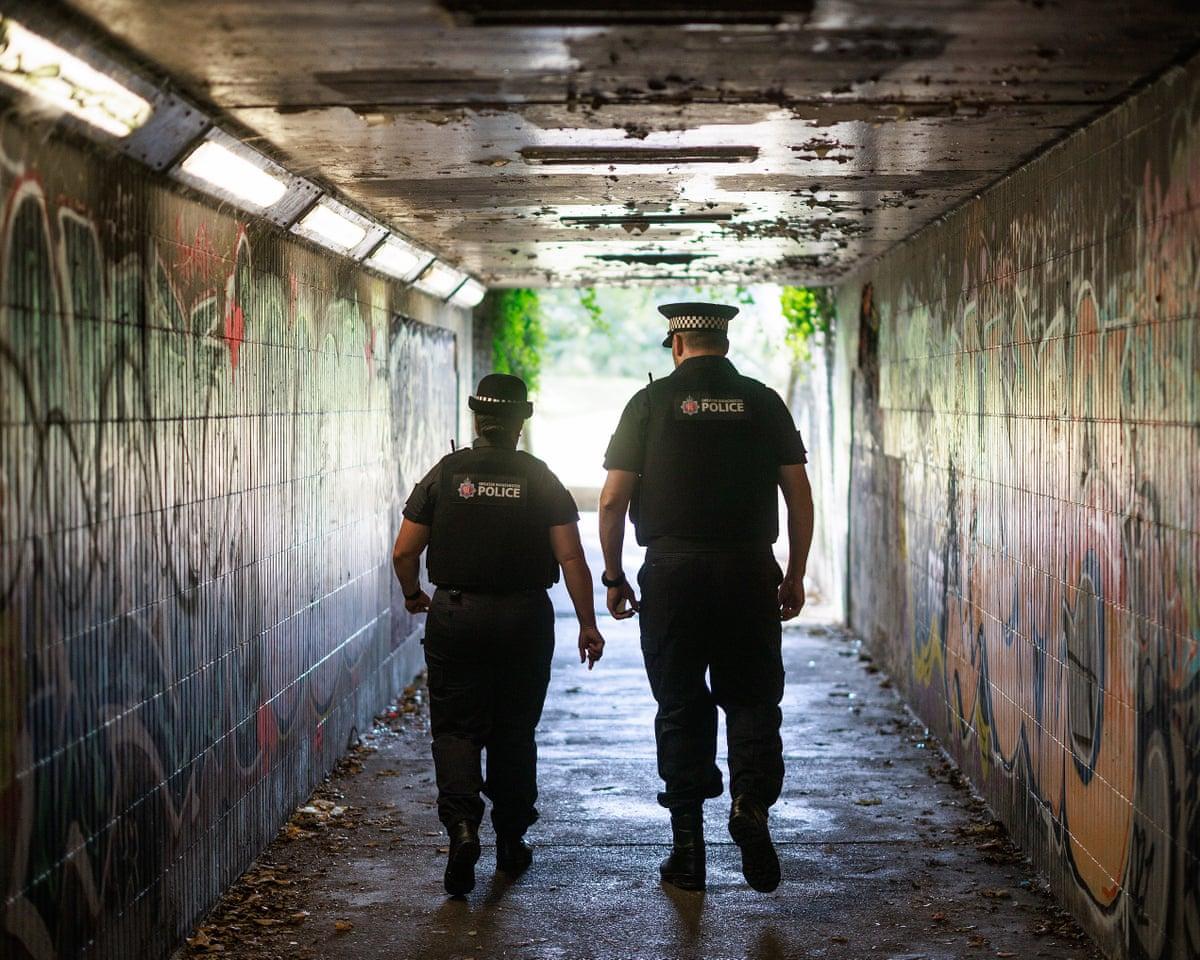
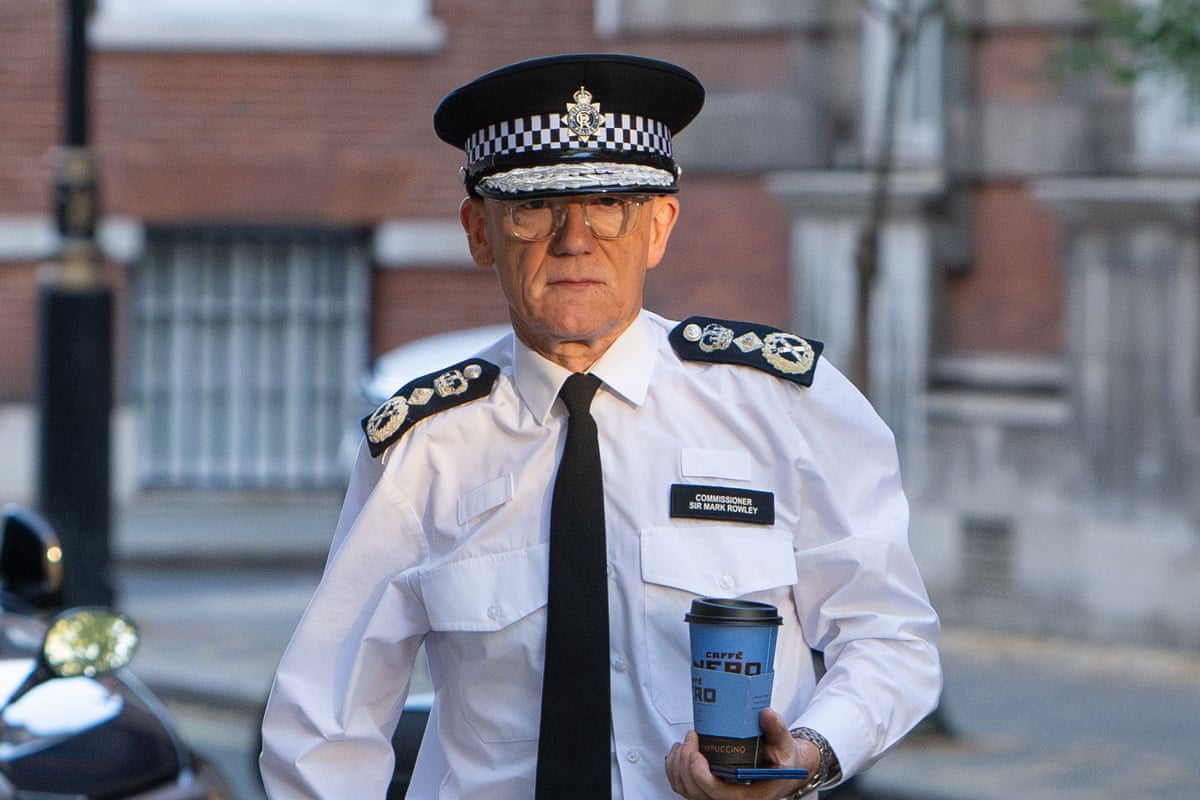
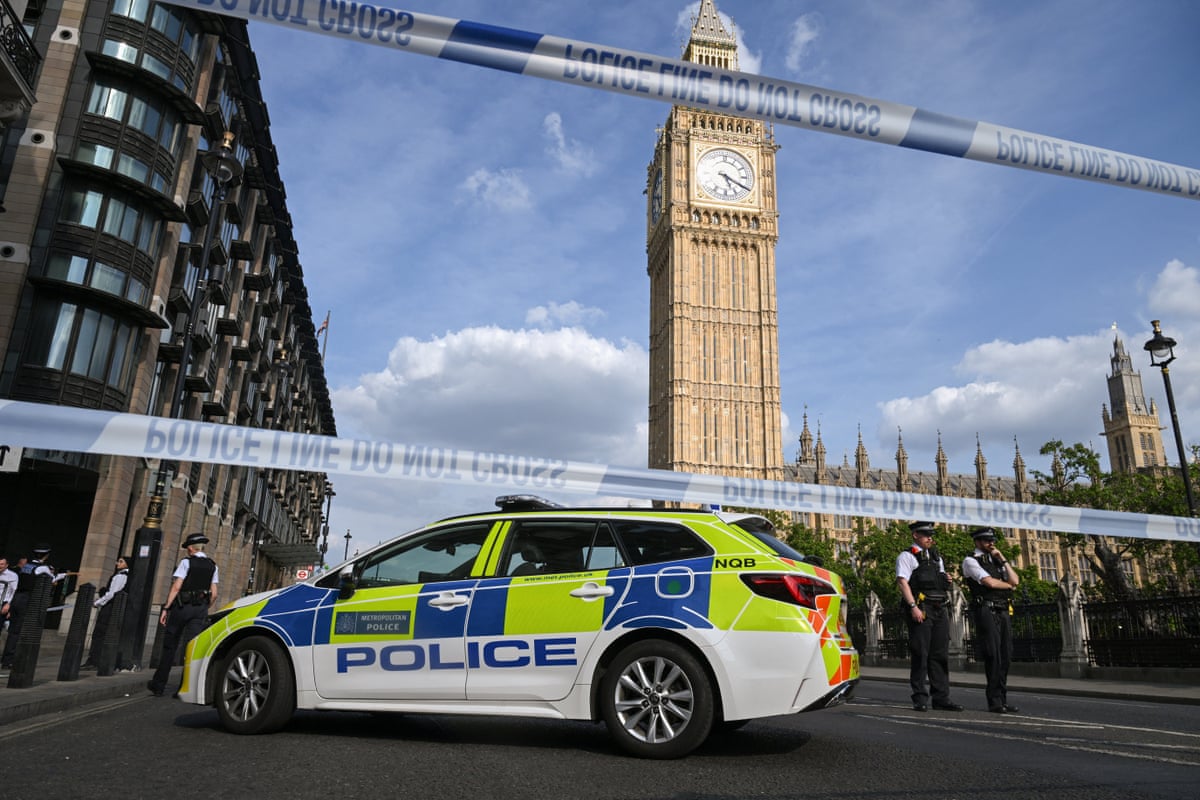
Regional leaders have condemned proposals to consolidate England and Wales's 43 police forces into eight to ten "super-forces", arguing the plan fundamentally contradicts the government's devolution agenda and would damage local accountability. According to The Guardian, the criticism emerged after Mark Rowley, the Metropolitan Police Commissioner and Britain's most senior police officer, called on Friday for the radical restructuring of policing across both nations.
The proposals have divided senior policing leadership. While Rowley and several chief constables support the merger plan, mayors and police and crime commissioners have expressed serious reservations, with some privately accusing police leadership of attempting to pressure the Prime Minister into the largest policing reorganisation in a generation.
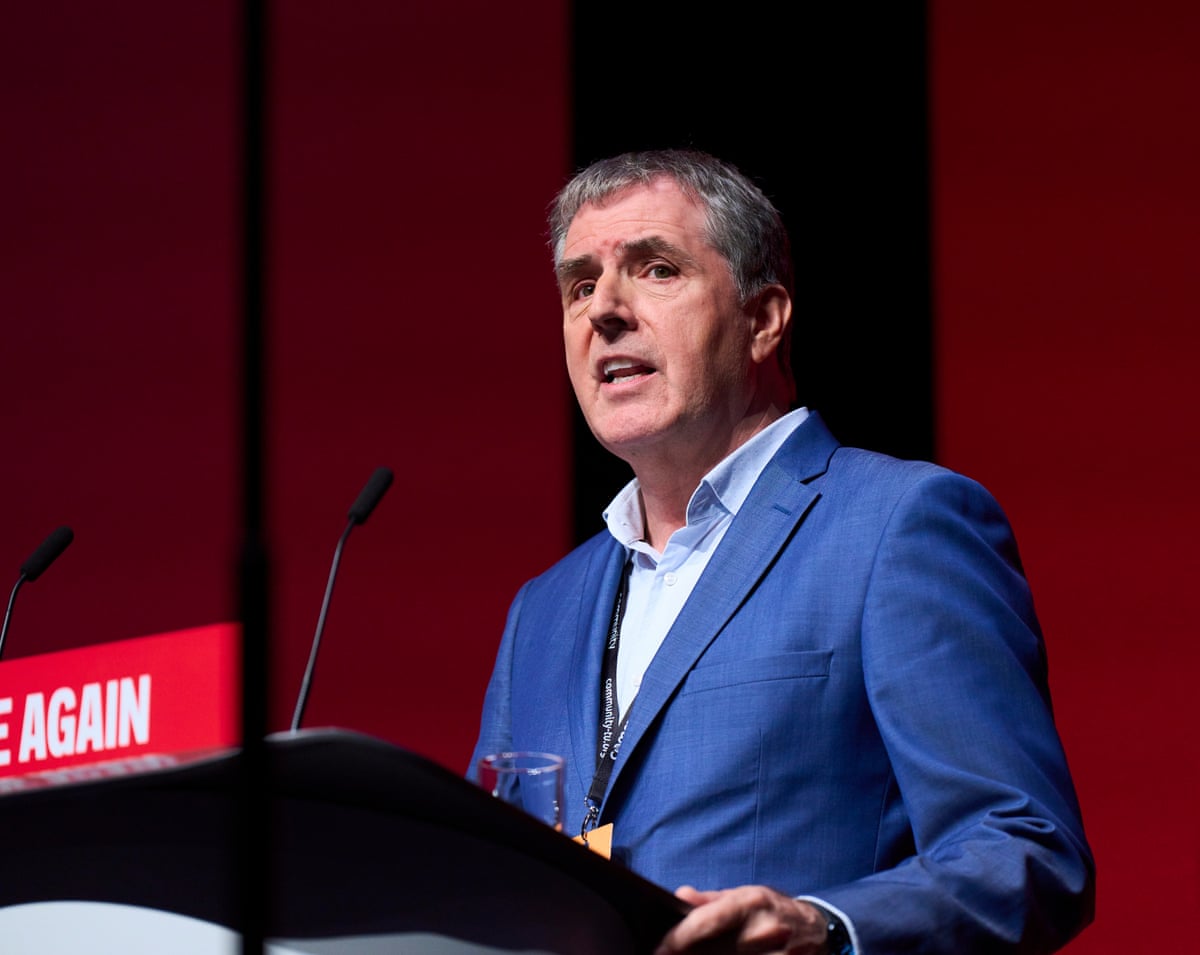
Steve Rotheram, mayor of the Liverpool city region and a close ally of the Prime Minister, characterised the proposals as
"the wolf of centralisation dressed up in sheep's clothing"that would undermine local oversight. He argued that
"The idea that we'd somehow get better policing by swallowing local forces up into a handful of enormous regional super-forces runs counter to the devolution agenda."
What is driving the push for police mergers?
Home Secretary Shabana Mahmood announced in January plans to significantly reduce the number of police forces and commissioned an independent review led by Bernard Hogan-Howe, the former Metropolitan Police Commissioner. The review, not yet published, is understood to propose a range of configurations, from nine to eighteen larger forces, compared to the current 43. The government's review is tasked with recommending force configurations and identifying potential pathfinder mergers during this Parliament, with the stated ambition to move to fewer forces by the end of the next Parliament.
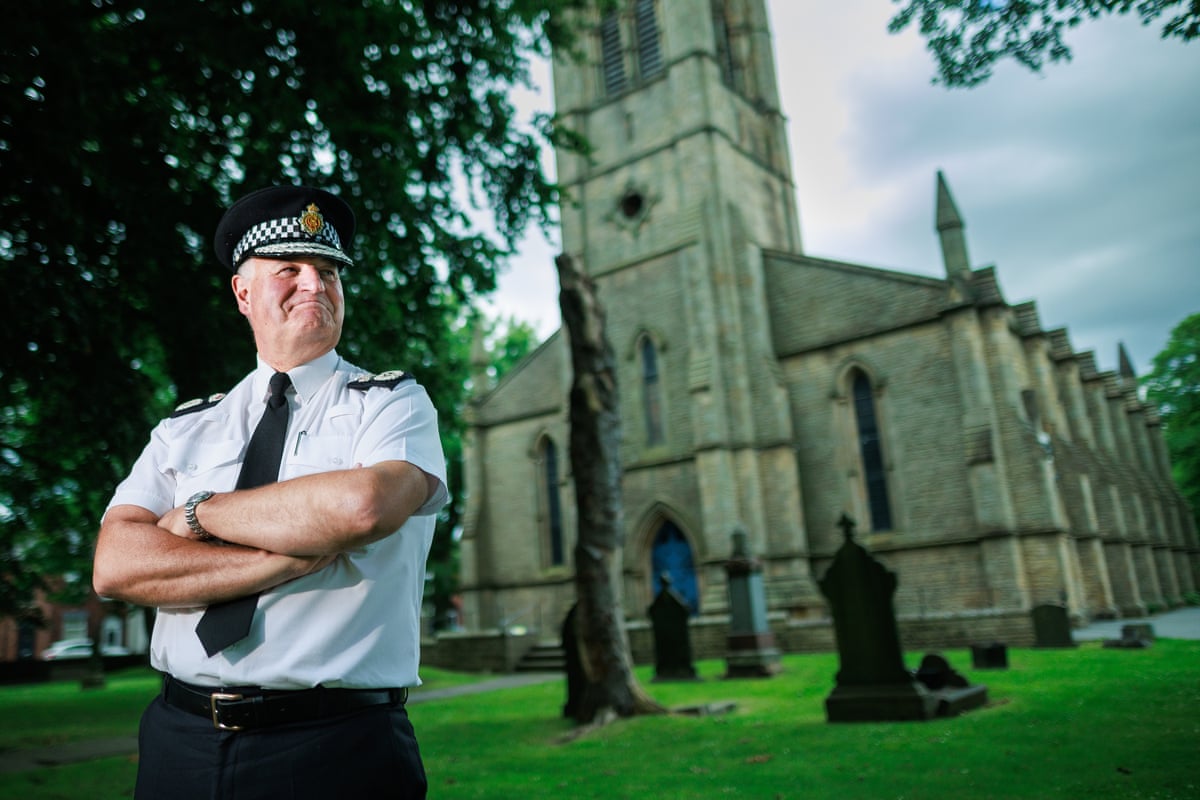
Police leadership argues the current structure is inefficient. Stephen Watson, Greater Manchester Police Chief Constable, said that failing to reform policing would amount to
"decline by design"and that the case for change was
"essential and unanswerable"."He highlighted the duplication inherent in the existing model:
"It's an incontrovertible fact that we have, tied up in the 43-force model, 43 headquarters, 43 chiefs, 43 deputies, 43 IT directors, 43 HR directors, 43 procurement specialists, 43 different IT systems."Watson added that
"if any commercial entity were to be set up in the style of British policing, they would not remain solvent for very long at all."
Senior police sources indicate that the Treasury will not provide additional funding for law enforcement, with the expectation that restructuring will eventually free hundreds of millions of pounds for frontline officers and modernisation of outdated technology.
How would mayors prefer police forces to be organised?
Many English mayors believe police forces should align with mayoral boundaries to enable greater democratic oversight, rather than creating "super-forces" spanning major cities alongside vast rural areas. Sadiq Khan, London's mayor, is understood to be concerned that radical changes could damage accountability and neighbourhood policing. The Metropolitan Police, which already covers almost all of London, could absorb the small City of London Police force, which serves the square mile.
One unnamed mayor suggested the Prime Minister would likely settle on aligning police forces with mayoral regions, reducing the total number by approximately half—still roughly twice as many as Rowley and other police chiefs propose. This mayor stated:
"There is going to be significant reform but the solution is going to be somewhere in the middle. That's where I feel Andy is: take a path which gives mayors continuous boundaries and gives them oversight of chief constables because that's a sensible thing that's worked. Andy's seen that in Manchester and I don't think he's minded to throw that out."
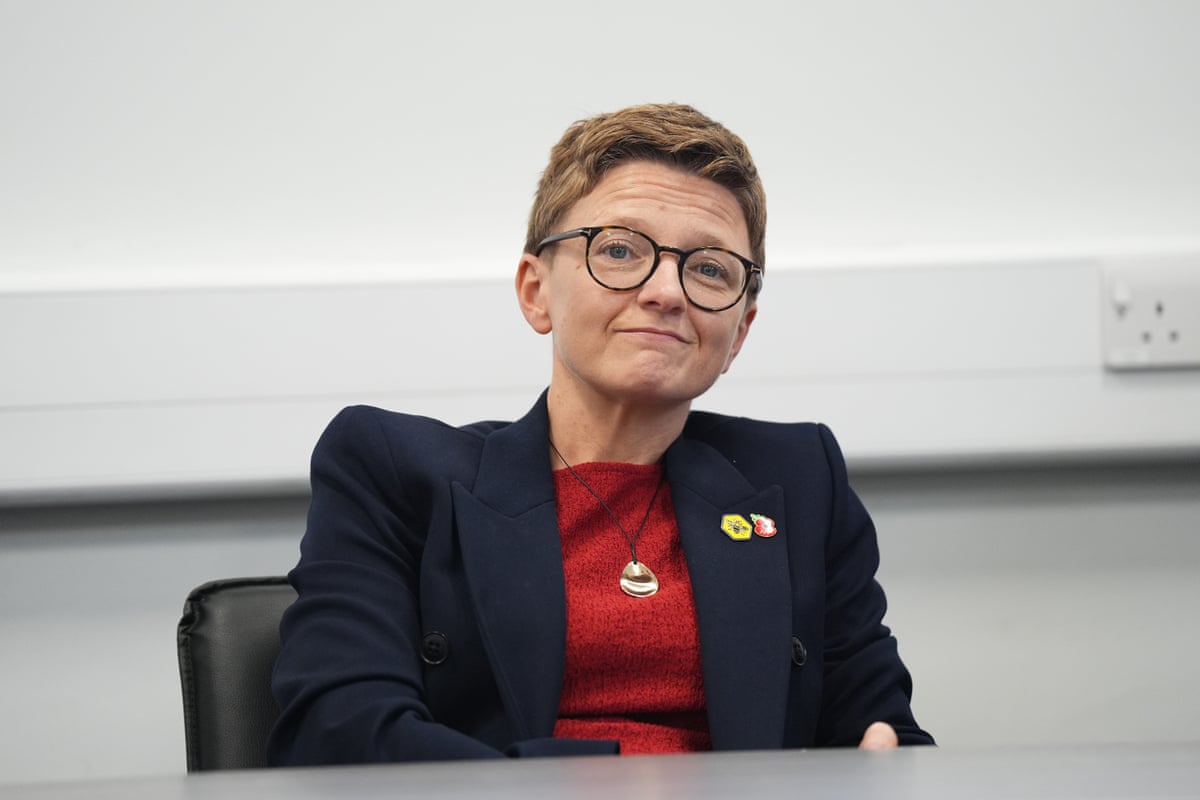
Bev Craig, Greater Manchester's mayor, said on Friday she would urge the government to reject the most radical elements of Rowley's plan.
"We've proven what can happen when local accountability, at a geographic level that makes sense, works."
What are the specific concerns about the merger proposals?
David Skaith, mayor of York and North Yorkshire, described the proposals as a
"real threat"to local policing and said he would
"not be lectured"by Rowley on law enforcement standards. He pointed out that
"Let's not sit here and say the Met has a fantastic track record. It certainly does not."Skaith also warned that rural villages could become crime "hotspots" if resources shifted toward urban areas.
Kim McGuinness, North East England's mayor, emphasised that
"A locally accountable police force is the cornerstone of the criminal justice system, and we have to be very careful about undoing a model which has underpinned successful British policing for generations."She added:
"What we definitely do not need is the head of London's very troubled police force coming north and telling us how policing should work. The Met is not in a position to preach to northern police forces."McGuinness stressed that local accountability requires local targets, local budget control and a chief constable answerable to residents.
Opposition to large-scale mergers extends beyond individual mayors. Five police and crime commissioners from North Wales, Cheshire, Cumbria, Lancashire and Merseyside jointly opposed large-scale mergers, warning they could divert resources from frontline policing and cost hundreds of millions of pounds.
What is the police leadership's counter-argument?
Rowley, speaking at an event in Manchester, contended that policing would fail without radical change and maintained that reforms would strengthen rather than weaken local policing. He stated:
"We cannot ask local officers to confront international criminal networks without the strength of a wider service behind them. This is not a choice between neighbourhood policing and specialist capability. Strong local policing needs both. Reform must deliver both."
What happens next?
The independent review is scheduled to report in summer 2026, and is expected to recommend how to reorganise forces and identify possible early mergers. The government's wider reform blueprint also proposes a National Police Service to handle the most serious and complex crimes. The outcome will likely reflect negotiations between police leadership seeking efficiency gains and mayors seeking to preserve local democratic control over policing.