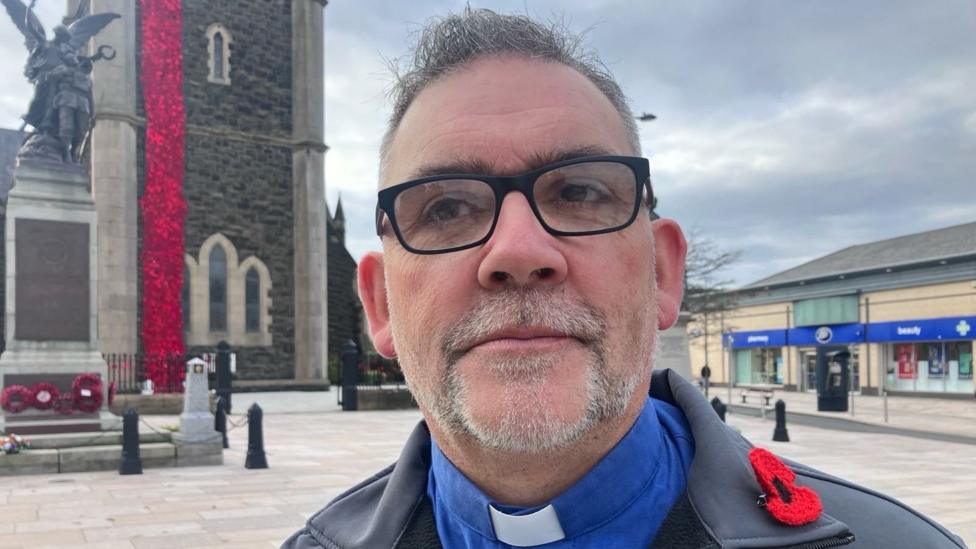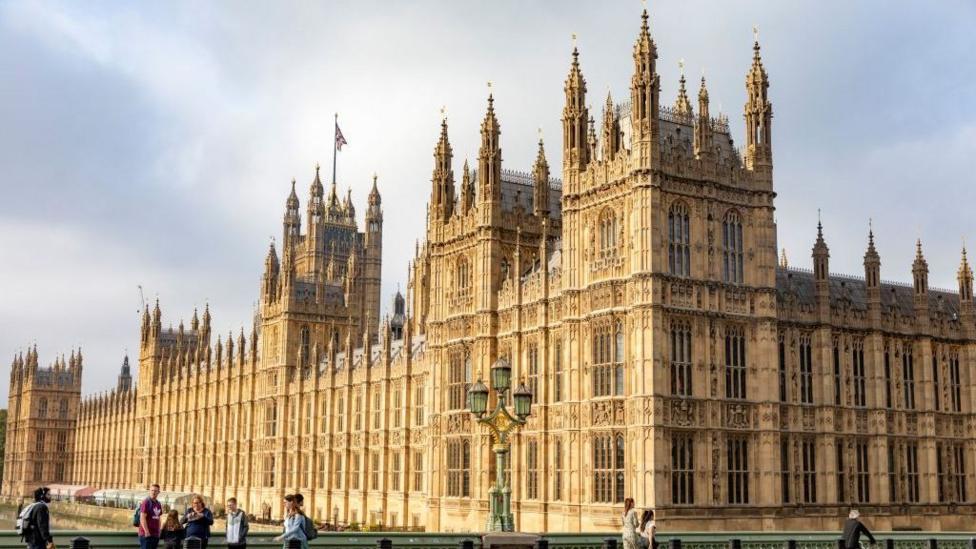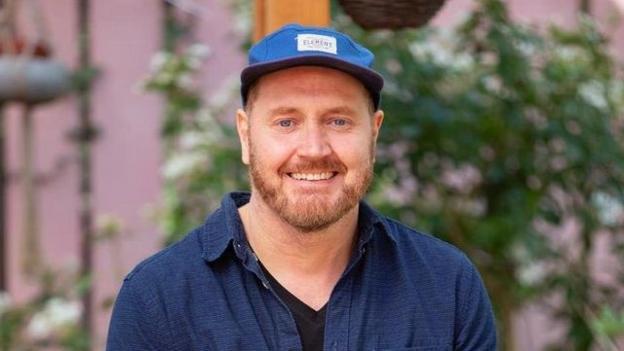
A man who underwent exorcisms and intensive religious counselling to suppress his homosexuality has told Parliament that conversion practices left him suicidal and caused a decade of psychological trauma. Ian Smith, 56, gave evidence to the Joint Committee scrutinising the Draft Conversion Practices Bill on 2 November 2026, joining three-quarters of conversion practice victims in calling for a comprehensive legal ban. According to BBC News, Smith's testimony highlighted how existing law in England and Wales fails to protect people from psychological harm inflicted through prayer, counselling and group sessions designed to change sexual orientation.
The current legal framework only prohibits conversion practices involving physical violence, threats or injury—leaving most of what Smith endured unprotected. The proposed legislation includes three offences, including carrying out abusive conversion practices that cause serious harm, and provides for civil protection orders, representing a significant expansion of legal protection.
What happened to Ian Smith?
Smith grew up in a working-class environment in northern England where homosexuality was stigmatised. He attended a Church of England school and struggled with his sexuality and sense of gender identity. When he moved from Lancashire to Newport to study film at university, he felt deeply insecure. After meeting a born-again Christian, he converted to Christianity, believing that faith could help him become the person he thought God wanted him to be.
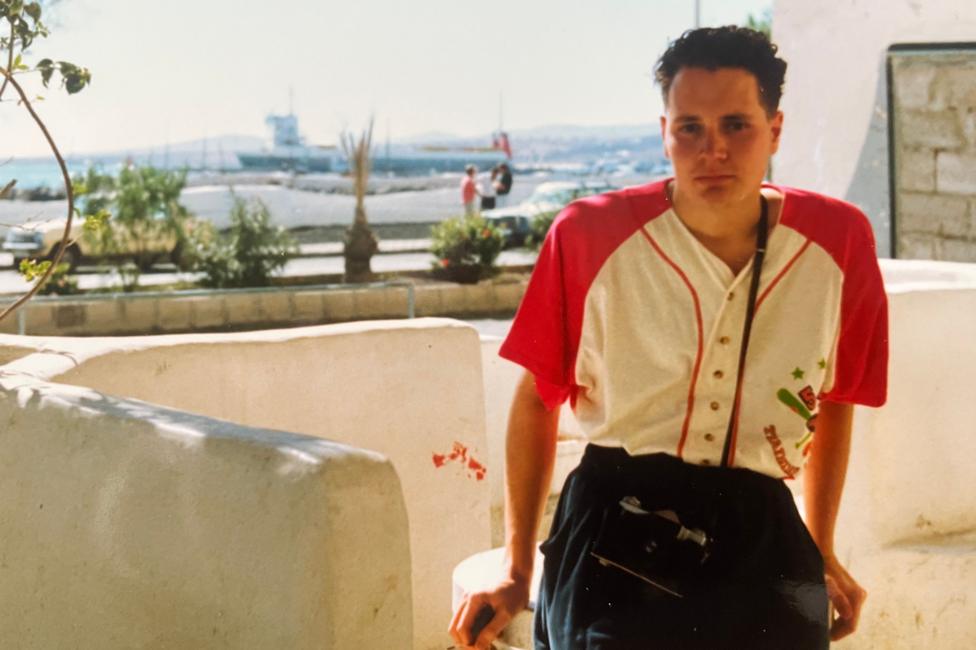
Between 1987 and 1997, Smith participated in conversion practices across a network of churches, counsellors and support groups operating in Wales and Bristol. At one session when he was approximately 20 years old, he disclosed his attraction to men and asked for help. Women were asked to leave the room, and about 10 men surrounded him.
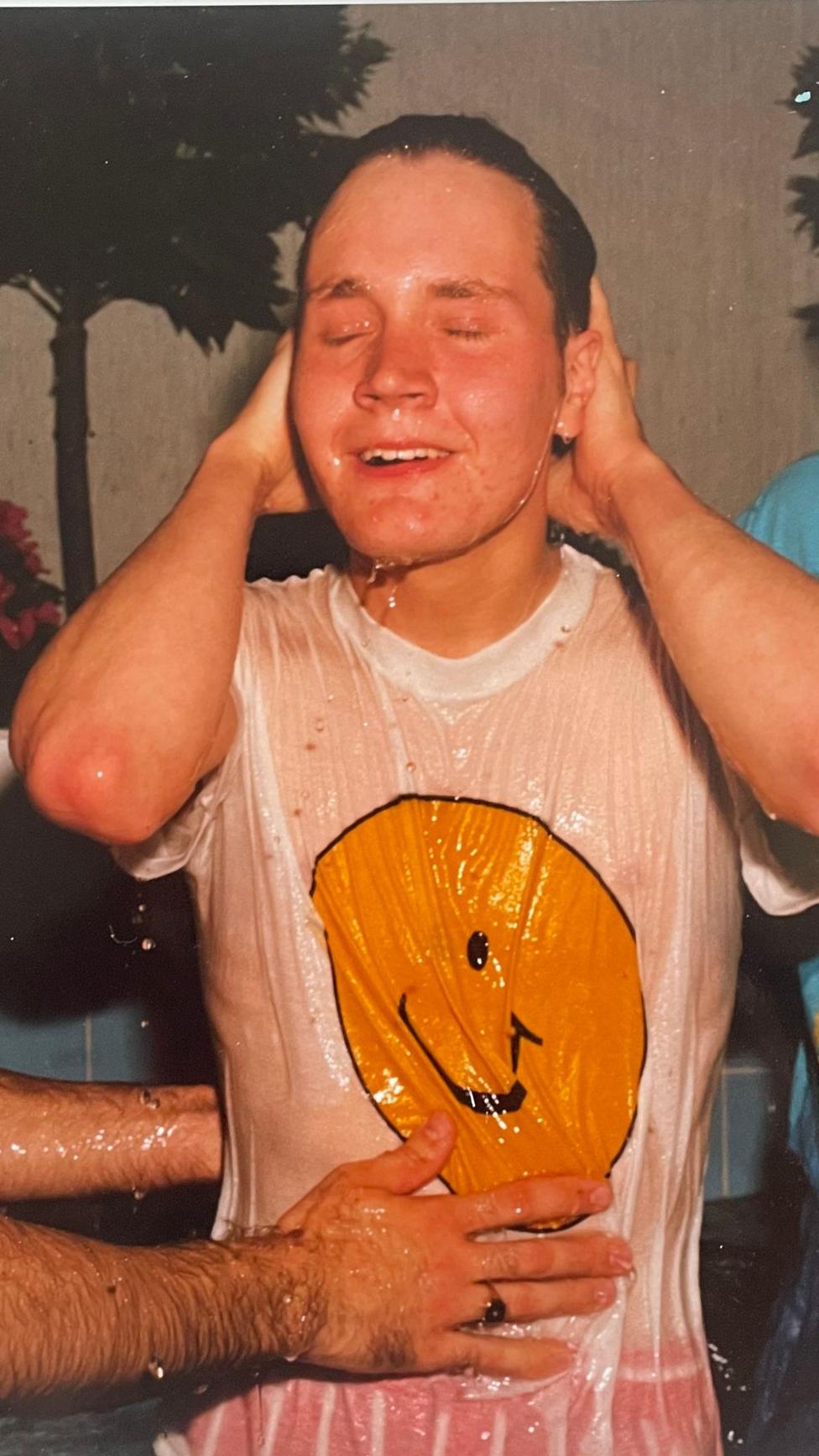
Smith recalled:
They laid hands on me, spoke in tongues and shouted at the demons they believed were inside me. This went on for more than two hours.The experience caused lasting psychological damage—for months afterwards, he would wake up screaming in the night.
Beyond exorcisms, Smith saw Christian counsellors and attended peer-support groups that taught him that if he could not change his sexuality, he must remain celibate and deny it entirely. He was told that his relationship with his father had caused his homosexuality and that a stronger relationship with God could reverse it.
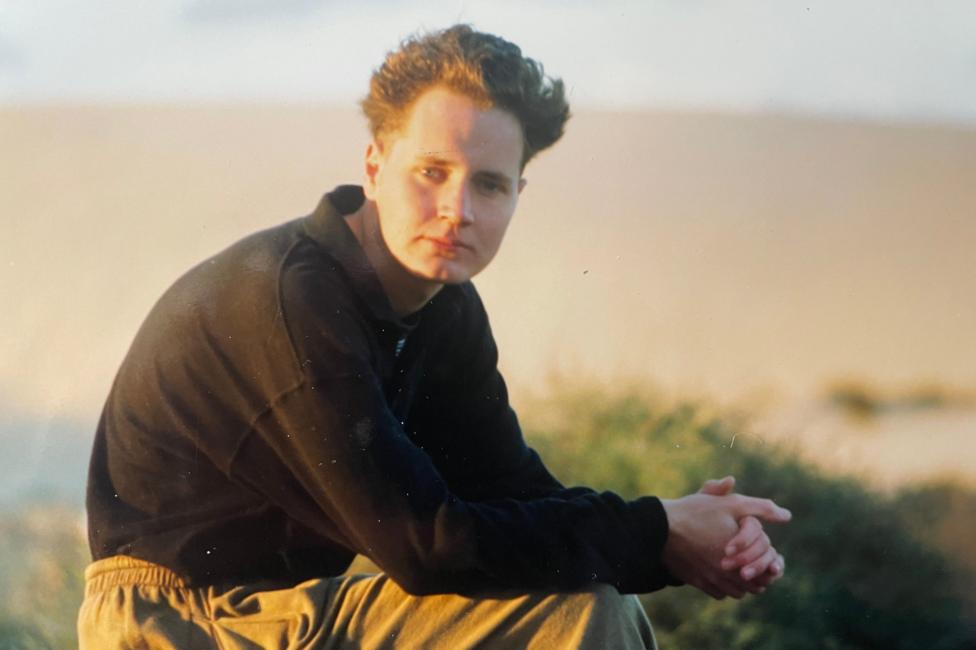
Smith described his emotional state during this period:
I was miserable. I was trying to change something fundamental about myself while believing that failure would be evidence of a personal or spiritual failing.When the practices failed to change his orientation, he was blamed. Religious leaders told him he had not prayed enough or was not sufficiently close to God.
No-one considered that the attempts to 'cure' me might be causing the harm,he said.
In his diary at the time, Smith wrote:
The past is to be forgotten, the present tolerated and the future feared.The cumulative psychological toll eventually became unbearable. Smith attempted suicide and was admitted to a psychiatric unit, where a psychiatrist on duty delivered a transformative message: there was nothing wrong with being gay.
After years of prayer, exorcisms, therapy and attempts to change, a single sentence offered something I had rarely been able to accept - perhaps I wasn't the problem,Smith told the committee.
I spent so much time in these institutions that I didn't know who I was. And if it wasn't for that psychiatrist with those simple words, I probably wouldn't be here.
Why does the current law fail to protect people?
Existing legislation in England and Wales does not criminalise conversion practices unless they involve physical violence, threats or injury. Most of what Smith endured—prayer sessions, counselling, and group interventions aimed at changing or suppressing his sexuality—falls outside this definition, even though it caused severe psychological harm.
Smith explained his willingness to participate did not diminish the harm:
I actively sought them out because I believed they could help me become the person I thought I ought to be. My willingness to participate did not make them harmless. Beyond individual cases, a ban sends a clear message to institutions and society - attempting to change or suppress someone's sexual orientation is unacceptable.
Nathan Stilwell from Humanists UK emphasised the cumulative nature of the damage:
Ian was subjected to exorcisms because he was gay and was brought to the brink of losing his life. Yet most of what he endured would still not clearly be illegal today. That is why this law matters. Freedom of religion or belief is vital, and people must remain free to pray and to seek open, exploratory support. But it has never meant freedom to harm.
What is the proposed legislation?
The government published the draft bill in June 2026 for pre-legislative scrutiny, with proposed offences including encouraging or assisting abusive practices carried out abroad. The legislation represents a comprehensive approach to closing legal loopholes that currently allow psychological harm to continue unchecked.
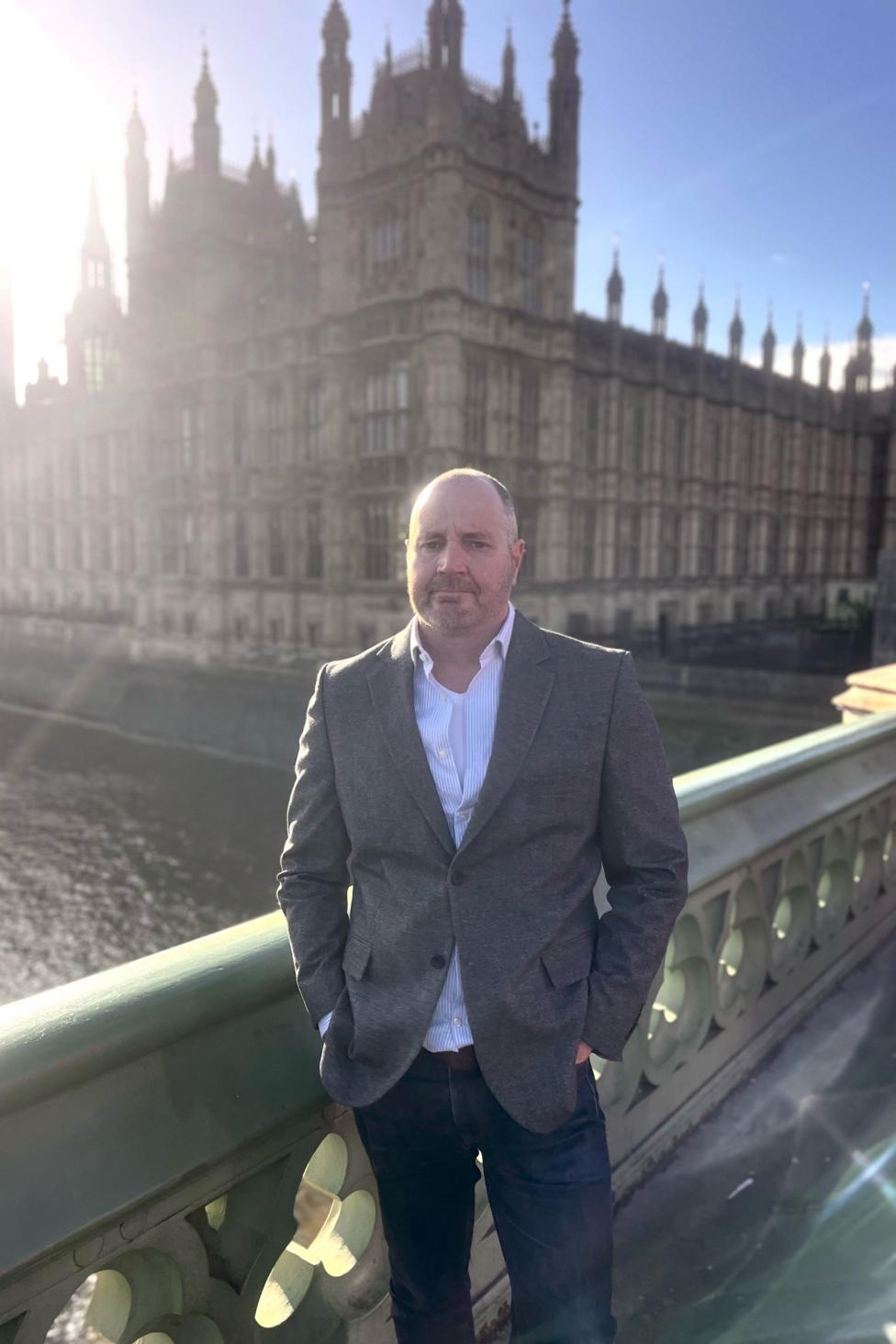
Smith's testimony forms part of the parliamentary scrutiny process. According to research from the evidence session, 75% of conversion practice victims support a legal ban, reflecting broad consensus among those with lived experience of these practices.
What is Smith doing now?
After leaving Christianity, Smith gradually rebuilt his life. He trained as a counsellor and now runs Helpu, a men's mental health initiative in Wales dedicated to reducing male suicide. His work reflects his determination to transform his trauma into support for others facing similar struggles.
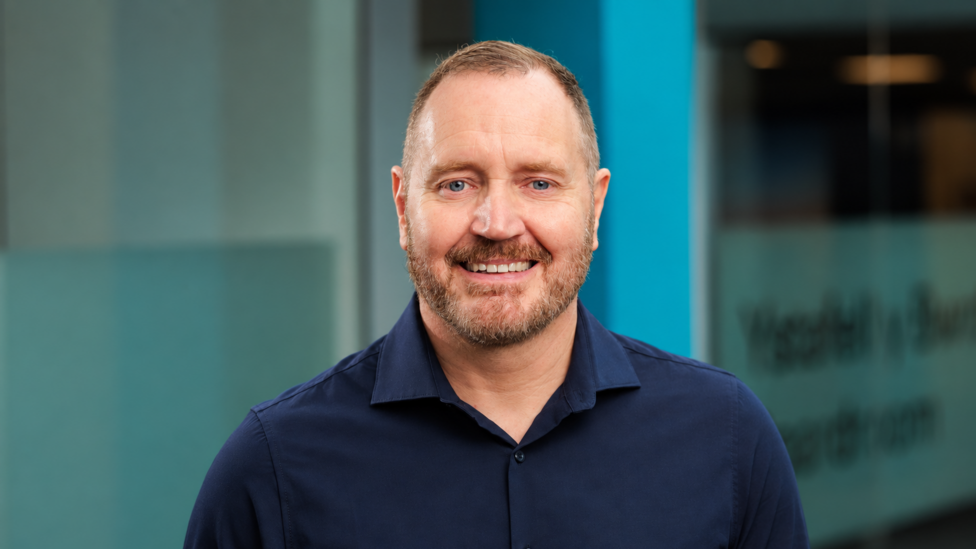
Smith reflected on his survival:
I have never forgotten how close I came to losing my life while trying to become someone I wasn't.It was only five years ago, while watching the Netflix documentary Pray Away, that he recognised himself as a victim of conversion practices. The film featured Exodus International, a prominent US Christian organisation that claimed to eliminate same-sex attraction through prayer. Smith noted that Exodus International
funded organisations and church institutions in the UKbefore it shut down in 2013 after California made conversion practices against minors illegal.
Smith emphasised that the institutions involved in his abuse still operate today, underscoring the urgency of legislative action.
What happens next?
The Joint Committee is scheduled to hear further oral evidence on 12 November 2026, with written evidence due by 5pm on 16 November 2026. The committee must complete its report by 22 January 2027, setting the timeline for parliamentary consideration of the legislation.
Smith's testimony, delivered alongside Deputy Jayne Ozanne, represents a critical voice in the legislative process. His account demonstrates both the severe psychological consequences of conversion practices and the inadequacy of current legal protections, making a compelling case for the comprehensive ban that survivors are demanding.