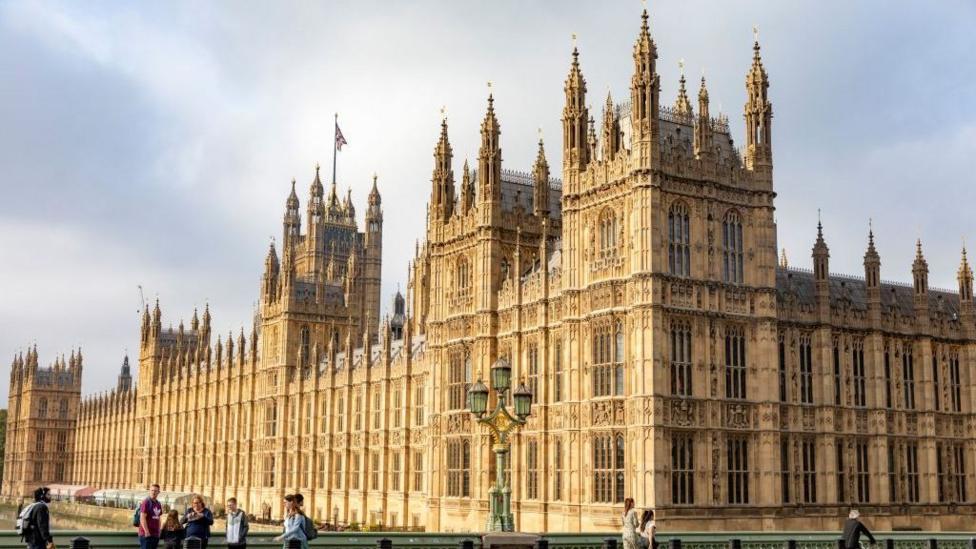
The Speaker of the House of Commons has expressed frustration with the glacial pace of restoration work at the Palace of Westminster, warning that current procedures are hampering essential repairs to the crumbling Victorian building. According to BBC News, Sir Lindsay Hoyle told the broadcaster that the approval process for major renovations amounted to "putting ourselves in handcuffs", with excessive time spent on surveys rather than actual repairs.
The Commons public accounts committee this week warned it was "crunch time" for the Palace's restoration programme, which could cost up to £40bn and take 61 years to complete. The committee cautioned that every additional year of delay costs taxpayers £420m, while its chairman raised alarm about the building's vulnerability to a catastrophic fire similar to the Notre Dame blaze.
Why is the Speaker frustrated with current procedures?
Sir Lindsay's primary complaint centres on legislation that prevents major renovations from beginning until Parliament has approved the entire project's scope and funding.
"It's very frustrating when the Act of Parliament prevents you carrying out the major repairs that you need to. Talk about putting ourselves in handcuffs."He told BBC Radio 4's The Week in Westminster that the current approach wastes resources on surveys when the focus should be on repairing damaged areas.
"We spend more time doing surveys. Instead of doing surveys, why don't we start repairing the building?"the Speaker said. He emphasised that renovation and repair of problem areas must become the priority.
What fire safety concerns exist?
Sir Lindsay also questioned why a fire-suppressing mist system had not been installed throughout the building, despite his repeated calls for it over years.
"The major part and the most historic parts of the building haven't got it, and that's what we need."The Palace's infrastructure poses significant risks: much of the 19th-century building's network of wires and pipes dates back to the 1940s, with some elements from the Victorian era itself. Fire safety issues and high levels of asbestos have been identified as major hazards.
What are the cost implications of further delays?
The financial stakes of postponement are substantial. According to the Public Accounts Committee, delaying the parliamentary vote until the end of 2026 rather than the originally expected pre-Easter timeframe could cost up to £290m in additional expenses. The National Audit Office's 2026 update indicates that maintenance costs have risen to £2m per week, up from £1.5m weekly, as the building's condition deteriorates.
The maintenance burden reflects the urgency of action. The NAO has reported that each year of delay could add between £320m and £420m to the overall programme cost, making swift decision-making economically critical.
What restoration options are being considered?
Four options remain under consideration, though the Restoration and Renewal Client Board recommended in February 2026 that these be narrowed to two. One proposed option would see MPs and peers vacate the site for up to 24 years from 2032, costing between £11.1bn and £15.6bn. Another involves moving only the House of Lords out of the building, costing between £19.5bn and £39.2bn and taking 38 to 61 years to complete.
A critical first phase of up to £3bn in initial works has been proposed, with a final decision on the restoration model expected no later than 2030. The committee has identified temporary accommodation for MPs and peers as a significant schedule risk, with confirmed locations for relocation still uncertain.
When will Parliament vote on the way forward?
The BBC understands government whips have discussed holding a debate and vote by the new year, though no date has been formally scheduled. When asked about reports that Parliament might vote before the end of 2026, Sir Lindsay said the timing was a matter for government business managers.
"Who knows when it's going to come forward? Let's see what the House decides,"he said.
Parliament is being asked to approve the seven-year, £3bn phase-one package and reduce the options under consideration from four to two. The earliest proposed start date for moving both Houses out under a full decant scenario is 2032.
How is the building's condition being managed currently?
The chairman of the body in charge of refurbishing Parliament defended the potential costs earlier this year, telling the BBC:
"We're already spending £150m a year trying to keep the thing standing."This substantial annual expenditure underscores the deteriorating state of the Palace and the mounting pressure to begin comprehensive restoration work.