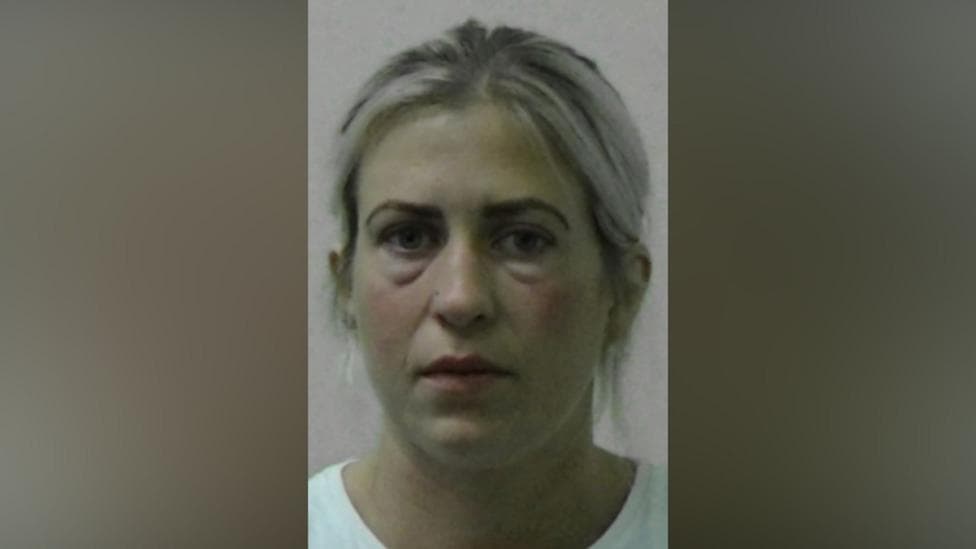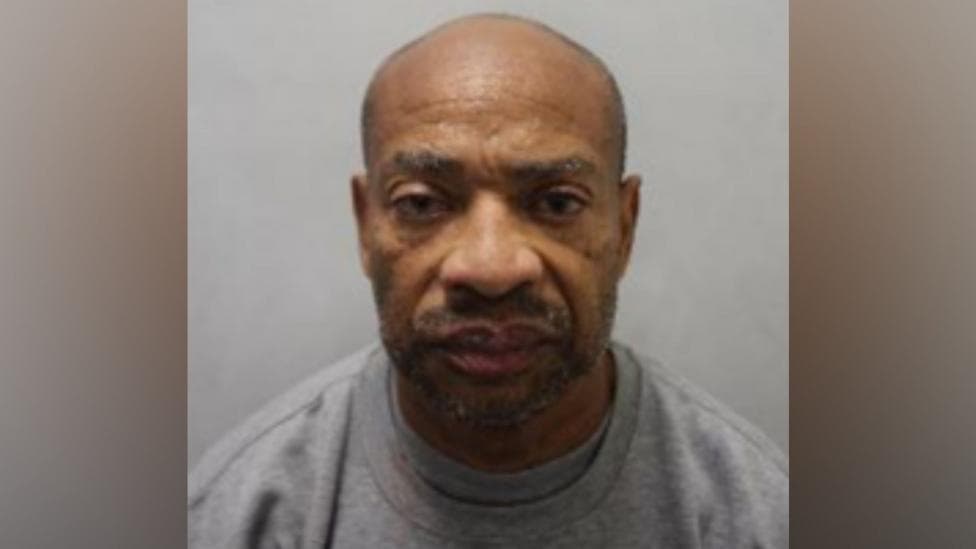
Robert Sabat, 60, was released from prison on 17 October 2025 after serving just 40% of a 12-month sentence for knife possession and harassment. Two days later, he stabbed his former partner Dickiesha Nurse, a 42-year-old mother of two, at her flat in Tulse Hill, south London. He pleaded guilty to her murder at the Old Bailey and was sentenced to life imprisonment with a minimum term of 17 years.
The case highlights the consequences of Sabat's release under a government policy that had lowered the automatic release threshold from 50% to 40% of sentences. When arrested on suspicion of Nurse's murder, Sabat told police he had killed before and intended to harm others.
"I'm a murderer, I don't want to come back out, I wanna go to jail... I've been let out a week. Let me back... I'm happy in there, I've done wrong. I killed before and got away with it. I've murdered three people so far. I'm gonna go on a murder spree."
Sabat had been held on remand since May 2025 before being sentenced on 16 October 2025 and released the following day. His release came under a temporary policy change that began in September 2025, which reduced the proportion of sentences prisoners must serve before automatic release. The Sentencing Act 2026 later replaced this arrangement, introducing a new model where eligible prisoners can be released after serving one third of their sentence, with implementation phased across multiple tranches beginning on 1 October 2026.
How did the killing unfold?
Prosecutor Catherine Farrelly KC told the court that Sabat and Nurse had been in a relationship and had known each other for many years, as Sabat had been raised by Nurse's father. Two days after his release, Nurse's children visited her home and reported to their father that a "friend or cousin" had been there.
On 22 October, Nurse informed a neighbour that Sabat was at her address and would not leave. Another neighbour witnessed her in the street shouting:
"Get out of my house."Two days later, a neighbour heard a single scream from the victim's flat.
Nurse was last captured on CCTV on 25 October. When her children attempted to visit the following day, they received no response at the door. Her family raised concerns on 27 October, and when paramedics entered the flat, Sabat—armed with a knife—charged at one of them. The ambulance crew and family members withdrew, and police were called.
Armed officers forced entry and used Tasers to detain Sabat. Officers discovered Nurse on a bed with a pillow covering her face and multiple stab wounds. A post-mortem examination revealed approximately eight stab wounds, including injuries to the left side of her face, neck and hands. She was pronounced dead at the scene.
Police recovered a knife bearing Nurse's blood, a bag marked "HMP valuables" and prison records in Sabat's name from the flat.
What was Sabat's criminal history?
Farrelly outlined that Sabat held convictions dating back to 1987 for burglary, assault, wounding with intent, knife possession and harassment of a former partner. In 2013, he was made subject to a non-molestation order against a former partner. In August 2023, he received a restraining order after being acquitted of attempted murder when the complainant—his landlady—failed to attend court.
What mitigating factors were presented?
In mitigation, defence counsel Alisdair Williamson KC argued that Sabat had lived "on the margins" with repeated periods of incarceration and had struggled with mental health issues, depression and anxiety. However, these factors did not prevent the court from imposing a life sentence.
How did the victim's family respond?
In a victim impact statement, Nurse's sister Samantha Carvalho described Sabat as a "menace to society" and said the "heartlessness" of the killing was "impossible to comprehend". Her mother Claudette McBean remembered her daughter as kind, loving and the "life and soul of the party".
What are the implications of the sentencing policy?
Sabat's release under the 40% threshold raised questions about prisoner release mechanisms. The government's new release model generally moves automatic release for eligible standard determinate sentences from 40% or 50% of the term to one third, with the rollout phased across ten tranches. The next scheduled tranche for eligible prisoners already serving sentences is 13 October 2026.
Key Facts
- Robert Sabat was released on 17 October 2025 after serving 40% of a 12-month sentence for knife possession and harassment, and killed Dickiesha Nurse two days later.
- Nurse sustained approximately eight stab wounds to her face, neck and hands; she was found on a bed with a pillow over her face.
- Sabat told police he had committed previous murders and intended to "go on a murder spree", though no evidence of prior killings was presented in court.
- Sabat was sentenced to life imprisonment with a minimum term of 17 years and has convictions dating back to 1987 for violent and weapons offences.
- His release occurred under a temporary policy allowing 40% release; the Sentencing Act 2026 has since introduced a one-third release threshold with phased implementation beginning 1 October 2026.